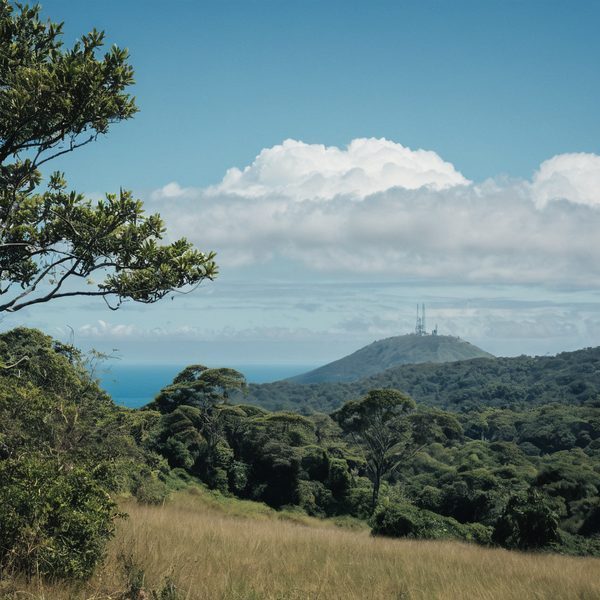
PALAU — A new security report and a historic diplomatic visit have cast fresh scrutiny on the growing presence of U.S. military forces in Palau, with environmental and sovereignty concerns coming into sharper focus days after President Surangel Whipps Jr. made the Pacific nation’s first State visit to New Zealand.
The Micronesia Security Outlook 2025, published by the Guam-based Pacific Centre for Island Security, says safeguards written into agreements between the United States and Palau meant to protect the island nation’s environment and autonomy are being undermined by an accelerated military buildup. Jodean Remengesau, director of the Bureau of Agriculture in Palau’s Ministry of Agriculture, Fisheries and the Environment and the author of the Palau section of the report, argues the U.S. military has “missed and fell short of fulfilling its duties and responsibilities under the compact of the U.S with Palau.”
The report highlights a high-profile case in Angaur, one of Palau’s 16 states, where it says U.S. forces cleared land for a tactical mobile over-the-horizon radar site without obtaining an environmental earthmoving permit or consulting local communities as required by Palauan law. Remengesau details how piles of shredded tree debris left at the site created a risk of infestation by the invasive coconut rhinoceros beetle and were subsequently dumped on residents’ yards in a rushed effort to manage the problem — actions the report says were precisely the kinds of harms the compact’s environmental protections were designed to prevent.
The environmental dispute has already produced legal action. In 2023, Angaur Governor Steven Salii sued Palau’s central government, the Palau Environmental Quality Protection Board, the U.S. government and its military contractors, alleging violations of Palauan environmental laws and compact agreements after 271,807 square metres of land were cleared without a required environmental impact assessment and permits. The lawsuit and the report both underscore growing local dissatisfaction with how military projects are being planned and implemented.
The tensions come amid a significant deepening of U.S.-Palau ties negotiated under a renegotiated Compact of Free Association. Under the deal, the United States pledged an US$890 million economic package to Palau over 20 years, a funding cycle that began on October 1, 2023, and which the report notes has increased Palau’s fiscal reliance on compact funds and foreign aid. The compact also reaffirms U.S. defence obligations to Palau, a factor driving increased U.S. military activity in the islands as U.S.-China strategic competition intensifies in the region.
A focal point of that activity is a US$118 million radar project that the report says is expected to be operational this year. While U.S. officials have framed some infrastructure as jointly beneficial to Palau and U.S. forces, the report contends that consultations and environmental safeguards have been insufficient, fueling local unease about sovereignty and environmental stewardship.
President Whipps’s State visit to New Zealand — the first such visit by a Palauan head of state — coincides with this flurry of attention and may reflect Palau’s efforts to broaden diplomatic engagement as it navigates the trade-offs between security partnerships and domestic concerns. The Micronesia Security Outlook 2025 warns that Palau’s “peace and sovereignty as its people once knew it has been increasingly compromised by accelerated militarization,” and signals that balancing national interests, environmental protection and international security commitments will remain a contentious issue for Palau’s leaders and communities.
Leave a comment