Palau’s growing role as a strategic staging point in the Pacific is under fresh scrutiny after a Guam-based security think tank released a report this week documenting environmental breaches and community exclusion tied to an accelerated U.S. military buildup — news that coincides with Palauan President Surangel Whipps Jr.’s historic first State visit to New Zealand.
The Pacific Centre for Island Security’s Micronesia Security Outlook 2025 — cited in the Pacific Islands media bulletin on April 13, 2026 — devotes a section to Palau authored by Jodean Remengesau, director of the Bureau of Agriculture in Palau’s Ministry of Agriculture, Fisheries and the Environment. Remengesau writes that safeguards embedded in Palau’s Compact of Free Association “are rendered ineffective by the accelerated military buildup,” and that “the U.S military had missed and fell short of fulfilling its duties and responsibilities under the compact of the U.S with Palau.” The report says accelerated militarisation has increasingly compromised the island nation’s peace and sovereignty.
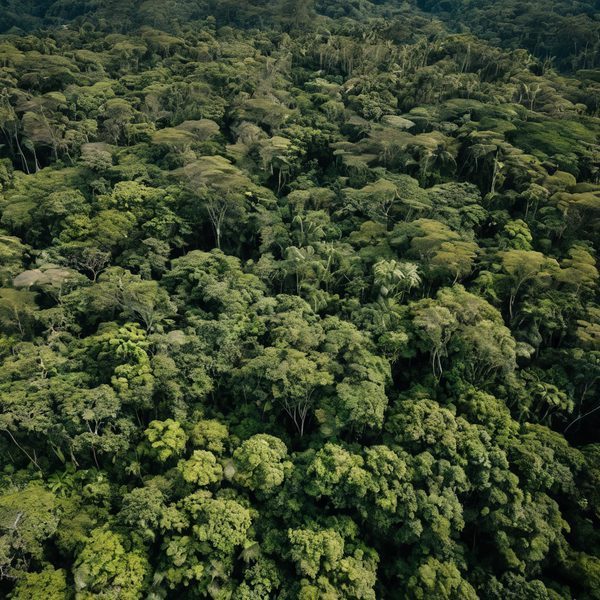
The report names a specific incident in Angaur, one of Palau’s 16 states, where U.S. forces cleared some 271,807 square metres of land for a proposed tactical mobile over‑the‑horizon radar site without securing an environmental earthmoving permit or holding required community consultations under Palauan law. It describes how shredded tree debris from the clearing created conditions inviting an infestation of invasive coconut rhinoceros beetles, and alleges that debris was later dumped on residents’ yards in a “rushed effort” to manage the problem — outcomes the compact’s environmental protections were designed to prevent.
Angaur Governor Steven Salii has been pursuing legal recourse. In 2023 he filed a lawsuit naming Palau’s central government, the Palau Environmental Quality Protection Board, the U.S. government and U.S. military contractors, alleging violations of Palau environmental law and compact obligations over the land clearance and the failure to conduct an environmental impact assessment and obtain permits. The new think‑tank report amplifies those concerns and frames them within broader geopolitical pressures as the U.S. and China contest influence in the region.
The security outlook also notes concrete elements of the U.S. presence in Palau under the renegotiated compact that took effect for funding on October 1, 2023: the United States pledged an US$890‑million aid package to Palau over 20 years and reaffirmed defence responsibilities. The U.S. military’s radar project in Palau — valued at roughly US$118 million — is expected to be operational this year, the report says. What was initially presented to Palauans as a single shoreline radar installation for mutual use later “turned out to be” multiple, separate systems, the report adds, a development it links to the lack of transparency that has fuelled local dissatisfaction.
Palauan officials face a difficult balance between the tangible fiscal benefits of compact funds and rising public concern about environmental standards, consultation and sovereignty. The report concedes Palau’s geopolitical position may increasingly draw the nation into U.S. and international security objectives, especially given the reliance of much of Palau’s national budget on compact funds and foreign aid. For many residents, however, the immediate harms — damaged environments, disrupted livelihoods and a sense of exclusion from decisions about their land — are now driving legal challenges and political debate.
President Whipps’ State visit to New Zealand, described in media releases this week as the first such visit by a Palauan head of state, comes as Palau seeks to broaden diplomatic ties even while managing the strategic and environmental fallout of hosting expanded U.S. military facilities. The new report is likely to intensify regional attention on how compact arrangements are implemented on the ground and whether the environmental and sovereignty “guardrails” promised in agreements are being respected.
Leave a comment