Palau’s head of state made a historic first State visit to New Zealand this week as a new security report raises fresh concerns about the environmental and sovereignty implications of a rapid U.S. military build-up in the Pacific island nation.
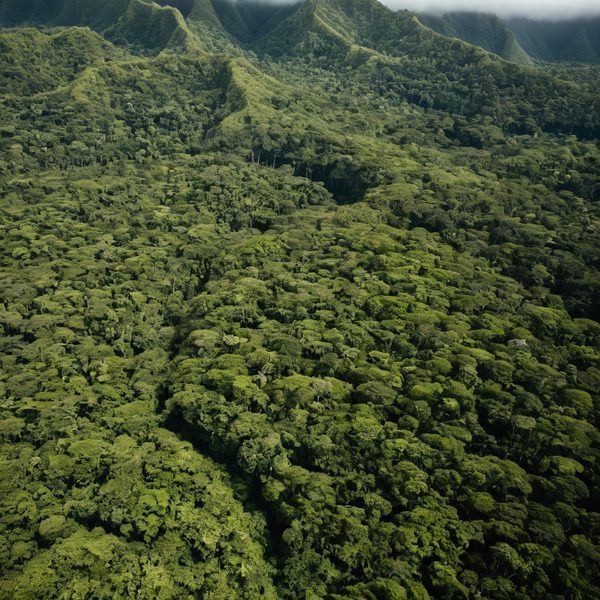
The Guam-based Pacific Centre for Island Security’s Micronesia Security Outlook, with its Palau chapter authored by Jodean Remengesau, says safeguards built into the Compact of Free Association are being undermined by accelerated militarisation. Remengesau, director of the Bureau of Agriculture in Palau’s Ministry of Agriculture, Fisheries and the Environment, argues the U.S. military has failed to meet environmental duties required under the compact and Palauan law. The report cites specific failures, including the clearance of 271,807 square metres of land on Angaur for a tactical mobile over‑the‑horizon radar site without securing an environmental earthmoving permit or conducting community consultations.
Remengesau’s account describes how shredded tree debris from the clearing created conditions inviting infestation by invasive coconut rhinoceros beetles and was subsequently dumped on residents’ yards as an improvised response. Those actions, he says, directly violated the environmental stipulations the compact was intended to enforce. The clearing triggered legal action: in 2023 Angaur Governor Steven Salii sued Palau’s central government, the Palau Environmental Quality Protection Board, the U.S. government and its contractors, alleging breaches of Palauan environmental laws and compact obligations.
The report acknowledges the geopolitical context that is driving increased U.S. activity in Palau — notably space set against U.S.–China strategic competition — and notes the terms of the renegotiated compact that came into force on 1 October 2023. Under that deal the United States pledged an US$890 million assistance package payable over 20 years and remains responsible for the defence of the islands. As part of the security build‑out, the U.S. has committed about US$118 million for a radar project in Palau that is expected to be operational this year.
The Pacific Centre for Island Security also highlights a transparency issue: a shoreline radar system initially presented to Palauans as a single, jointly used infrastructure was later revealed to comprise two separate installations. That revelation feeds the report’s broader contention that decisions on installations and land use have often proceeded with limited local participation and inadequate application of Palauan regulatory processes.
The convergence of the report’s publication and President Surangel Whipps Jr.’s first State visit to New Zealand underscores the diplomatic tightrope Palau faces — balancing large-scale assistance and security guarantees from the United States against growing domestic unease over environmental protection, community consultation and the integrity of national sovereignty. With the radar project nearing operational status and ongoing litigation linked to Angaur’s land clearing, the issues raised by the report are likely to shape Palau’s domestic debate and its regional engagements in the coming months.
Leave a comment