Health
-
Vaping linked to cancer risk in NZ study, prompting calls for stricter regulation and youth protections
New findings suggest vaping may carry a measurable cancer risk, especially when used beyond smoking cessation. Heating vape liquids can generate toxic byproducts like formaldehyde and acrolein. While vaping is likely less harmful than smoking, the exact risk remains unquantified, prompting calls for precaution and tighter controls—especially to curb youth use.
-
Fiji Urges Shift From NCD Awareness to Blood-Pressure Control to Prevent Strokes
In Fiji, awareness is high, but control is the real hurdle in the fight against rising non-communicable diseases. Doctors warn of dangerously high blood pressure and a growing threat of strokes, driven by gaps in long-term management rather than knowledge. The takeaway: turning awareness into sustained, practical care could change the trajectory of NCDs in…
-
Fiji HIV: 68% of New Infections in 15–40-Year-Olds, Health Officials Urge Routine Testing
New health data show HIV infections in Fiji are increasingly occurring among the country’s young and economically active—shaping a critical call for routine testing. With stigma keeping many from seeking care, officials emphasize early diagnosis and accessible treatment as essential steps to curb transmission and protect households.
-
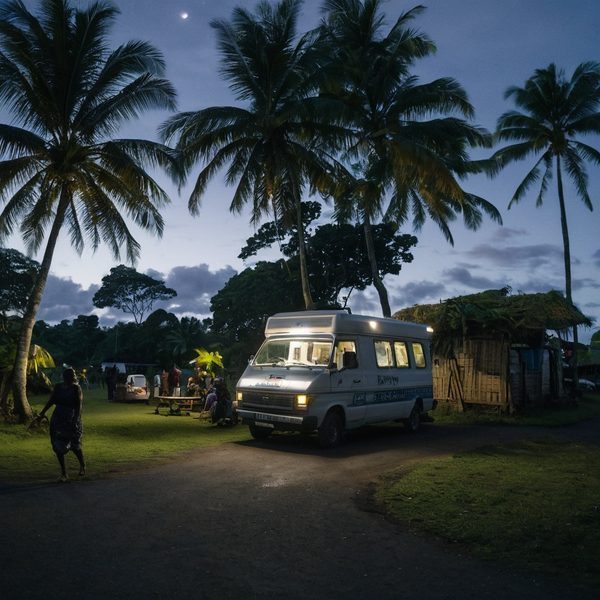
Fiji HIV diagnoses soar 281% as Moonlight mobile clinic targets youth and underserved communities
New data from Fiji show the HIV epidemic intensifying, with infections rising and young people hit hardest. A mobile, peer-led night-clinic outreach is identifying cases conventional clinics miss and guiding people into care, underscoring both the scale of the challenge and the promise of community-driven solutions.
-
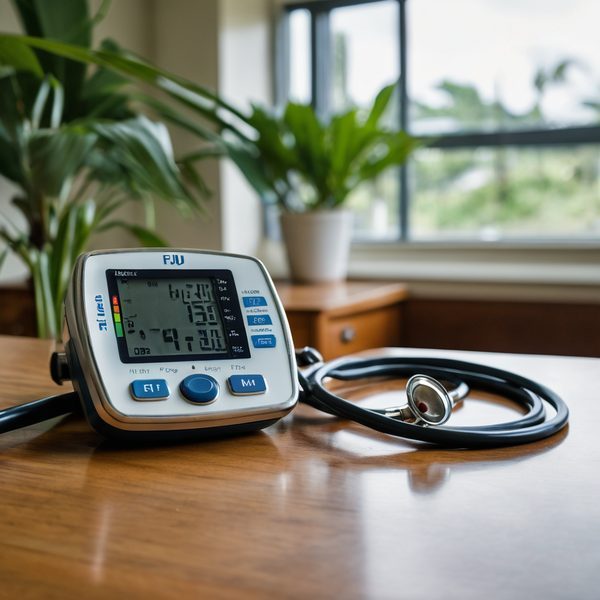
ADB: Fiji’s NCD burden costs $263M annually, eroding productivity and growth
Fiji’s rising burden of non-communicable diseases is quietly undermining productivity and resilience. From diabetes to cardiovascular conditions, the toll on the workforce is prompting urgent questions about health funding and reform. A closer look suggests timely actions to curb risk factors and close critical gaps.
-
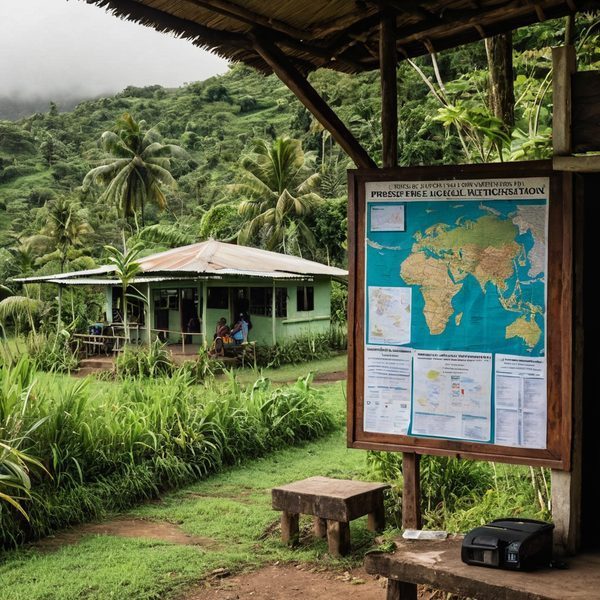
Fiji revamps Community Health Worker training to fight NCDs and strengthen rural primary care
Fiji is updating its Community Health Worker training to boost prevention, early intervention, and stronger community-based care in rural areas. The revamped modules shift frontline work toward keeping people healthy and addressing the rising burden of non-communicable diseases.
-

Fiji Urges Eye Safety for Outdoor Work and Natural-Water Swims to Prevent Infections
Health professionals in Fiji warn that everyday outdoor activities can irritate or injure the eyes, with risk rising from grass-cutting debris and untreated waters. Simple protections—proper eyewear and cautious outdoor habits—could prevent lasting damage. If irritation or pain appears, seek professional care promptly.
-
Fiji braces for rising HIV and TB cases, relies on existing workforce and digital tools for integrated care
Fiji is bracing for a coming surge in HIV and tuberculosis that could stretch the health system across all levels. With the growing caseload, every healthcare worker will play a role, as authorities push for integrated care and new digital tools to keep patients on track through long‑term treatment. A coordinated, system‑wide response is taking…
-
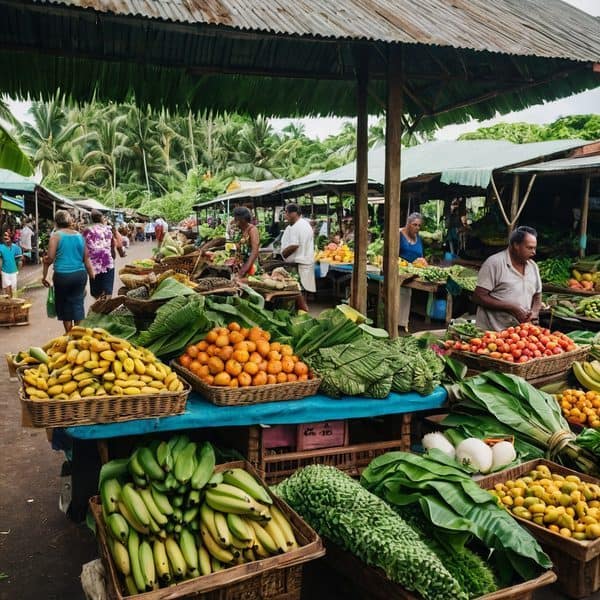
Fiji Moms Turn to Local Markets to Boost Children’s Nutrition
One mother’s simple mission: keep the kitchen stocked with fresh, locally grown produce to help her children grow strong. From greens to seasonal fruit, she champions market purchases over supermarkets, turning daily shopping into a small act of health for her family and community.
-
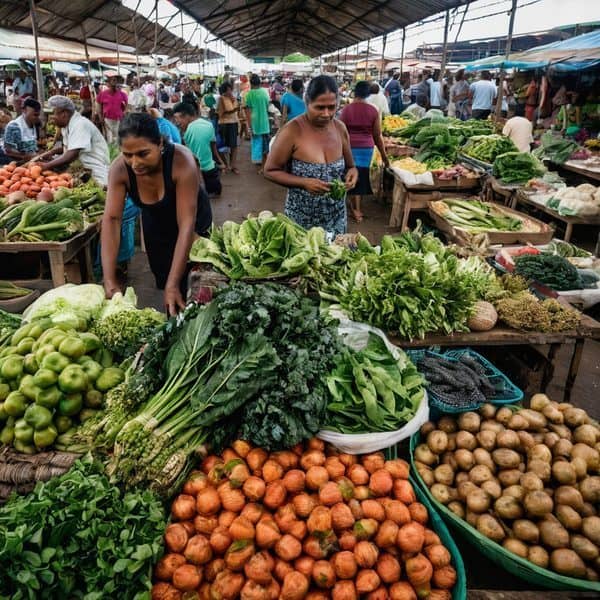
Suva mom feeds family of six on a $200–$250 weekly budget by mixing markets and supermarkets
How do you feed a family of six on a tight weekly budget? A long-time market vendor reveals a practical approach: mix affordable staples with fresh produce, plan meals, and shop smart. The result is nutritious, home-cooked meals that prove healthy eating doesn’t require a large budget.