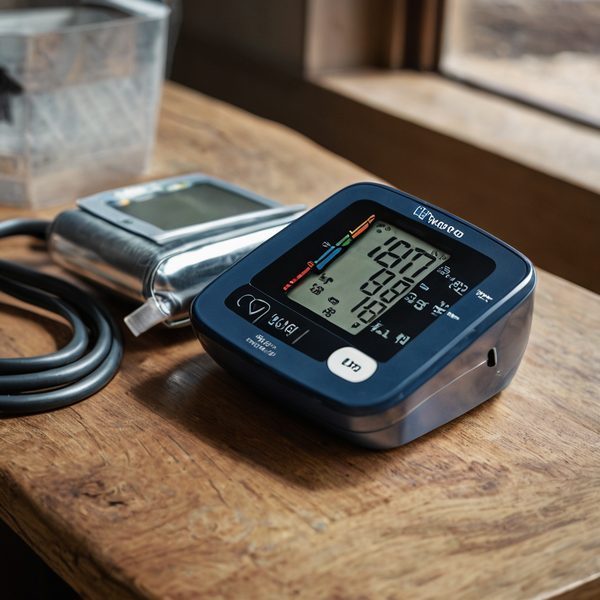
Control, not awareness, is the main obstacle in Fiji’s battle against non-communicable diseases such as hypertension, Macuata sub-divisional medical officer Dr Amoo Bolaji told health workers during a workshop in Labasa, highlighting a worrying rise in dangerously high blood pressure readings across his division. Speaking at the Friendly North Inn, Dr Bolaji said clinicians are now routinely seeing patients with readings of 180, 190 and even above 200 mmHg, and that more than 200 such instances have been recorded recently — a pattern he attributes to poor long-term management rather than lack of knowledge.
“That is the real problem,” Dr Bolaji said, stressing that widespread awareness campaigns have already made people familiar with NCDs and the need for treatment. “People are aware, they have medication, but they are not managing the condition effectively.” He told the workshop audience that this disconnect between awareness and control is translating into acute clinical presentations and increasing pressure on health services in the Friendly North and surrounding areas.
Dr Bolaji warned the practical consequence of failing to improve control: a continuing rise in strokes and heart disease. “Without improved control, cases of stroke and heart disease would continue to rise,” he said, urging a shift in emphasis from publicity to practical management strategies. He framed management as the key element patients and providers can influence: “You cannot change genetics, but you can control the condition.”
The Macuata medical officer’s remarks underline a growing concern among Fiji’s health professionals that prevention messaging alone is insufficient. While public education has raised awareness and many patients are given medication, Dr Bolaji said adherence and follow-up care are falling short, resulting in repeated presentations with hypertensive crises. Readings above 180 mmHg are widely regarded as severe and require urgent intervention to reduce near-term risk of stroke and cardiac events.
The workshop brought together local health workers and, according to Dr Bolaji’s comments, provided a forum to discuss how to translate awareness into sustained control. He emphasised the need for improved clinical management, regular monitoring, and patient support to ensure medications are taken correctly and lifestyle measures are maintained — measures he described as attainable even when genetic risk cannot be modified.
Dr Bolaji’s update adds urgency to national NCD efforts, signalling that beyond campaigning and screening, health services must strengthen systems that support long-term disease control. With more than 200 dangerous blood pressure episodes reported in his area alone, the outlook for reducing NCD-related hospitalisations and deaths will depend on closing gaps in treatment adherence, follow-up care and community-level management before the burden of stroke and heart disease rises further.
Leave a comment