A new report from the Guam-based Pacific Centre for Island Security warns that an accelerated U.S. military buildup in Palau is eroding environmental protections and leaving Palauan communities sidelined, even as Palau’s leader made a historic first State visit to New Zealand this week. The Micronesia Security Outlook 2025, which includes the Palau section authored by Jodean Remengesau of Palau’s Bureau of Agriculture, Fisheries and the Environment, says existing “guardrails” in agreements with Washington are not being enforced as military infrastructure expands.
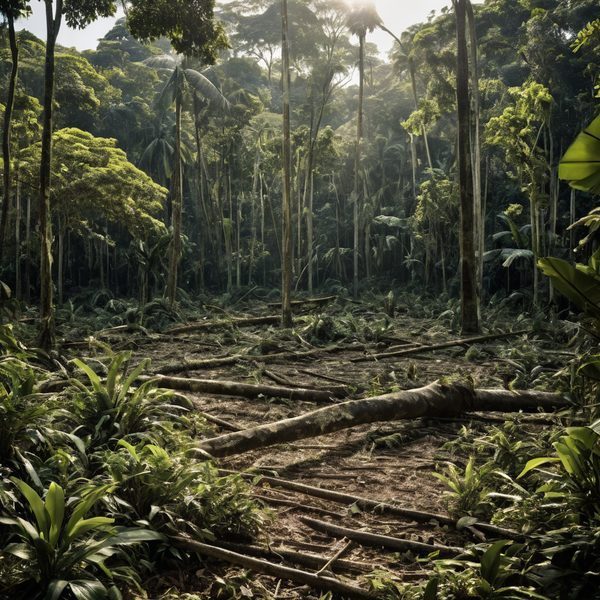
Remengesau’s contribution to the report singles out a high-profile example on Angaur, where he alleges that U.S. forces cleared 271,807 square metres of land for a tactical mobile over-the-horizon radar site without obtaining required Palauan earthmoving permits or carrying out mandated community consultations. The report describes how shredded tree debris from clearing work created conditions ripe for an infestation by the invasive coconut rhinoceros beetle and how, in a rushed response, debris was reportedly dumped on residents’ yards — a sequence of events the report says the compact’s environmental safeguards were meant to prevent.
The Angaur episode has had legal consequences. In 2023 Angaur Governor Steven Salii filed suit against Palau’s central government, the Palau Environmental Quality Protection Board, the U.S. government and its military contractors, alleging breaches of Palauan environmental law and compact obligations over the unpermitted clearing. The Pacific Centre’s report says such incidents have fuelled growing dissatisfaction among Palauans who feel excluded from decisions that reshape their land, waters and airspace.
The report places these local disputes in the wider context of a renegotiated Compact of Free Association that came into effect on October 1, 2023, under which the United States pledged an US$890 million assistance package to Palau over 20 years and retained responsibility for the country’s defence. The centre warns that Palau’s heavy fiscal reliance on compact funds and foreign aid makes the country more likely to accommodate increased U.S. military use of its territory, even as sovereignty and environmental oversight are strained.
Geopolitical tension between Washington and Beijing is cited by the report as a primary driver of recent U.S. activity in Palau. A US$118 million radar project in Palau — described in the report as a shoreline radar tower system that was initially presented as a single mutual-use infrastructure but later revealed to involve multiple installations — is expected to be operational this year, a development the Pacific Centre argues will further entrench military presence.
Palauan President Surangel Whipps Jr’s state visit to New Zealand comes amid this heightened scrutiny. The visit, the first State visit to Wellington by a Palauan head of state, increases the international profile of Palau’s diplomatic outreach at a moment when questions about environmental stewardship, community consultation and the terms of foreign military use are being aired publicly. The Pacific Centre’s authors call for stricter enforcement of environmental requirements in the compact, greater transparency around military projects, and meaningful community consultation before works that alter land and seascapes proceed.
Leave a comment