climate change
-
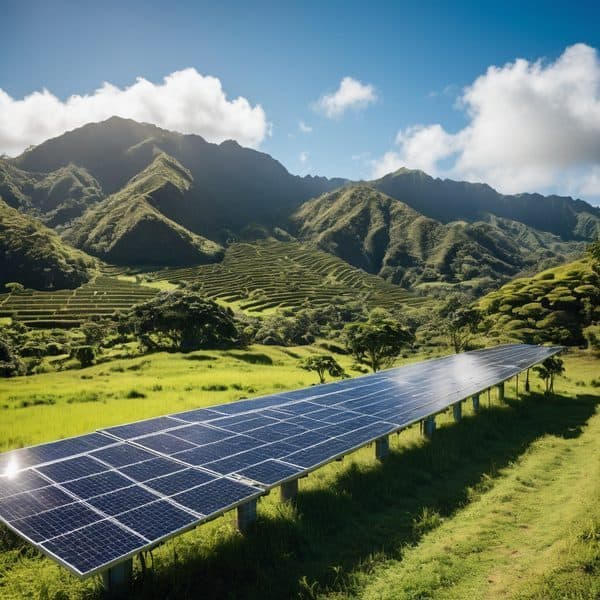
UN Climate Chief Pushes Fast Clean-Energy Rollout as Fossil-Fuel Stagflation Threatens Budgets
Rising fossil-fuel costs and global shocks are described as a new form of stagflation threatening budgets and households. A senior UN climate official argues for moving from negotiations to rapid on-the-ground clean-energy action, backed by trillions already flowing into the real economy to secure energy, economy, and resilience.
-
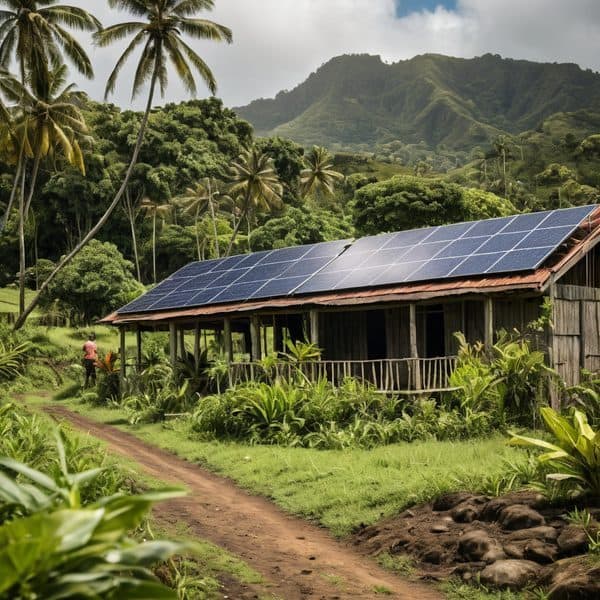
UN climate chief urges immediate clean-energy push as fossil fuel costs strain economies
Fossil-fuel costs are tightening the global economy and hitting vulnerable communities hardest. A top UN climate official says the moment for action is now, urging an immediate shift to clean energy, methane cuts, and stronger resilience. The next steps could redefine energy security and economic stability amid growing climate pressures.
-

UN Climate Chief Urges Immediate Ground-Level Action and Fast Finance Ahead of COP33
Global fossil-fuel shocks are sharpening economic turmoil and forcing a shift from negotiations to real-world action. A top UN climate official warns that fast-tracked finance and on-the-ground clean-energy projects are now essential to protect communities and bend the emissions curve.
-

UN Climate Chief Urges Rapid Clean-Energy Push as Fossil Fuel Costs Surge, Warning Fiji and the Pacific at Risk
Rising fossil fuel costs from ongoing conflict threaten global stability, hitting vulnerable Pacific nations like Fiji. A top UN climate official argues the answer is a rapid shift to clean energy—strengthening security, affordability, and resilience—with methane cuts and on-the-ground projects at the heart of the plan.
-
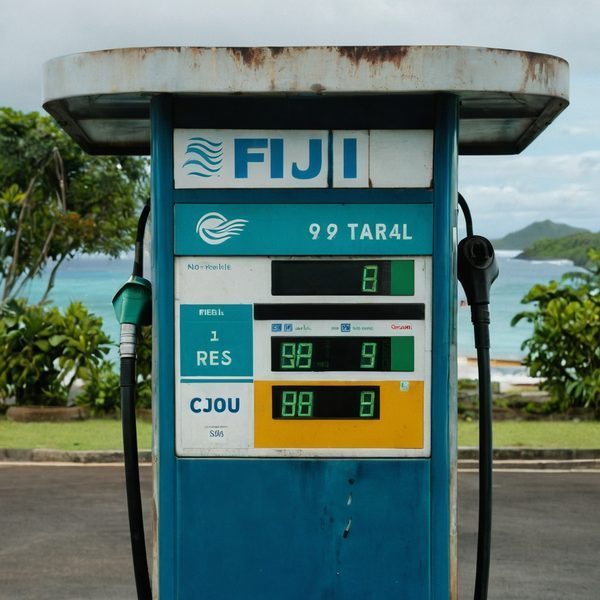
UN Climate Chief Warns Fossil-Fuel Shock Fuels Global Stagflation, Calls for Rapid Action and Finance Ahead of COP33
From Berlin’s Petersberg Dialogue comes a stark warning: volatile fossil-fuel prices are fanning stagflation, tightening policy space, and weighing on budgets worldwide. The remedy? Faster, on-the-ground action—clean energy, resilience, and methane cuts—to restore energy security and climate progress before the next shock.
-
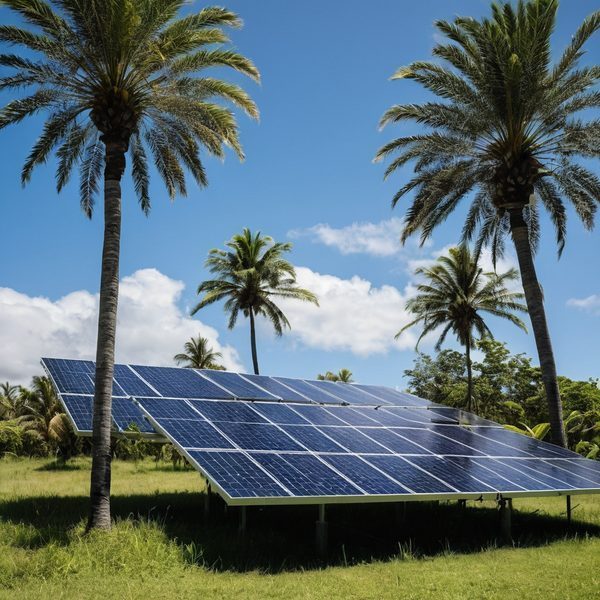
Stiell warns fossil-fuel price surge risks stagflation, urges rapid clean-energy rollout at Petersberg Dialogue
Fossil-fuel prices are fueling global instability, warns a top UN climate official. The call: move from promises to real, on-the-ground clean-energy action—and ramp up funding for those most exposed to climate shocks.
-
UN climate chief warns fossil-fuel price spike could last years, urges rapid clean-energy shift
Rising fossil-fuel costs driven by conflict threaten global economic stability for months—perhaps years, a top UN climate official warns. He says this “fossil-fuel driven stagflation” tightens policy space and underscores the urgency of accelerating the energy transition and ramping up climate finance.
-
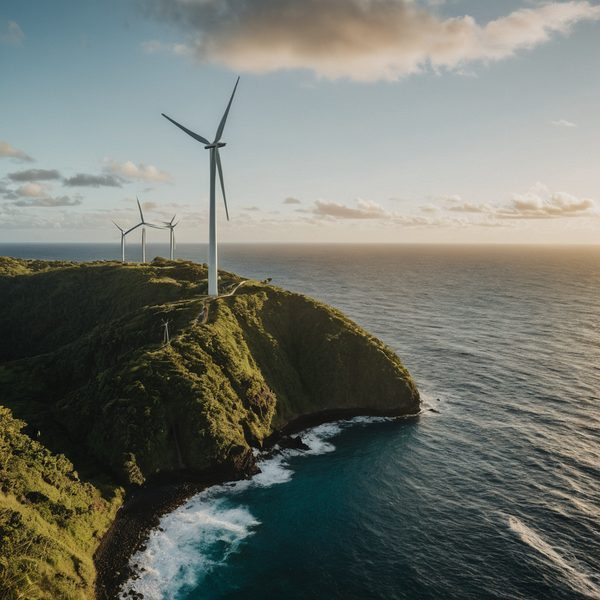
UN Climate Chief Urges Trillions to Turn Talks into Real-World Clean-Energy Projects for Pacific Nations
Rising fossil-fuel costs from global turmoil are pushing climate talks from debate to delivery. A push to mobilize trillions for bankable clean-energy projects—focused on methane cuts and resilient food systems—could redefine energy security for vulnerable Pacific island nations.
-

UN Climate Chief Urges Rapid Action and Finance Push to Cut Methane by 2030 and Accelerate Clean-Energy Projects
Rising fossil-fuel costs and global instability threaten economies and security worldwide, pushing climate talks toward urgent action. A top UN climate official urges fast, concrete steps—reforming energy systems, slashing methane, and delivering resilience finance—before the next review. The warning highlights how vulnerable regions, like small island states, stand to bear the heaviest costs.
-

Vanuatu Seeks China Help and Urges Renewable Shift as Pacific Faces Regional Fuel Crisis
Pacific nations brace for a tightening fuel crisis as energy security becomes a flashpoint for climate policy and diplomacy. Vanuatu’s climate minister signals a tougher stance on fossil fuels and hints at new partnerships, reshaping regional energy questions as reserves dwindle and prices push higher.