UN climate chief Simon Stiell has warned that surging fossil fuel prices driven by recent global conflict are amplifying economic instability worldwide and jeopardising the ability of governments to respond to both financial and climate shocks. Speaking at the Petersberg Climate Dialogue in Berlin on April 21–22, Stiell described the situation as “perilous” and said the world was now facing “fossil-fuel driven stagflation” that is pushing up prices, slowing growth and deepening public debt burdens.
“These latest war[s] have further locked-in much higher fossil fuel costs for months and likely years to come, delivering a gut‑punch to every nation and billions of households,” Stiell told ministers, diplomats and climate experts. He warned that the economic fallout from conflict was eroding policy space for many governments and stripping away “sovereignty” by making energy unaffordable and scarce for households and states alike.
Stiell used the Berlin forum to press for a shift from negotiation to rapid on‑the‑ground implementation. He argued that while multilateral talks remain essential, the era now requires tangible projects that translate commitments into energy, infrastructure and resilience investments. Central to that push is elevating the UN’s Action Agenda — which Stiell said has been “mobilising trillions of dollars within the real economy” — to equal footing with formal negotiations so finance and deployment accelerate in both the global North and South.
The UN Climate Change head also sought to set benchmarks ahead of the next major review under the Paris Agreement. Pointing to the first global stocktake concluded at COP28, Stiell urged that measurable progress be visible “so that by the second global stocktake at COP33, we are on track to meet the commitments made at the first.” He insisted the clean energy transition is now “irreversible,” but added that irreversibility alone will not prevent near‑term disruption without faster implementation and much greater flows of finance into developing countries.
Stiell highlighted priority areas for immediate action: transforming energy systems, cutting methane emissions and stabilising food systems — the latter a nod to recent warnings about fertiliser and food supply risks linked to conflict in the Middle East. “Methane is an ultra‑potent greenhouse gas. Slashing emissions by 2030 will have a huge impact on putting the brakes on global heating,” he said, and stressed the need to roll out resilience measures such as early warning systems to save lives.
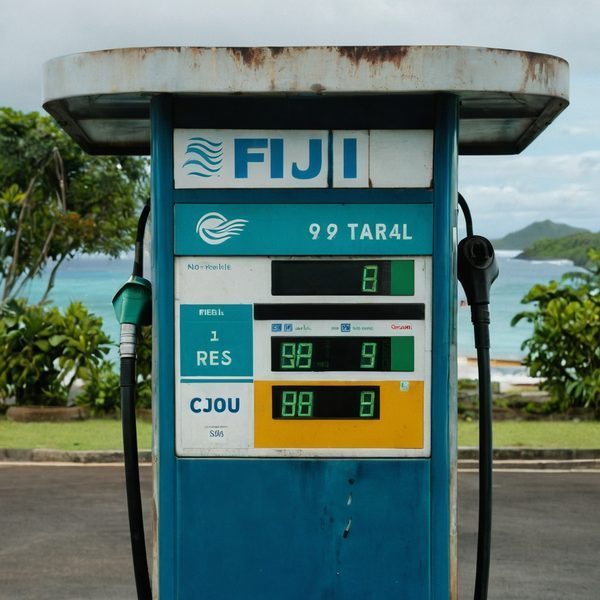
The Berlin remarks amplify concerns already raised in the Pacific. Regional analysis earlier this year warned that a spike in oil prices following heightened tensions in the Middle East could leave Pacific island states exposed to sharp fuel and fertiliser cost increases, threatening transport, food security and public budgets. Stiell’s message links that immediate economic pain with a broader security argument for accelerated decarbonisation: clean energy, he said, offers both “security and affordability — returning sovereignty to nations and their peoples.”
The Petersberg Dialogue, traditionally a track for ministers and senior officials to set practical priorities between UN climate summits, also featured interventions from UN Secretary‑General António Guterres urging a “renewables revolution.” Stiell’s call for measurable implementation and mobilisation of finance frames the debate as the diplomatic calendar moves toward COP33 and the second global stocktake, a process he says must show concrete results rather than more pledges.
Leave a comment