UN
-
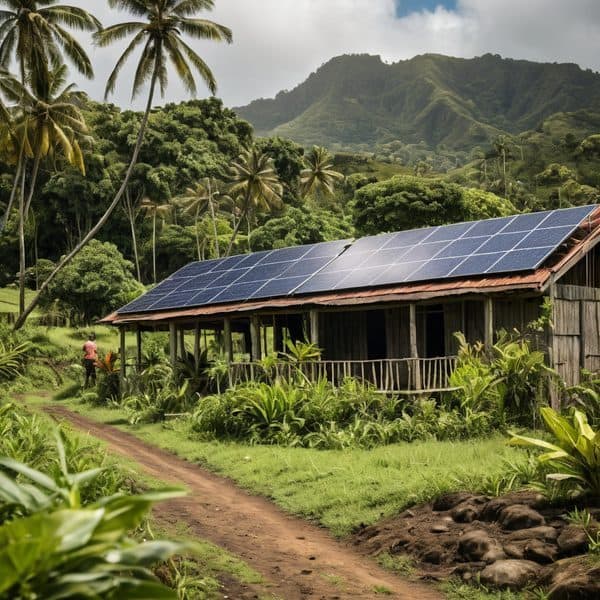
UN climate chief urges immediate clean-energy push as fossil fuel costs strain economies
Fossil-fuel costs are tightening the global economy and hitting vulnerable communities hardest. A top UN climate official says the moment for action is now, urging an immediate shift to clean energy, methane cuts, and stronger resilience. The next steps could redefine energy security and economic stability amid growing climate pressures.
-
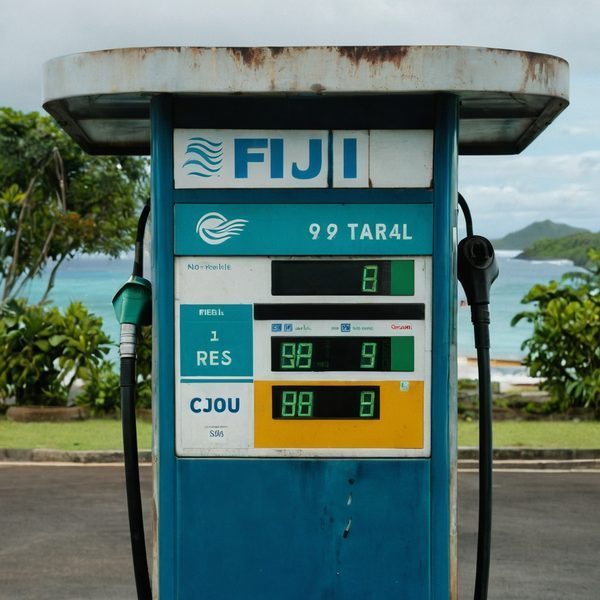
UN Climate Chief Warns Fossil-Fuel Shock Fuels Global Stagflation, Calls for Rapid Action and Finance Ahead of COP33
From Berlin’s Petersberg Dialogue comes a stark warning: volatile fossil-fuel prices are fanning stagflation, tightening policy space, and weighing on budgets worldwide. The remedy? Faster, on-the-ground action—clean energy, resilience, and methane cuts—to restore energy security and climate progress before the next shock.
-
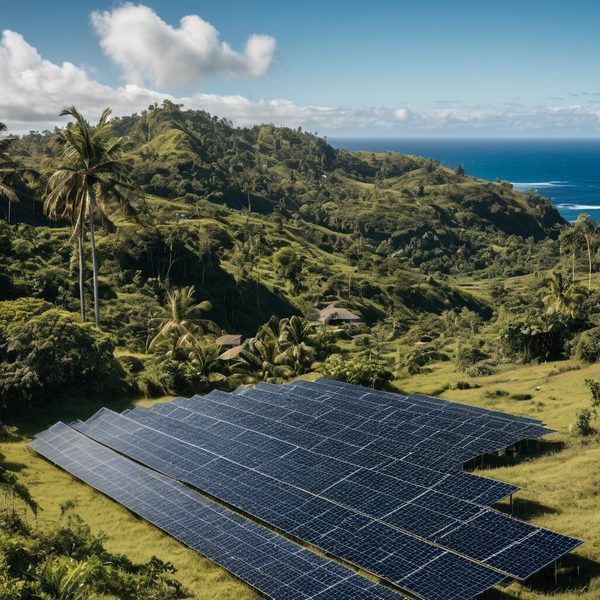
UN climate chief warns fossil-fuel costs imperil Pacific nations, urges rapid clean-energy push ahead of COP33
Rising fossil-fuel costs and global instability are tightening budgets worldwide, with Pacific nations like Fiji feeling the pressure. A UN climate chief warns of “perilous times” and dwindling policy options, sparking a push for a faster clean-energy transition and new financing for the developing world. As talks shift to concrete projects and rapid action on…
-

UN Climate Chief Urges Trillions to Turn Talks into Real-World Clean-Energy Projects for Pacific Nations
Rising fossil-fuel costs from global turmoil are pushing climate talks from debate to delivery. A push to mobilize trillions for bankable clean-energy projects—focused on methane cuts and resilient food systems—could redefine energy security for vulnerable Pacific island nations.
-
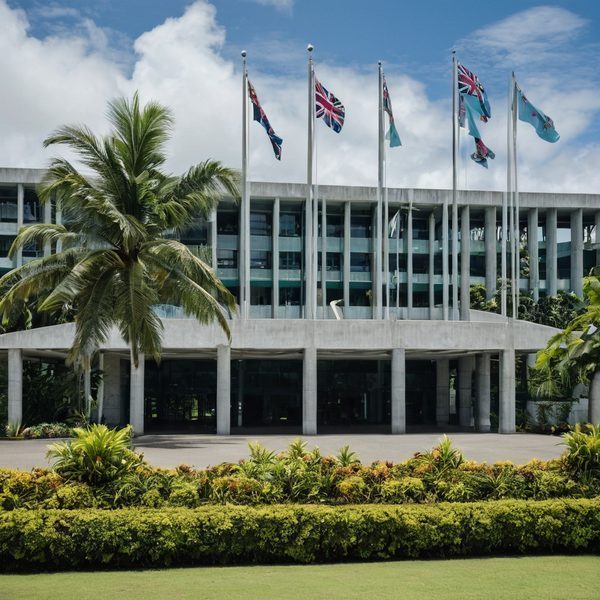
Fiji Defends Principled UN Voting, Promotes Balanced Israel Stance in Global Diplomacy
Fiji says its UN votes are guided by principle and balanced diplomacy, not bloc loyalties. Each resolution is weighed on its merits, aiming for fairness and open dialogue in a polarized world.
-
Fiji’s Tevita Cagilaba Shapes Final BBNJ Text to Protect High-Seas Biodiversity
Fiji’s top legal officer is in New York, applying courtroom precision to the final drafting of the Biodiversity Beyond National Jurisdiction treaty. As negotiators tighten language, subtle wording choices could shape how the high seas are protected and how Pacific interests are safeguarded—often decided in quiet corridors rather than formal sessions.
-

UN chief urges rapid shift to renewables to shield economies from fossil-fuel shocks
Middle East turmoil highlights a global energy risk: fossil fuels tied to a few regions. The UN chief urges a rapid pivot to homegrown renewables—cheaper, scalable, and less vulnerable to price swings—promising greater security for small island economies.
-
Pacific Ministers Push for Tailored UN Reform to Advance Gender Equality and GBV Response at CSW70
Pacific Islands Forum ministers pressed for UN reform that centers the Pacific, spotlighting gender equality, GBV, climate vulnerability, and peace and security. They urged preserving the UN’s reach in Small Island Developing States and ensuring Pacific women’s leadership is reflected in decision‑making as reforms unfold. The dialogue signals a strong, region‑led push to shape global…
-
Vanuatu leads UNGA push to implement ICJ climate ruling as 1.5°C risk looms and loss‑and‑damage fund remains underfunded
UN human rights and legal experts warn that delaying action could push climate safeguards beyond reach. A forthcoming General Assembly resolution aims to translate a unanimous ICJ climate ruling into real-world steps, with Vanuatu leading the talks as urgency mounts. The move touches fossil fuel policy, funding for loss and damage, and the right to…
-

Carney warns postwar rules-based order eroding as middle powers forge coalitions, risking Pacific island security
The post‑war rules-based order is fraying, pushing middle powers to form new coalitions that trade protection for access to resources and influence. For Pacific Island nations, that shift could redefine energy security and diplomatic voice—where protection depends less on global norms and more on who controls essentials like fuel and minerals.