climate change
-

Palau Faces Environmental Strain as U.S. Military Buildup Expands, Communities Demand Oversight Ahead of New Zealand Visit
Palau is navigating a delicate balance between a rapid U.S. military buildup and hard-won environmental protections, with local communities feeling sidelined. From contested land clearances on Angaur to a major radar project and a landmark diplomatic trip abroad, the tensions spotlight questions of sovereignty, consultation, and future security for the island nation.
-

Palau’s Historic First State Visit to New Zealand Amid U.S. Military Buildup Prompts Environmental and Sovereignty Debates
Palau’s president makes a historic state visit to New Zealand as a security report raises concerns about the environmental and sovereignty costs of the U.S. military buildup in Palau. The study questions how environmental duties are enforced and points to opaque land-use decisions behind a major radar project. With the radar nearing operation and legal…
-
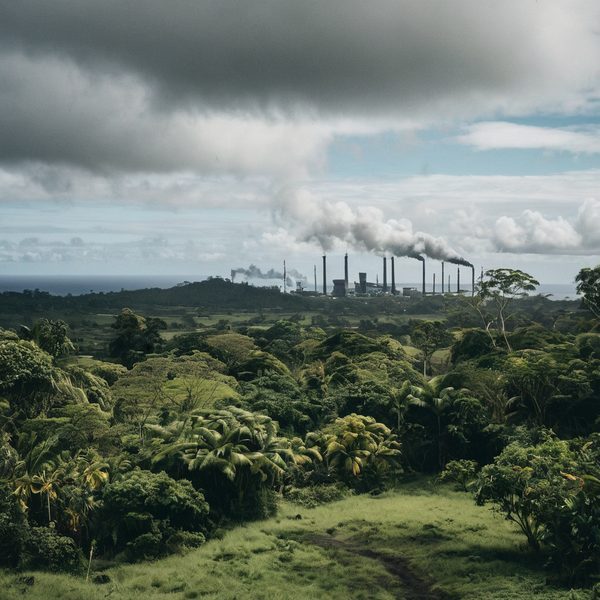
Fiji warns Vuda waste-to-energy incinerator could leave a toxic legacy, breach international law, and threaten cultural sites
Fiji’s proposed Vuda waste-to-energy plant has sparked a heated debate over environmental risk, cultural heritage, and international obligations. Critics warn of a potentially lasting toxic legacy and questions about waste sourcing and long‑term monitoring. The discussion is forcing a closer look at whether the plan truly serves Fiji’s future.
-

Nama Rebounds on Namuaimada Reefs as Women Lead Community-Led Conservation
Nama has returned to Namuaimada’s reefs, a surprising lift for families who rely on the sea. Led by Sera Baleisasa, the community champions careful stewardship—while climate change threatens to test every gain.
-

Pacific presses for fast, real finance to back a fossil-fuel-free Pacific at Port Vila meeting
Ambitious renewable targets in the Pacific depend on real, rapid finance—without bureaucratic delays. The Port Vila Call for a Just Transition pushes for funding that reaches communities and speeds up practical projects, as island leaders set their sights on a global fossil-fuel transition conference later this month.
-

Pacific Churches Launch Ten-Year Ecumenical Decade of Climate Justice Action in Togoru, Fiji
Pacific church leaders launch a decade-long push for climate justice, grounding their call in communities already confronting rising seas. The initiative seeks faith-based mobilization, advocacy, and practical support to help frontline communities weather an accelerating crisis.
-

Zero Waste Aotearoa urges NZ to block Fiji waste incinerator plan
Environmentalists warn a proposed Fiji waste incinerator could push pollution and climate costs across the Pacific onto a culturally sensitive coastline. Planned protests in Wellington and Fiji highlight growing calls for government intervention to block the cross-border project.
-
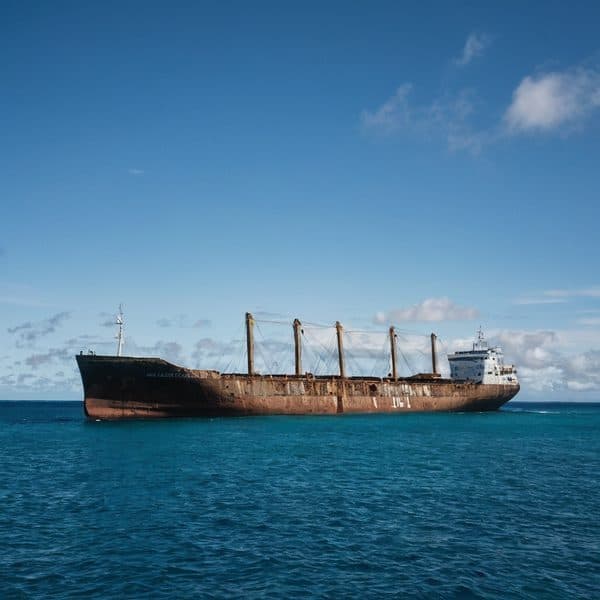
Pacific in Crisis: Shipping Lifeline Under Strain as Climate, Security and Health Pressures Escalate
Fresh Pacific developments are highlighting mounting challenges across shipping, security, climate and health. As governments push urgent responses—from fuel resilience and safer transport to climate adaptation and health-system stress—the region stands at a crossroads that could redefine its future.
-
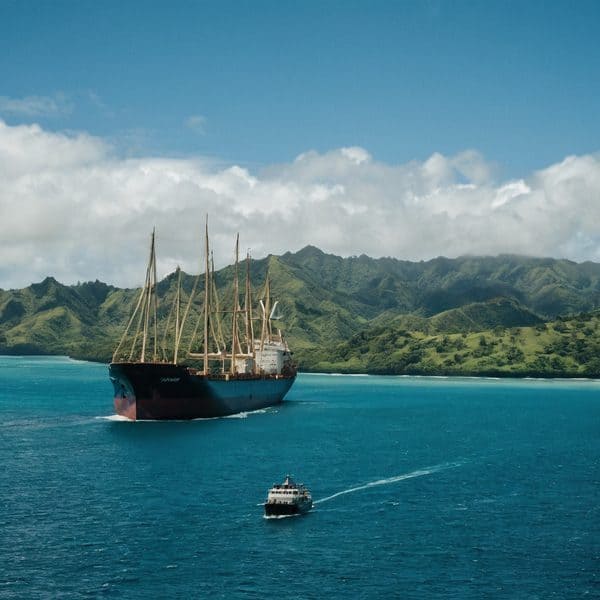
Pacific Islands Bet on Wind-Assisted Shipping to Cut Fuel Costs Up to 40%
Pacific shipping is at a crossroads, with experts urging a rapid shift to wind-assisted and other low-carbon technologies to curb rising fuel costs and climate risk. New analyses hint at meaningful fuel savings—yet only with Pacific-specific research, financing, and adaptation of existing tech. As governance, resilience, and regional cooperation expand, the coming decade could reshape…
-

Wind-Assisted Shipping Could Shield Pacific Islands From Fuel Price Shocks
Shipping remains the Pacific’s lifeline for remote island communities—a lifeline increasingly strained by ageing fleets and soaring fuel costs. Advocates argue wind-assisted propulsion could dramatically cut fuel use and bolster resilience, but financing, maintenance, and fleet realities pose tough hurdles for a rapid transition.