climate change
-
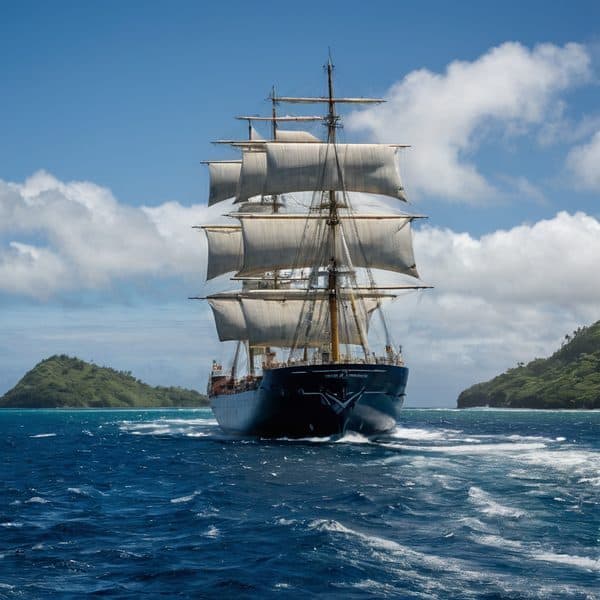
Wind-Assisted Shipping Could Shield Pacific Islands From Fuel Price Shocks
Shipping remains the Pacific’s lifeline for remote island communities—a lifeline increasingly strained by ageing fleets and soaring fuel costs. Advocates argue wind-assisted propulsion could dramatically cut fuel use and bolster resilience, but financing, maintenance, and fleet realities pose tough hurdles for a rapid transition.
-
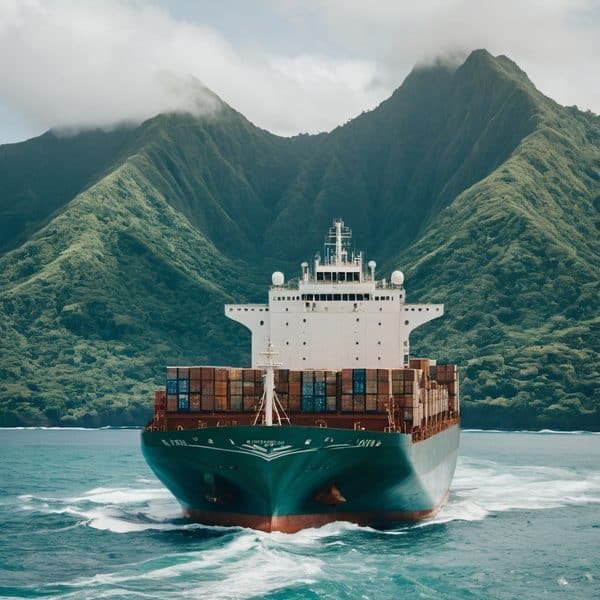
Pacific Shipping Eyes Wind-Assisted Propulsion to Cut Fuel Use by 40% and Strengthen Island Supply Chains
Pacific Island shipping stands at a turning point, with wind-assisted propulsion proposed as a near-term way to cut fuel use and shore up fragile supply chains. Early analyses suggest meaningful savings with ready technologies—if financing and local design keep pace with small, sparse-route fleets. A practical path to lower emissions and stronger resilience is taking…
-
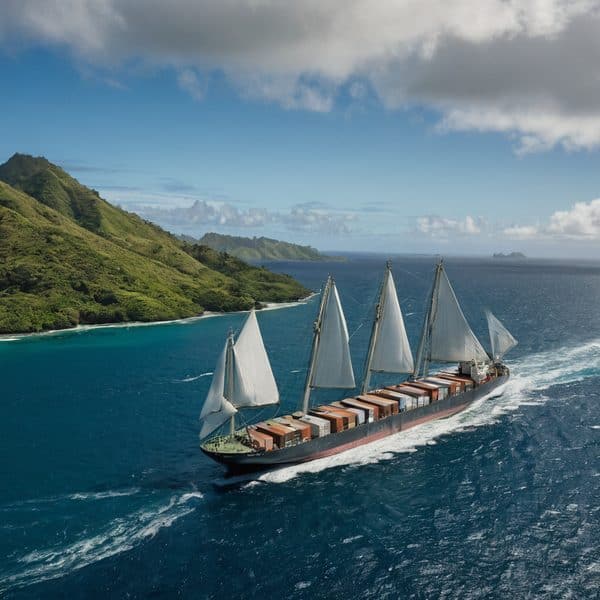
Pacific shipping at crossroads as wind-assisted propulsion could slash fuel costs for remote island communities
Pacific shipping, the lifeline for remote island communities, is at a crossroads. Regional experts say wind-assisted propulsion and other low-carbon tech could meaningfully cut fuel use, but require tailored R&D, new financing and pilots to work in Pacific conditions. The question now is whether investment will strengthen lifelines or leave islands isolated and costly.
-
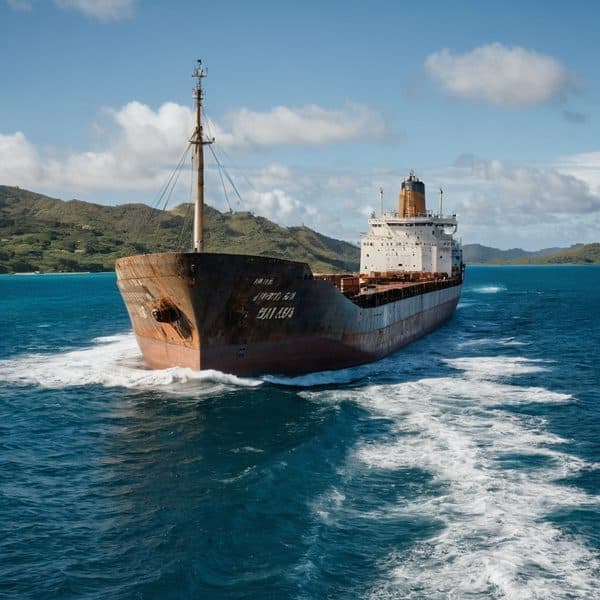
Wind-Assisted Propulsion Could Save Pacific Island Shipping From Crisis, Experts Say
Pacific shipping is at a tipping point, with aging fleets and high fuel costs threatening remote communities’ lifelines. Experts see wind-assisted propulsion and targeted, region-specific low-carbon tech as a practical path forward—but it will require bespoke R&D and financing to fit local needs. Will tailored innovation and policy changes protect vital sea links while steering…
-
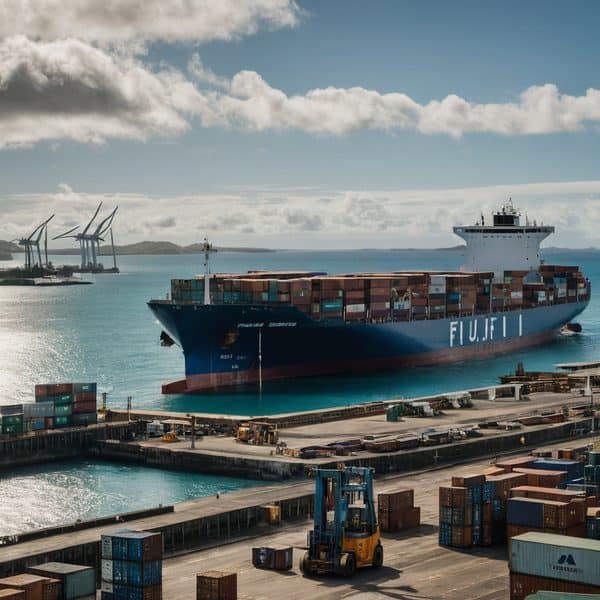
Wind-Assisted Shipping Urgently Reshapes Pacific Island Freight as Aging Fleets Drive Up Fuel Costs
In the Pacific’s far-flung supply chains, ageing ships and soaring fuel costs threaten remote communities’ shelves and services. Wind-assisted propulsion and other low-carbon options could cut fuel use, but real gains depend on targeted investment and policy support.
-

Pacific Island Shipping Turns to Wind-Assisted Vessels as Quick Lifeline
Pacific island shipping is buckling under aging fleets, risking empty shelves and fuel shortages for remote communities. A wind-assisted propulsion shift is emerging as a practical short-term lifeline—if paired with targeted R&D, climate finance, and regional coordination.
-
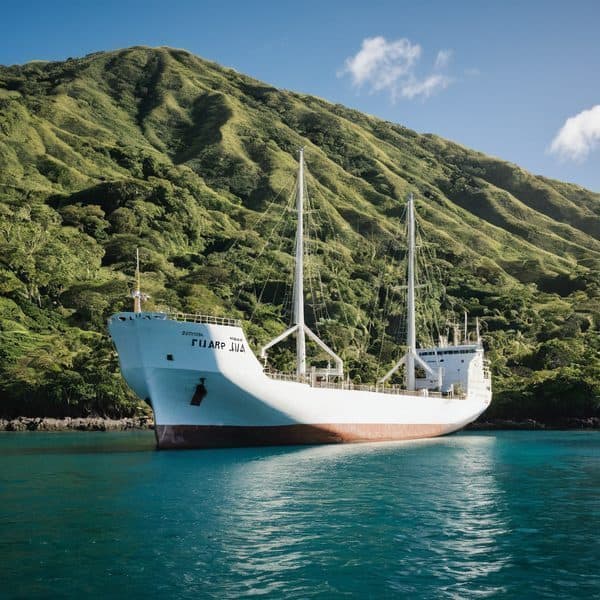
Pacific Islands Turn to Wind-Powered Shipping to Slash Fuel Costs and Boost Low-Carbon Connectivity
Faltering supply lines and rising fuel costs are pushing Pacific island shipping toward a tipping point. Wind-assisted and other low-carbon options offer a region-specific path to cheaper, more reliable connectivity—if research and funding keep pace. A broader look at governance and resilience reveals the high-stakes road ahead for island life.
-
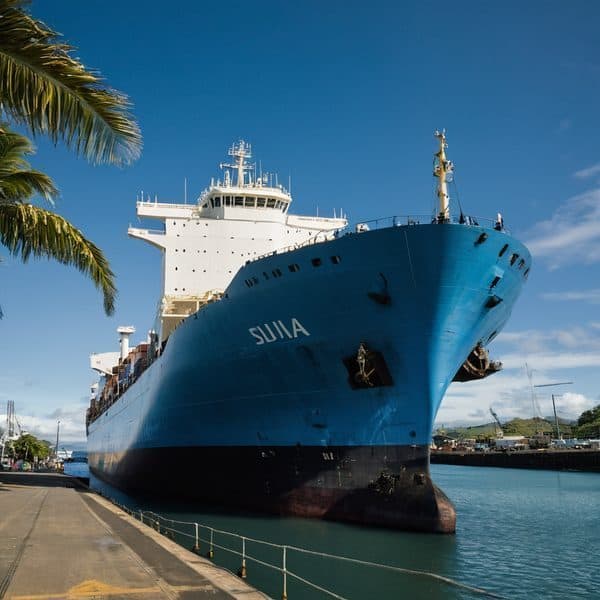
Pacific Islands Push Wind-Assisted Propulsion to Avert Supply Crises and Cut Carbon
Pacific Island shipping is at a tipping point as fuel costs rise and fleets age. A push for wind-assisted propulsion promises immediate fuel savings, but turning it into reliable, low-carbon lifelines for island communities will require targeted design, pilots and financing.
-
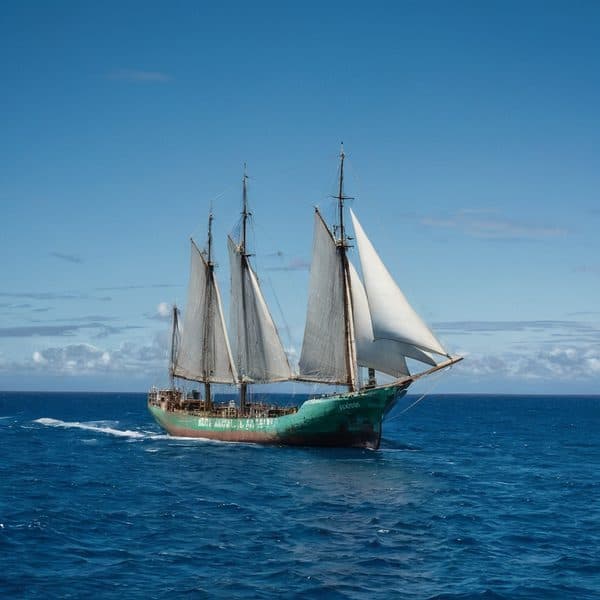
Pacific Shipping Crisis Spurs Wind-Assisted, Low-Carbon Fleet Push
Pacific shipping could be edging toward a crisis, as experts call for rapid, Pacific-tailored wind-assisted propulsion to cut fuel costs and safeguard island supplies. With aging fleets and heavy reliance on imports, the case for regional, low-carbon solutions is gaining urgency—before price shocks deepen.
-
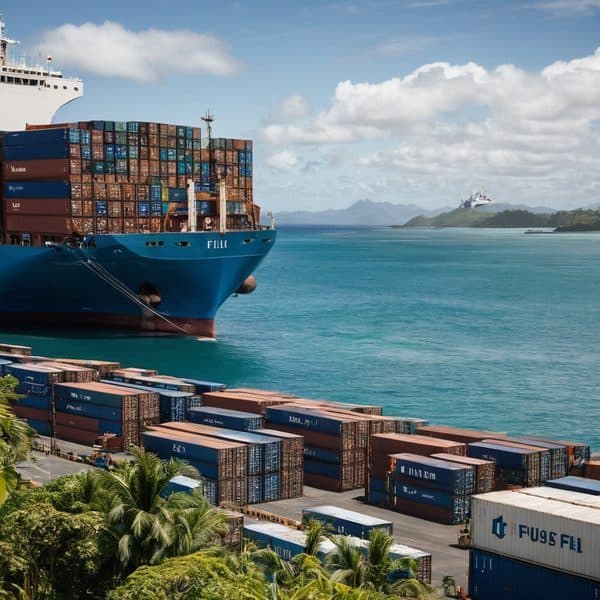
Pacific Shipping Tackles Fuel Crisis as Wind-Assisted Tech Offers Up to 40% Fuel Savings
Pacific shipping, the lifeline for remote island communities, is facing a growing crisis. A regional push toward wind-assisted and other low‑carbon technologies is framed as a practical near‑term fix to rising fuel costs, aging fleets, and climate pressures.