climate change
-
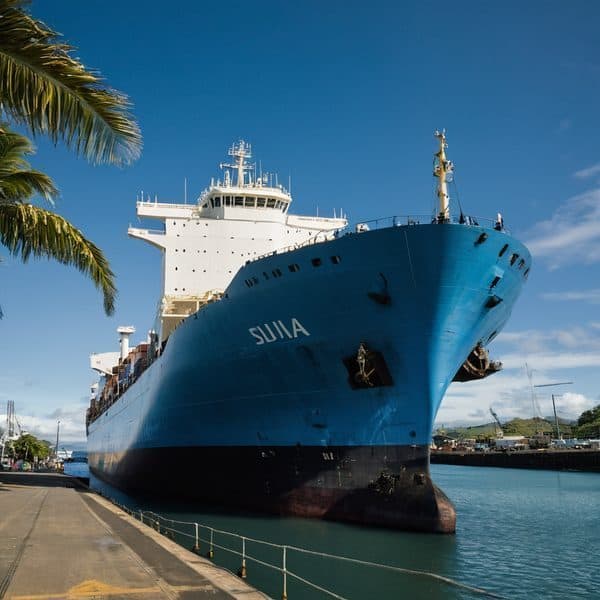
Pacific Islands Push Wind-Assisted Propulsion to Avert Supply Crises and Cut Carbon
Pacific Island shipping is at a tipping point as fuel costs rise and fleets age. A push for wind-assisted propulsion promises immediate fuel savings, but turning it into reliable, low-carbon lifelines for island communities will require targeted design, pilots and financing.
-
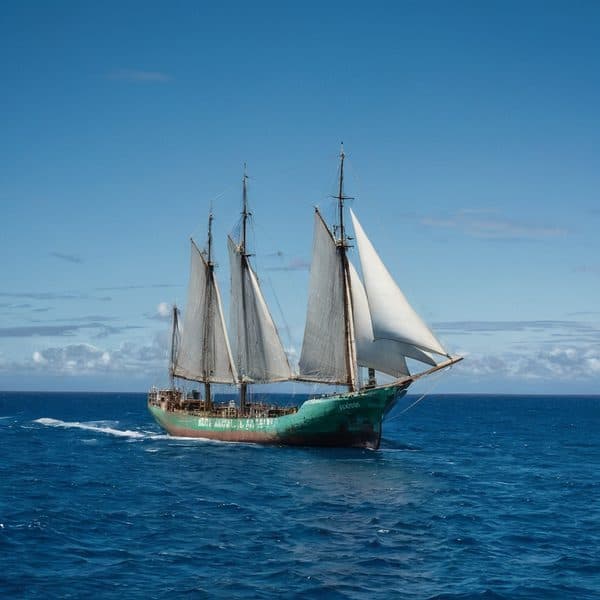
Pacific Shipping Crisis Spurs Wind-Assisted, Low-Carbon Fleet Push
Pacific shipping could be edging toward a crisis, as experts call for rapid, Pacific-tailored wind-assisted propulsion to cut fuel costs and safeguard island supplies. With aging fleets and heavy reliance on imports, the case for regional, low-carbon solutions is gaining urgency—before price shocks deepen.
-
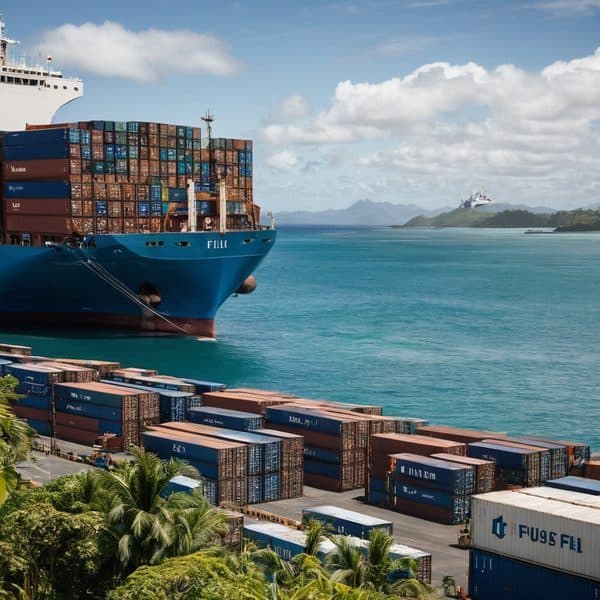
Pacific Shipping Tackles Fuel Crisis as Wind-Assisted Tech Offers Up to 40% Fuel Savings
Pacific shipping, the lifeline for remote island communities, is facing a growing crisis. A regional push toward wind-assisted and other low‑carbon technologies is framed as a practical near‑term fix to rising fuel costs, aging fleets, and climate pressures.
-
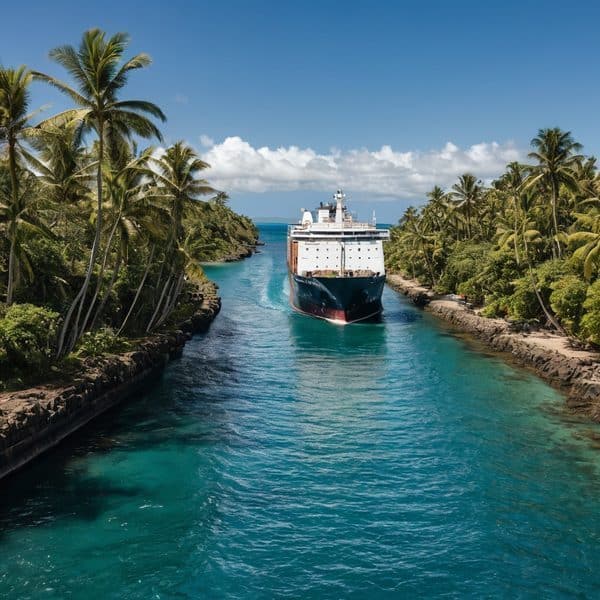
Pacific Shipping Crisis Spurs Wind-Assisted Propulsion Push for Decarbonisation
Islands’ lifeline under pressure as aging ships meet volatile fuel costs. Could wind-assisted propulsion and other near-term, low-carbon fixes finally ease the burden—with ripple effects for transport, health, and livelihoods across the Pacific?
-
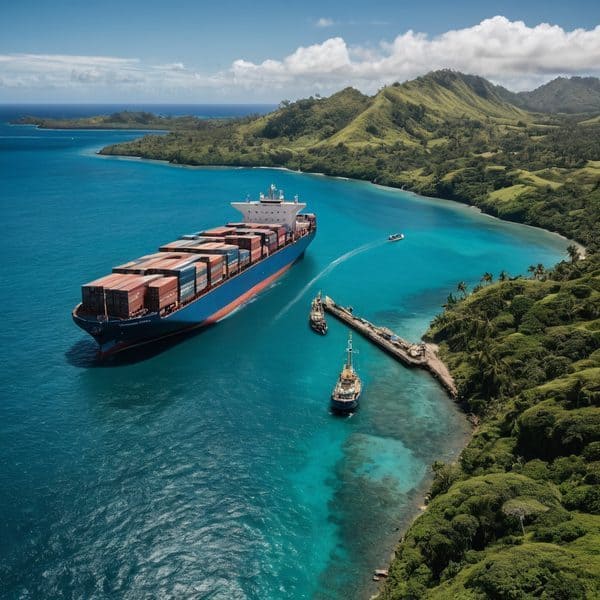
Pacific Decarbonisation Push for Wind-Powered Shipping Faces Security and Health Challenges
Fresh pressures ripple through Pacific island nations as shipping lifelines, security threats, and health emergencies meet mounting climate risks. A bold push for wind-assisted, low-carbon shipping sits alongside rising crime concerns and urgent resilience efforts, hinting at a tangled path toward safer seas and stronger communities.
-
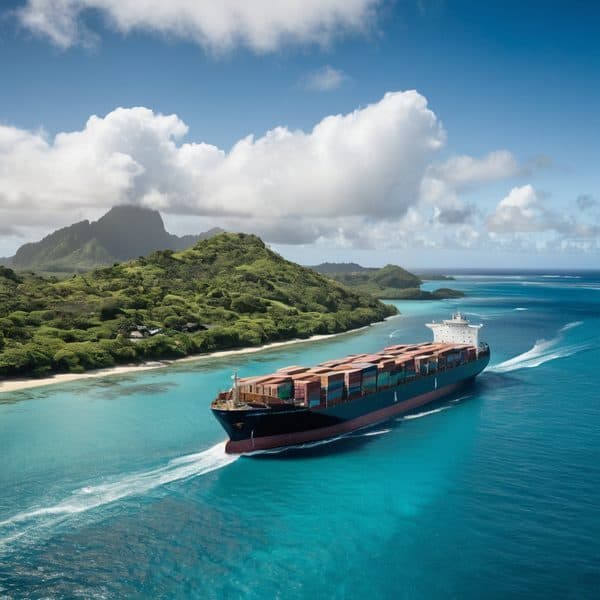
Wind-Powered Shipping Could Slash Pacific Fuel Use by 40%, Majuro Forum Says
Fresh ideas for the Pacific’s lifeline as shipping decarbonizes—wind-assisted propulsion and other low‑carbon options promise major fuel savings, but require region‑specific funding and research. A Majuro forum highlighted the gap between global innovation and small‑vessel needs, warning that island economies remain vulnerable to price shocks unless policies and financing fall into place.
-
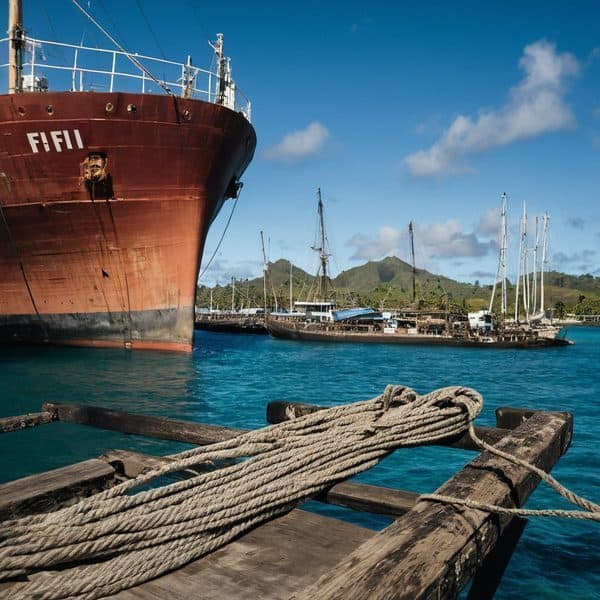
Pacific Islands Turn to Wind-Assisted Shipping to Cut Costs and Strengthen Resilience
Pacific Island shipping is at a crossroads: aging, fossil-fuelled fleets threaten supply lines to remote communities as fuel costs spike. Experts argue that wind-assisted propulsion and targeted, low‑carbon technologies could restore resilience—if regional research, investment and policy support catch up with the need.
-
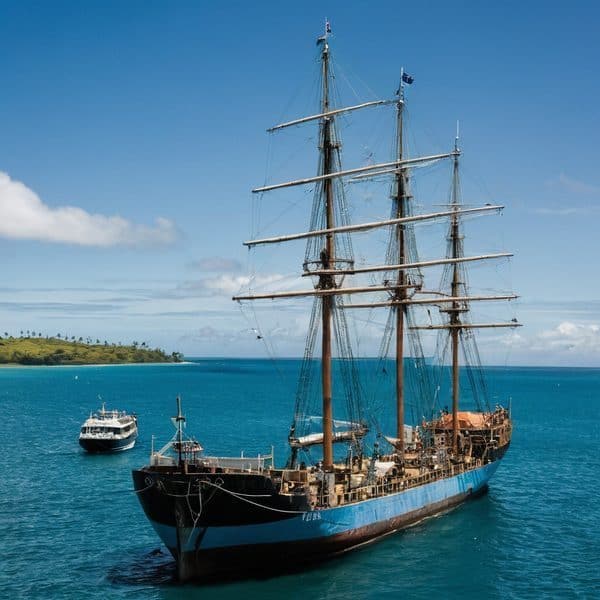
Wind-assisted, low-carbon ships urged to secure Pacific island lifelines
Pacific shipping—the lifeline for remote island communities—faces renewed pressure from rising costs and climate risk. Experts argue that wind-assisted propulsion could offer a practical near-term fix, paving the way for smarter investment and regulations to keep vital routes resilient.
-

Fiji’s Soko ni Nuinui: Anglican Voyage of Hope Trains 1,400 Leaders in Ocean Stewardship Aboard a Floating Canoe Classroom
Across Fiji, a 50‑day voyage aboard the canoe Uto Ni Yalo weaves ocean theology with Indigenous wisdom and practical climate action. Dubbed Soko ni Nuinui, it trains local leaders to safeguard coastal communities—multiplying resilience through a growing network that treats the ocean as guardian and guide.
-
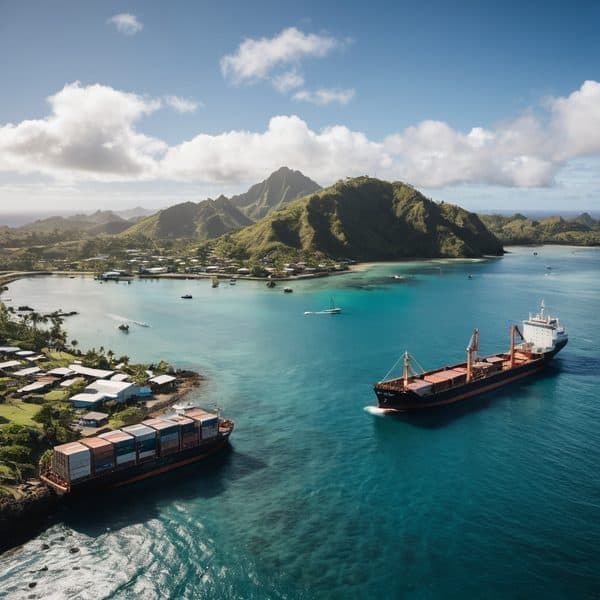
Pacific Islands Bet on Wind-Assisted Shipping to Strengthen a Fragile Maritime Lifeline
Pacific island nations are juggling a rising tide of policy shifts, health crises, and governance concerns that threaten a fragile regional lifeline. From aging vessels and wind-assisted shipping fixes to new climate priorities, the week’s developments spotlight an urgent push for practical resilience across transport, health, and governance.