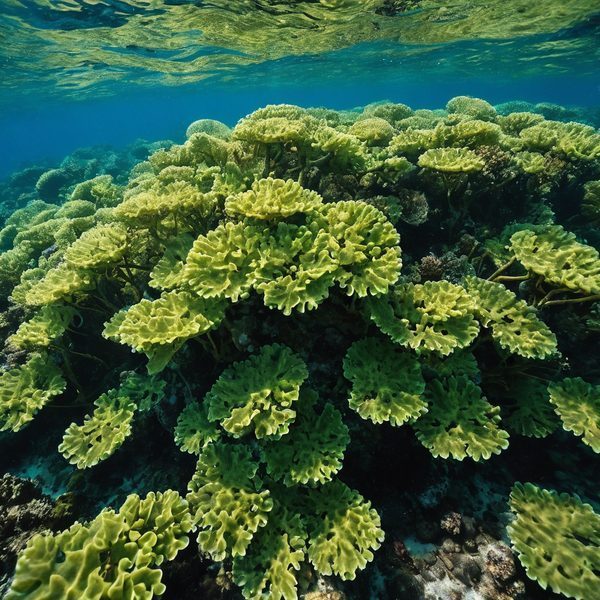
Latest update from Namuaimada village in Rakiraki: nama — a once-depleted local marine resource — has returned in abundance to the reefs, and village leader Sera Baleisasa is urging sustained community action to protect the fragile recovery. Baleisasa, 40, who serves as president of the village’s Soqosoqo Vakamarama, says the rebound follows years of near-absence after Severe Tropical Cyclone Winston slammed into Fiji in 2016 and decimated coastal habitats.
“For more than 20 years, I have risen with the tide,” Baleisasa said, describing a lifetime bound to the sea that now sustains her family and neighbours. A mother of four, she began diving for nama when she was about 19 after returning to Namuaimada from school and seeing women harvest daily. The practice remains central to village life: earlier generations would travel by carrier or bus to Volivoli and go out by foot or small boats to gather nama, lumi and other seafood, she recalled.
Baleisasa’s account provides fresh detail on the local recovery timeline. She says nama disappeared completely after Cyclone Winston and “took years to recover.” The first signs of regrowth were noticed only after persistent harvesters continued diving the reefs; now, she reports, nama is “found abundantly on the reefs” again. That return marks an important development for livelihoods in Ra, where subsistence fishing and small-scale harvesting underpin household food security and income.
As president of the women’s association, Baleisasa is leveraging that role to press for sustainable practices. “What I always share with the women in the village is the importance of protecting our natural resources,” she said, pointing to simple but consistent actions — sustainable harvesting techniques and keeping the coastline clean — as ways to bolster the reef’s resilience. Her leadership underscores the continued centrality of women in coastal resource management in Namuaimada, a tradition she joined decades ago when both mothers and fathers went to sea together.
Yet Baleisasa warns the gains are precarious. She identifies climate change as the biggest threat to marine life and community wellbeing, saying shifting climate patterns have a “huge impact on the growth of nama and other marine life we depend on.” That warning aligns with broader scientific and local reports linking more intense storms, warming seas and altered currents to damage to reef ecosystems and the species communities rely upon.
Baleisasa’s story — from a youth split between village and town schooling in Navolau, Lautoka and Ba, to time working in a Yasawa hotel, to her current role leading Soqosoqo Vakamarama — illustrates a lived commitment to both family and conservation. Her message is practical and immediate: continued, community-led stewardship can protect the recently recovered nama populations and help Namuaimada withstand future climatic shocks.
The latest signs of reef recovery offer cautious optimism for Rakiraki’s coastal communities, but Baleisasa’s emphasis on sustainable harvesting and coastal cleanliness highlights how fragile that optimism remains. Her experience suggests that while nature can rebound given time and care, local leadership and consistent stewardship are essential to preserve gains against the mounting pressures of climate change.
Leave a comment