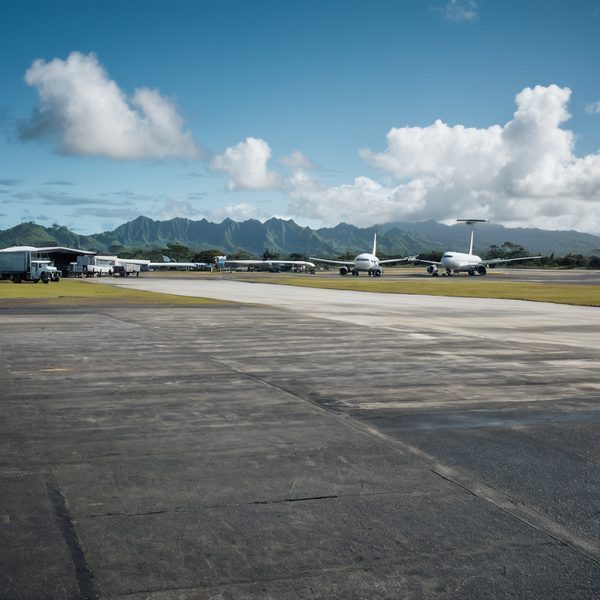
WELLINGTON/SUVA — New Zealand Prime Minister Christopher Luxon says there is no immediate risk to leaders travelling to the Pacific Islands Forum in Palau but reiterated Wellington stands ready to help if fuel pressures worsen — and stressed that, so far, no Pacific leader has asked for assistance.
Speaking to media on April 16, Luxon said the government is monitoring the situation closely but that “at this point we don’t see any risk of that. There is no risk to any fuel disruption for us and that’s a good thing. But August is a long way away.” The Forum’s leaders’ meeting, scheduled for August in Palau, brings together heads of government across the Pacific and relies on fragile long-haul connections through hubs such as Guam, Japan and the Philippines — routes observers say are vulnerable to fuel price spikes and supply disruptions.
Palau’s President Surangel Whipps Jr, who visited Aotearoa last week, has similarly downplayed concerns that fuel pressures will prevent leaders from attending. Whipps told Pacific Mornings he did not expect the situation to worsen and expressed gratitude to partners prepared to assist: “I don’t think that [the fuel crisis] should affect [leaders] coming to PIF but we’re very grateful to New Zealand, Australia and the United States who are willing to go around and pick up leaders and bring them to PIF.”
New Zealand has a recent record of stepping in to secure attendance. Wellington assisted transport of leaders to the Forum in Tonga in 2024 and again to Honiara in September 2025, arrangements officials point to as precedents if other delegations find travel routes constrained. Luxon’s office said no formal requests have been received yet, but that contingency planning is under way should the global fuel situation deteriorate.
Foreign Minister Winston Peters underlined the stakes beyond logistics, describing the Palau meeting — and New Zealand’s own hosting next year under the Forum leadership rotation — as “an important moment for the region.” Peters said the Pacific faces “a very challenging global strategic environment” and that unity at leaders’ meetings is crucial for advancing shared interests. That observation dovetails with Pacific concerns that wider geopolitical shocks, notably the ongoing Middle East conflict, are already feeding through to higher fuel prices and added costs for island states.
Fiji and other Pacific countries flagged those risks earlier this year. In March, Fiji’s consumer watchdog and regional analysts warned rising global oil prices triggered by the Middle East tensions could push up domestic fuel and food costs, underlining how quickly remote supply chains can be affected. The new statements from Wellington and Palau’s president are the latest development in a story that remains fluid: while travel to Palau is expected to proceed as planned for now, governments are keeping contingency options open.
The April 16 bulletin that carried Luxon’s comments also highlighted other regional moves this month: Tonga launched a five‑year multi‑hazard strategy for risk communication and community engagement, and a new study ranked the Hawaiian monk seal as the marine mammal most at risk of extinction from plastic pollution — reminders that climate, environmental and logistical pressures continue to shape Pacific diplomacy and domestic priorities even as leaders prepare for the Forum.
Leave a comment