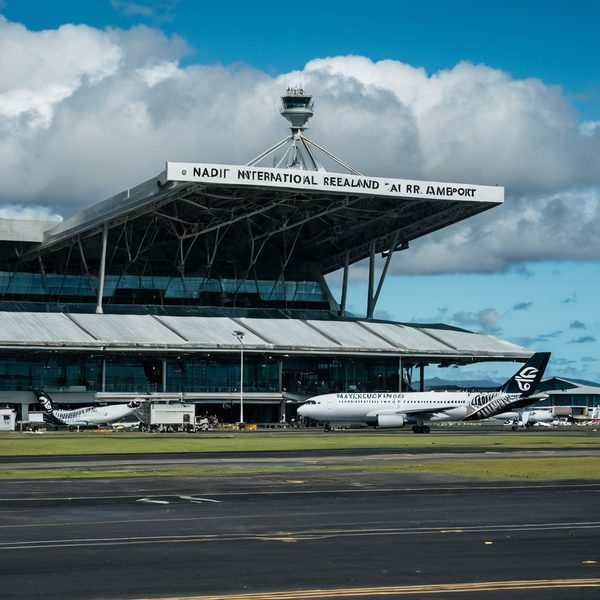
WELLINGTON/SUVA, 16 April 2026 — New Zealand Prime Minister Christopher Luxon says there is currently no immediate risk to Pacific leaders travelling to Palau for this year’s Pacific Islands Forum, but warned the situation could change and pledged that Wellington stands ready to step in if rising fuel pressures force an intervention.
“At this point we don’t see any risk of that. There is no risk to any fuel disruption for us and that’s a good thing. But August is a long way away,” Luxon told reporters on Thursday, adding that no leaders had yet requested assistance. He said New Zealand would be prepared to help transport delegations if fuel or logistical pressures in the region worsen.
Palau President Surangel Whipps Jr, who met New Zealand officials during a visit to Aotearoa last week, similarly sought to calm concerns. “I don’t think that [the fuel crisis] should affect [leaders] coming to PIF but we’re very grateful to New Zealand, Australia and the United States who are willing to go around and pick up leaders and bring them to PIF,” Whipps told Pacific Mornings. The Forum leaders meeting, scheduled for August, is regarded as the region’s most important political gathering and brings together heads of government from across the Pacific to set regional priorities.
The statements follow months of warnings that global tensions in the Middle East have pushed oil prices higher and raised the prospect of supply-chain disruptions that would disproportionately hurt Pacific island states. Pacific travel between countries such as Samoa, Tonga and Niue often relies on limited international connections through hubs including Guam, Japan and the Philippines — fragile routes that were singled out by officials as vulnerable to fuel and flight disruptions.
Wellington stressed contingency experience: New Zealand airlifted leaders to previous Forums, including to Tonga in 2024 and to Honiara last September, and Foreign Minister Winston Peters framed this year’s meetings as a critical moment for Pacific unity. “The region faces a very challenging global strategic environment, and in this context, Pacific countries best advance our shared interests when we work together, showing strength through unity,” Peters said in a press release.
The bulletin of regional developments published on Thursday also underscored why contingency plans matter. A power outage in Guam attributed to Typhoon Sinlaku has left some 1,800 tourists stranded after water, power and telecommunications services were knocked out. In Papua New Guinea, the Defence Force chief ordered a one-month closure of all military camps as commanders seek to contain an internal crisis. Political turbulence continued in the Solomon Islands, where the majority coalition hailed a landmark court ruling and demanded the prime minister resign or face parliament. Tonga launched a five-year strategy this week focused on risk communication and community engagement for multi-hazard preparedness, while a new study ranked the Hawaiian monk seal as the marine mammal most at risk of extinction from plastic pollution — a reminder of the environmental pressures the region also faces.
For now, Luxon and Whipps’s reassurances mean leaders are expected to proceed with plans to attend the Palau Forum. But officials across the Pacific remain watchful; governments have not finalised all delegations, and the combination of volatile fuel markets and ongoing regional crises means organisers and capitals are keeping contingency options open as they head into the crucial August summit.
Leave a comment