Palau’s growing role as a strategic US partner has come under fresh scrutiny after a Guam-based security think tank published a report this week alleging environmental breaches and a widening gulf between Palauan communities and the US military presence — a development coinciding with President Whipps’s historic first state visit to New Zealand.
The Pacific Centre for Island Security’s Micronesia Security Outlook 2025, whose Palau segment was authored by Jodean Remengesau of Palau’s Bureau of Agriculture, Fisheries and the Environment, warns that safeguards built into the Compact of Free Association are being undermined by an accelerated militarisation. “The U.S military had missed and fell short of fulfilling its duties and responsibilities under the compact,” Remengesau writes, alleging that environmental standards and community consultation requirements have not been met.
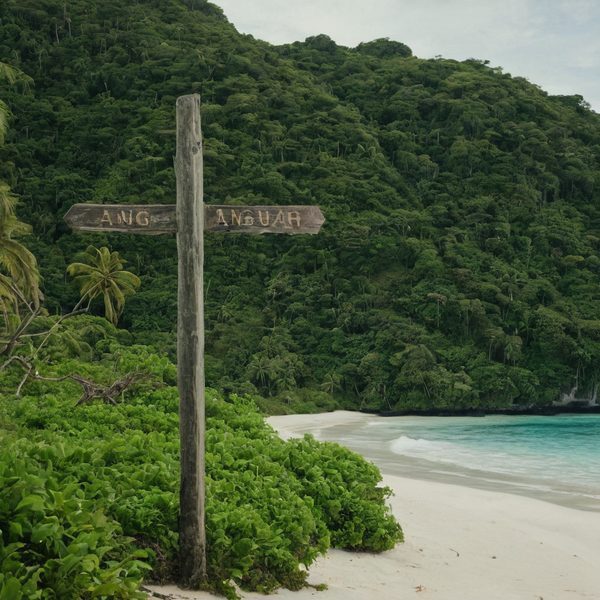
The report singles out actions on Angaur, one of Palau’s 16 states, where US forces are said to have cleared land for a tactical mobile over-the-horizon radar site without obtaining mandatory environmental earthmoving permits or conducting consultations with residents. The clearing prompted concerns about shredded tree debris left at the site and, according to the report, material later dumped on residents’ yards — a move that reportedly invited invasive coconut rhinoceros beetle infestation. In 2023, Angaur Governor Steven Salii launched litigation naming Palau’s central government, the Palau Environmental Quality Protection Board, the US government and military contractors, alleging unlawful disturbance of 271,807 square metres of land without required environmental impact assessments or permits.
The revelations arrive against the backdrop of a renegotiated Compact that began on October 1, 2023, under which the United States pledged US$890 million to Palau spread over 20 years and affirmed responsibility for the island’s defence. The report notes that heavy reliance on compact funds and foreign aid has increased Palau’s exposure to US and international security objectives at a time of heightened US-China geopolitical competition in the region.
The US$118 million radar project, referenced in the report, is expected to be operational this year. Remengesau’s analysis also contends that what officials initially presented as a single shoreline radar tower for joint Palau–US use later became two separate installations, a shift the report says was not clearly explained to Palauan authorities or communities.
Palau’s position as a strategic partner in Micronesia has been the subject of increasing attention across the Pacific. The PCIS report frames contemporary developments as part of a longer-standing potential for militarisation embedded in the compact, but argues that recent acceleration has eroded local input and environmental protections intended to safeguard Palau’s sovereignty and ecosystems.
President Whipps’s state visit to New Zealand, promoted as a historic diplomatic milestone, underscores Palau’s efforts to diversify international engagement even as domestic tensions over land use and environmental stewardship surface. The report’s findings — and the existing 2023 lawsuit by Governor Salii — are likely to complicate relations between Palauan authorities, affected communities and US defence actors as the radar project comes online.
The Pacific Centre for Island Security’s report calls for clearer adherence to compact environmental clauses, greater transparency around military projects, and meaningful consultation with state governments and residents. With the radar expected to be functional this year and legal challenges still pending, the dispute over Angaur highlights the tensions between strategic security initiatives and local rights and environmental protections in small Pacific states.
Leave a comment