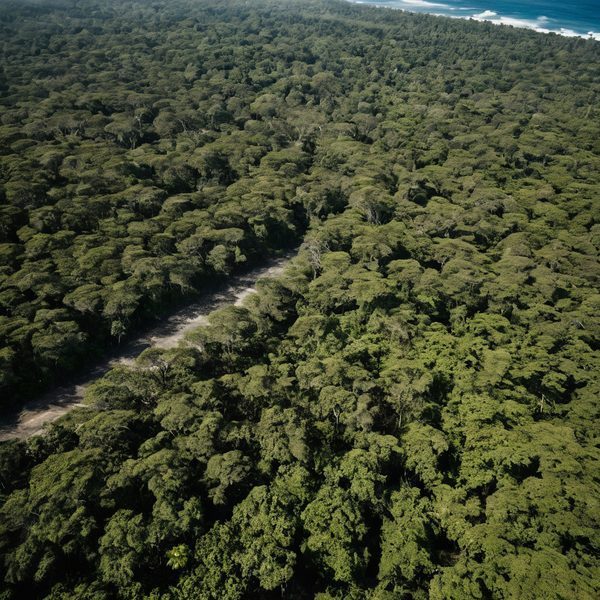
A new Guam-based security report warns that an accelerated U.S. military buildup in Palau is eroding environmental protections and sidelining local communities, even as Palauan leaders take high-profile diplomatic steps this month. The Pacific Centre for Island Security’s Micronesia Security Outlook 2025, released this week, says safeguards written into agreements with the United States have been “rendered ineffective” by recent activity and growing militarisation.
Jodean Remengesau, director of the Bureau of Agriculture at Palau’s Ministry of Agriculture, Fisheries and the Environment, authored the Palau chapter of the report and documents several instances where U.S. military activity, contractors and other parties failed to meet Palau’s environmental requirements. “The U.S military had missed and fell short of fulfilling its duties and responsibilities under the compact of the U.S with Palau,” Remengesau writes, citing cleared land on Angaur for a tactical mobile over‑the‑horizon radar site where no environmental earthmoving permit was obtained and community consultations were not held.
The report recounts that the clearing on Angaur produced “piles of shredded tree debris” that invited infestation by the invasive coconut rhinoceros beetle; efforts to dispose of that material allegedly included dumping it on residents’ yards in a hurried attempt to contain the problem. In 2023 Angaur Governor Steven Salii filed a lawsuit naming Palau’s central government, the Palau Environmental Quality Protection Board, the U.S. government and U.S. military contractors, alleging that 271,807 square metres of land were disturbed without an environmental impact assessment or required permits.
Those incidents have heightened concerns about how Palau’s renegotiated Compact of Free Association balances defence arrangements with environmental protection and sovereignty. Under the revised compact, the United States pledged a US$890‑million package to Palau spread over 20 years, a funding cycle that began on October 1, 2023. The report notes that a substantial portion of Palau’s national budget comes from compact funds and foreign aid, a reality that increases the likelihood of further U.S. use of Palauan territory and infrastructure.
The think tank report also flags strategic drivers behind the activity: heightened U.S.–China competition in the region has set the context for new installations in Palau. The U.S. military’s US$118‑million radar project, identified in the report, is expected to be operational this year. What was initially presented as a single shoreline radar tower system for mutual use by Palau and the U.S. military later “turned out to be two separate” installations, the report says, a development that has contributed to public unease over transparency and oversight.
Palauan leader Whipps made a historic first State visit to New Zealand this month, a diplomatic step that comes as the island nation seeks to manage mounting strategic interest while defending its environmental laws and local decision‑making. The Micronesia Security Outlook frames the visit and other foreign engagements as part of a wider effort by Palau to navigate competing security and development pressures without forfeiting the protections its laws and compact agreements were intended to guarantee.
The report’s findings add fresh momentum to calls for stronger enforcement of environmental stipulations, fuller community consultation and clearer accountability mechanisms in any military‑related projects. With the radar system poised to become operational and legal challenges dating back to 2023 unresolved publicly, the debate over how Palau balances defence relationships, environmental stewardship and local sovereignty is likely to intensify in the months ahead.
Leave a comment