A new report by a Guam-based security think tank says the accelerated US military buildup in Palau is outpacing safeguards meant to protect the island nation’s environment and sovereignty — a finding that comes as Palau’s leader makes a historic first State visit to New Zealand.
The Pacific Centre for Island Security’s Micronesia Security Outlook 2025, published this month, singles out Palau as a case where “guardrails” in bilateral agreements have been rendered ineffective, leaving local people excluded from decisions affecting land and resources. The Palau chapter was authored by Jodean Remengesau, director of the Bureau of Agriculture in Palau’s Ministry of Agriculture, Fisheries and the Environment. “The U.S military had missed and fell short of fulfilling its duties and responsibilities under the compact of the U.S with Palau,” Remengesau writes in the report.
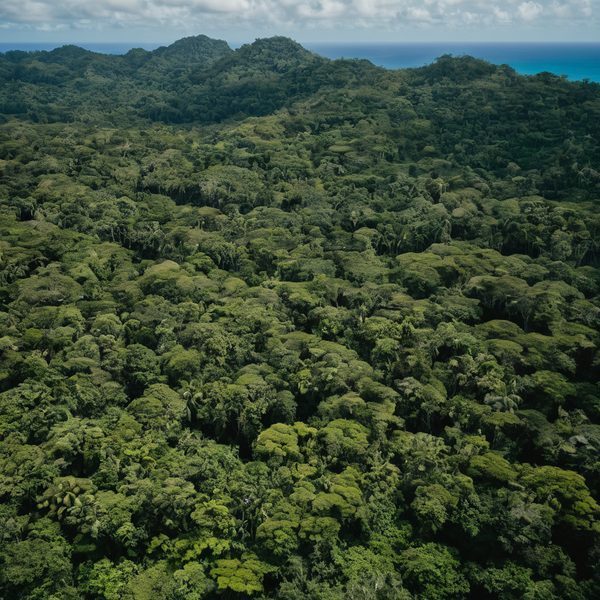
Remengesau’s chapter details a high-profile incident on Angaur, one of Palau’s 16 states, where construction of a tactical mobile over-the-horizon radar site proceeded without the environmental earthmoving permits and community consultations required under Palauan law. According to the report, 271,807 square metres of land were cleared for the site; shredded tree debris from the clearing was later dumped on residents’ yards in a hurried response that the report says created conditions inviting infestation by the invasive coconut rhinoceros beetle.
The environmental breach prompted legal action: in 2023 Angaur Governor Steven Salii filed suit against Palau’s central government, the Palau Environmental Quality Protection Board, the US government and its military contractors, alleging violations of Palauan environmental law and compact commitments for disturbing the property without an environmental impact assessment or permit.
The report frames the Angaur episode in the broader context of Palau’s shifting geostrategic role. Under the renegotiated Compact of Free Association, the United States pledged an US$890-million assistance package to Palau over 20 years, a cycle that began on October 1, 2023. The compact grants the US military exclusive use of Palauan land, waters and airspace for defence purposes, and the report notes that because a large portion of Palau’s national budget derives from compact funds and foreign aid, Washington’s defence needs are likely to drive further military activity on the islands.
One major project cited in the report is a US$118-million radar programme. The report and associated coverage indicate the installation — described variously as shoreline and over-the-horizon radar systems initially presented to Palau as a single, jointly used infrastructure — has been reconfigured and expanded, with US planners anticipating operations next year. That build-up, the report warns, is occurring amid increasing geopolitical competition between the United States and China.
The timing of the report — and Palau’s inaugural State visit to New Zealand by President Surangel Whipps Jr. — underscores the diplomatic tightrope Palau faces: balancing development and security partnerships while safeguarding environmental laws and local consultation processes. The Pacific Centre for Island Security’s findings add fresh evidence to calls by local leaders and civil society for stronger oversight and clearer enforcement of environmental and sovereign protections in the face of accelerated militarisation.
Palau’s trajectory will be watched closely by Pacific neighbours and donor partners. The report concludes that without improved transparency, consultation and compliance with domestic environmental safeguards, the nation’s “peace and sovereignty as its people once knew it” risk being reshaped by enlarged foreign military presence and strategic competition.
Leave a comment