A new report by a Guam-based security think tank has intensified scrutiny of the growing U.S. military presence in Palau, just as Palauan leader Whipps undertakes a historic first State visit to New Zealand. The Micronesia Security Outlook 2025, published by the Pacific Centre for Island Security, says safeguards negotiated under the Compact of Free Association have been eroded by an accelerated military build-up that has left communities sidelined and environmental protections undermined.
Jodean Remengesau, director of the Bureau of Agriculture in Palau’s Ministry of Agriculture, Fisheries and the Environment, authored the Palau chapter of the report and directly accuses the U.S. military of failing to meet compact obligations. “The U.S military had missed and fell short of fulfilling its duties and responsibilities under the compact of the U.S with Palau,” Remengesau writes, citing examples where required environmental standards and community consultations were not observed.
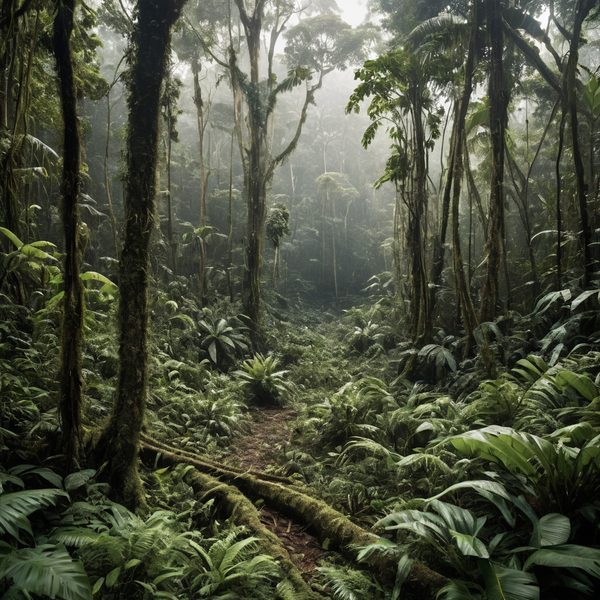
The report details a high-profile case on the state of Angaur, where it says the U.S. military cleared 271,807 square metres of land to prepare a site for a tactical mobile over-the-horizon radar system without obtaining an environmental earthmoving permit or holding consultations mandated by Palauan law. Remengesau warns that piles of shredded tree debris at the site invited infestation by the invasive coconut rhinoceros beetle and that, in a rushed response, some of that debris was dumped on residents’ yards — an outcome the compact’s environmental stipulations were designed to prevent.
Angaur Governor Steven Salii has already taken legal action over the clearing. In 2023 he sued Palau’s central government, the Palau Environmental Quality Protection Board, the U.S. government and its military contractors, alleging breaches of Palauan environmental laws and the compact for disturbing the property without an environmental impact assessment or required permits. The PCIS report uses that litigation and community complaints to argue that established “guardrails” on militarisation are being rendered ineffective.
The report also frames these developments within broader geopolitics. Under the renegotiated compact, the United States pledged an US$890 million package to Palau over 20 years, a funding cycle that began on 1 October 2023 and underpins a significant portion of Palau’s national budget. That financial dependency, the report says, increases the likelihood Palau will be used more extensively for U.S. and allied security objectives as U.S.-China tensions in the region deepen. The U.S. military’s US$118 million radar project in Palau is expected to be operational this year, the report notes.
The PCIS report further alleges that a shoreline radar project originally presented as a single, jointly used system was later implemented as separate installations — a development the authors say was not fully disclosed to local communities. Palauan officials, including Remengesau and Governor Salii, are now urging greater transparency, environmental oversight and respect for legal processes as the island nation navigates the trade-offs between security partnerships and environmental stewardship.
Whipps’s State visit to New Zealand, described by Palauan officials as the country’s first, occurs against this backdrop of mounting local unease over militarisation and environmental impacts. The report’s publication and ongoing litigation in Angaur make the debate over sovereignty, ecological risk and foreign military activity an immediate diplomatic and domestic issue for Palau’s leadership.
Leave a comment