A new Guam-based think‑tank report warns that accelerated US military activity in Palau is sidelining environmental safeguards and eroding local control, a development spotlighted as Palau’s president undertakes a historic first State visit to New Zealand.
The Pacific Centre for Island Security’s Micronesia Security Outlook 2025 says the “guardrails” intended by the Compact of Free Association to protect Palau’s environment and sovereignty have been rendered ineffective by rapid militarisation that has left communities out of consultations. Jodean Remengesau, director of the Bureau of Agriculture in Palau’s Ministry of Agriculture, Fisheries and the Environment, authored the Palau chapter and contends the US military has “missed and fell short of fulfilling its duties and responsibilities under the compact of the U.S with Palau,” particularly on environmental obligations.
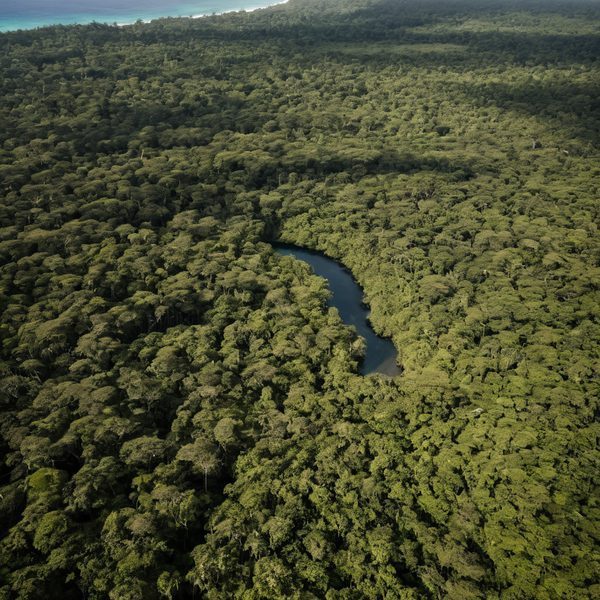
The report details a high‑profile example on the western island of Angaur, where the US cleared 271,807 square metres of land for a tactical mobile over‑the‑horizon radar site without obtaining an environmental earthmoving permit or conducting required community consultations. Remengesau says debris from the clearance — “piles of shredded tree debris” — created conditions inviting invasion by the coconut rhinoceros beetle and was later rushedly distributed onto residents’ yards in attempts to manage the problem, actions the report says the compact’s environmental stipulations were meant to prevent. Angaur Governor Steven Salii filed suit in 2023 against Palau’s central government, the Palau Environmental Quality Protection Board, the US government and its contractors alleging breaches of Palauan environmental law and compact terms over that clearance.
The report also flags a shift in infrastructure plans. What was initially presented as a single shoreline radar intended for mutual use by Palau and US forces has “turned out to be two separate” installations, and a US$118 million radar project is expected to be operational this year. Analysts and local officials quoted in the report say that, coupled with the US pledge of an US$890 million aid package to Palau over 20 years that began on October 1, 2023, the Compact’s financial leverage is entwining Palau more deeply with US and international security objectives.
That mix of heavy investment, defence guarantees and domestic budget dependence on compact funds has raised fresh concern about how much say Palauan institutions and communities retain over land, waters and airspace designated for military use. “The island nation’s peace and sovereignty as its people once knew it has been increasingly compromised by accelerated militarization,” the report states, while conceding Palau’s geostrategic position may make deeper involvement in regional security almost inevitable amid rising US‑China tensions.
President Surangel Whipps Jr.’s State visit to New Zealand on April 13, 2026, arrives against this background of local unease and legal challenges, underscoring how Palau’s security decisions are playing out not only in regional capitals but in courtrooms and villages. The Pacific Centre for Island Security report makes clear the dispute is not only about basing and hardware but about the implementation of environmental protections and the balance between national sovereignty and external defence commitments — issues likely to shape Palau’s diplomacy and domestic politics in the months ahead.
Leave a comment