Palau’s rapid militarisation is provoking fresh unease at home even as the island nation expands its diplomatic ties abroad, a new regional security report says. The Guam-based Pacific Centre for Island Security’s Micronesia Security Outlook 2025 — whose Palau chapter was authored by Jodean Remengesau of Palau’s Bureau of Agriculture — warns that safeguards in U.S.–Palau agreements meant to protect the environment and Palauan sovereignty have been weakened by an accelerated U.S. military buildup that has often excluded local consultation.
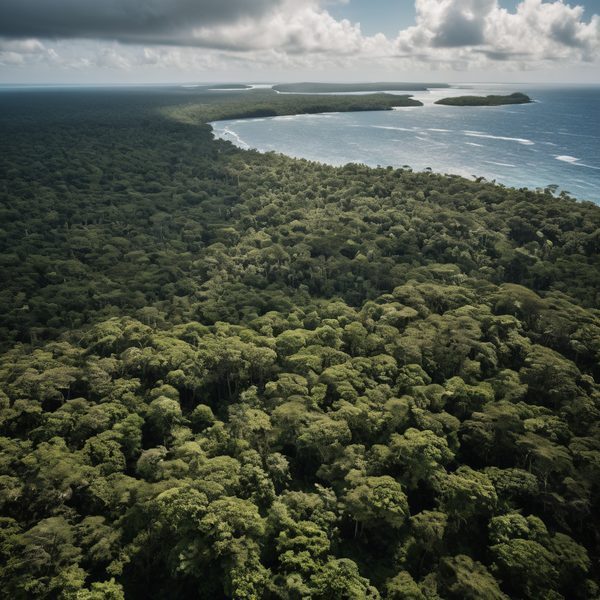
The report singles out an instance on the island of Angaur where U.S. forces cleared some 271,807 square metres for an over-the-horizon tactical mobile radar site without securing required environmental earthmoving permits or carrying out mandated community consultations. Remengesau documents that shredded tree debris left at the site invited infestation by invasive coconut rhinoceros beetles and that piles of debris were later dumped on residents’ yards in a rushed cleanup — actions he says flout the environmental stipulations embedded in the Compact of Free Association.
The Angaur clearing prompted legal action in 2023: Angaur Governor Steven Salii sued Palau’s central government, the Palau Environmental Quality Protection Board, the U.S. government and its military contractors alleging violations of Palauan environmental law and compact obligations for disturbing the land without an environmental impact assessment or permits. The Pacific Centre report cites Salii’s suit as emblematic of wider public frustration that decisions with long-term ecological and social consequences are being made with limited Palauan input.
The report notes the compact renegotiation that came into effect on October 1, 2023, which included an US$890 million assistance package to Palau over 20 years and reaffirmed U.S. defence responsibilities. Those financial ties, the authors say, complicate public debate because compact funds and foreign aid now make up a large portion of Palau’s national budget, increasing the likelihood that Palau will be drawn into broader U.S. and allied security objectives in the region.
Among the projects driving concerns is a US$118 million U.S. military radar programme in Palau, which the report says is expected to become operational in 2026. The report also highlights a shift in how infrastructure has been presented to local authorities: what was initially portrayed as a single shoreline radar tower for mutual use by Palau and the U.S. later materialised as separate installations, raising questions about transparency and the full extent of military activity on Palauan territory.
The findings arrive as Palau’s president, Whipps, this week made a historic first State visit to New Zealand — a milestone in Palau’s growing diplomatic engagements and a reminder that island states are seeking broader international partnerships even as strategic competition in the Pacific intensifies. The report frames the current period as one in which Palau’s peace and sovereignty, as previously experienced by its people, face new pressures from accelerated militarisation, while also acknowledging the security and economic trade-offs Palauan leaders confront under changing geopolitics.
Leave a comment