A new Guam-based security study says the accelerated build-up of U.S. military infrastructure in Palau has outpaced the legal and environmental safeguards meant to protect the island nation — a development that comes as Palau’s leader, President Whipps, has made a historic first State visit to New Zealand this week.
The Pacific Centre for Island Security’s Micronesia Security Outlook 2025, with the Palau chapter authored by Jodean Remengesau of Palau’s Ministry of Agriculture, Fisheries and the Environment, warns that guardrails in U.S.–Palau agreements are being undermined by rapid militarisation. “The U.S. military had missed and fell short of fulfilling its duties and responsibilities under the compact of the U.S with Palau,” Remengesau writes, saying Palauans have been left out of consultation processes and that required environmental standards have not always been met.
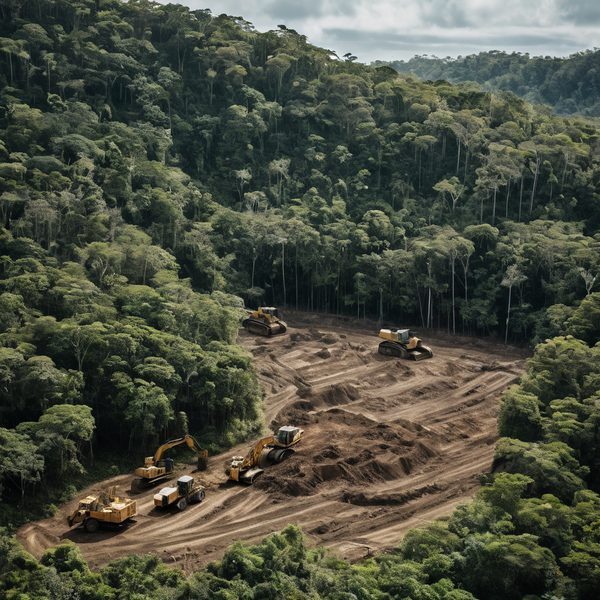
The report highlights a specific incident on Angaur, one of Palau’s 16 states, where the U.S. military cleared land for the first site of a tactical mobile over-the-horizon radar system without obtaining a Palauan environmental earthmoving permit or conducting community consultations, actions the report says are required under Palauan law. It alleges that shredded tree debris from the clearing created conditions inviting an invasive coconut rhinoceros beetle infestation and that, in an apparent rushed response, the debris was later dumped on residents’ yards — an outcome the compact’s environmental stipulations were designed to prevent.
Those actions prompted legal action in 2023. Angaur Governor Steven Salii sued Palau’s central government, the Palau Environmental Quality Protection Board, the U.S. government and its military contractors, alleging violations of Palau environmental laws and compact agreements after 271,807 square metres of land on Angaur were cleared without an environmental impact assessment or permits. The new report revisits those allegations and frames them as part of a broader pattern of concern over how military activities are being implemented on Palauan soil.
The report notes the renegotiated Compact of Free Association between Palau and the United States includes a US$890 million package for Palau over 20 years, with funding cycles that began on October 1, 2023, and reiterates the United States’ defence commitments. It also flags a US$118 million U.S. radar project in Palau that is expected to be operational this year, and warns that Palau’s geopolitical position amid U.S.–China tensions may draw the island more tightly into international security objectives — with consequences for sovereignty, environment and public trust.
The timing of the report, issued as President Whipps undertakes the first Palauan State visit to New Zealand, underlines the diplomatic stakes for Palau as it seeks to balance security partnerships with environmental protection and domestic legal obligations. The Pacific Centre for Island Security’s findings make clear that the dispute is no longer only about strategic positioning: it raises immediate legal and environmental questions that could shape the operation of new military infrastructure coming online in 2026 and the island nation’s ability to safeguard its communities and natural resources. Further developments, including the outcome of ongoing legal challenges and any responses from U.S. defence authorities or Palau’s central government, will be critical to watch as installations are completed and commissioned later this year.
Leave a comment