A new Pacific security report and a historic diplomatic outreach by Palau’s president have sharpened scrutiny of the rapid expansion of U.S. military infrastructure in the island nation, raising fresh questions about environmental protections and sovereignty.
The Guam-based Pacific Centre for Island Security’s Micronesia Security Outlook 2025 warns that “guardrails” intended to protect Palau’s environment and local decision-making under the Compact of Free Association are being undermined by an accelerated military buildup that has left communities out of the loop. Jodean Remengesau, author of the Palau segment and director of the Bureau of Agriculture at Palau’s Ministry of Agriculture, Fisheries and the Environment, says the U.S. military has “missed and fell short of fulfilling its duties and responsibilities under the compact,” particularly regarding environmental standards and consultative processes.
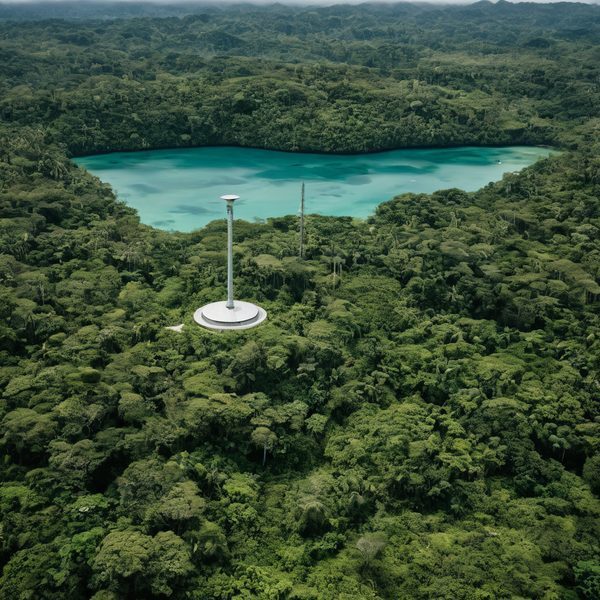
The report cites a concrete example on Angaur, one of Palau’s 16 states, where the U.S. cleared 271,807 square metres of land for a tactical mobile over‑the‑horizon radar site without obtaining an environmental earthmoving permit or holding required community consultations. Remengesau says crews left “piles of shredded tree debris” that increased the risk of invasive coconut rhinoceros beetle infestation; some of that material was later dumped on residents’ yards in an apparent rush to manage the problem. Angaur Governor Steven Salii sued Palau’s central government, the Palau Environmental Quality Protection Board, the U.S. government and its contractors in 2023, alleging violations of Palauan environmental laws and compact obligations tied to the clearing.
The report’s findings come as the U.S. has pledged an US$890 million package to Palau over 20 years under the renegotiated compact, a cycle that began on October 1, 2023, and as Washington asserts expanded defence arrangements across the western Pacific amid competition with China. The U.S. Department of Defense’s US$118 million radar project in Palau is expected to be operational this year, and the report notes that infrastructure initially described as a single, mutually used shoreline radar system later emerged as two separate installations — a detail that fuelled local concern about transparency and scope.
Palau’s changing geopolitical position — and the deep fiscal dependence on compact funds and foreign aid — are central to the report’s argument that increasing militarisation risks compromising the island nation’s peace and sovereignty. “Since a large portion of Palau’s national budget comes from compact funds and foreign aid, the military is anticipated to make further use of Palau,” the report states, underscoring how financial dependency can limit domestic leverage over defence decisions.
Palauan President Surangel Whipps Jr. made a historic first state visit to New Zealand this month, a diplomatic milestone observers say signals Palau’s effort to broaden regional engagement amid growing anxieties over militarisation. Analysts point out the timing of the visit is significant: as security investments arrive, Palau’s leadership appears to be seeking stronger ties with other Pacific partners concerned about environmental stewardship and regional stability.
The Pacific Centre for Island Security’s assessment is the latest development in an intensifying debate across the region about how to reconcile strategic partnerships with the need to protect small island states’ environmental laws, customary land rights and long‑held notions of sovereignty. The report recommends stronger oversight, clearer environmental compliance by overseas security partners, and improved engagement with affected communities to prevent further legal disputes and social strain.
Leave a comment