A new report by the Guam-based Pacific Centre for Island Security says recent United States military activity in Palau has outpaced the environmental and sovereign safeguards written into the US-Palau Compact, warning that accelerated militarisation has left local communities sidelined and legal protections undermined.
The Micronesia Security Outlook 2025’s Palau chapter, authored by Jodean Remengesau — director of the Bureau of Agriculture in Palau’s Ministry of Agriculture, Fisheries and the Environment — details what it calls specific failures by the US military to meet Palauan environmental requirements. “The U.S military had missed and fell short of fulfilling its duties and responsibilities under the compact of the U.S with Palau,” Remengesau writes, pointing to a high-profile incident on Angaur island.
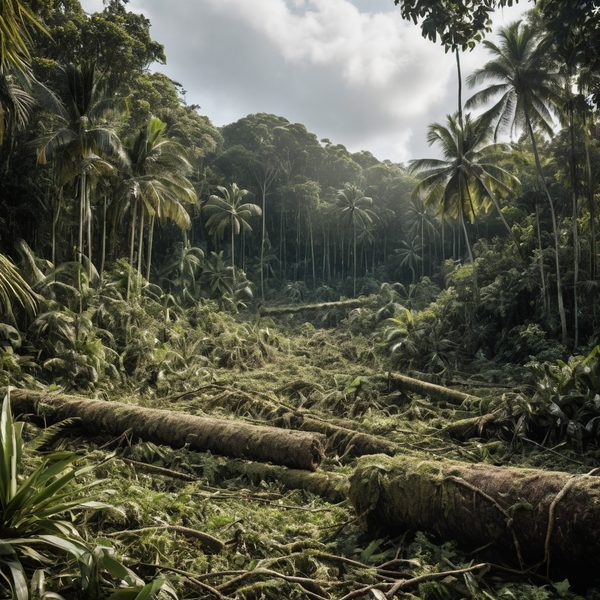
According to the report, contractor work for the first site of a US tactical mobile over-the-horizon radar system on Angaur proceeded without an environmental earthmoving permit and without required community consultations under Palauan law. The clearing produced piles of shredded tree debris that the report says invited infestation by the invasive coconut rhinoceros beetle; those waste piles were later dumped in residents’ yards in what the report describes as a rushed effort to manage the problem.
The Angaur episode prompted legal action in 2023. Governor Steven Salii sued Palau’s central government, the Palau Environmental Quality Protection Board, the US government and its military contractors, alleging violations of Palauan environmental statutes and compact stipulations after some 271,807 square metres of land were cleared without an environmental impact assessment or the necessary permits. The report cites the suit to illustrate mounting local dissatisfaction and the potential legal consequences of development undertaken without statutory safeguards.
The findings come against a backdrop of an upgraded Compact of Free Association: under the renegotiated agreement, the United States pledged an US$890 million package to Palau over 20 years, a funding cycle that began on October 1, 2023. The report acknowledges that Palau’s expanded geostrategic role amid US–China competition and its fiscal dependence on compact funds may increase the country’s involvement in US and allied security objectives — but it cautions that those strategic gains have been accompanied by a weakening of the “guardrails” designed to protect environment and sovereignty.
Remengesau’s chapter also notes that the US$118 million radar project is expected to be operational this year and raises questions about transparency and the original framing of installations. What was initially presented as a single shoreline radar tower for mutual use with Palau, the report says, effectively became two separate installations, a shift that has fuelled concerns over the extent of US control over Palauan land, waters and airspace under the compact.
The Pacific Centre for Island Security report signals a fresh wave of scrutiny over how defence infrastructure is being introduced in the Pacific and underscores an urgent policy tension for Palauan authorities: balancing strategic partnerships and budgetary reliance on compact funds against statutory environmental protections, community consultation requirements and local sovereignty. With the radar due to come online this year and unresolved litigation stemming from the Angaur clearance, the report frames immediate implications for governance, environmental protection and Palau’s place in broader regional security dynamics.
Leave a comment