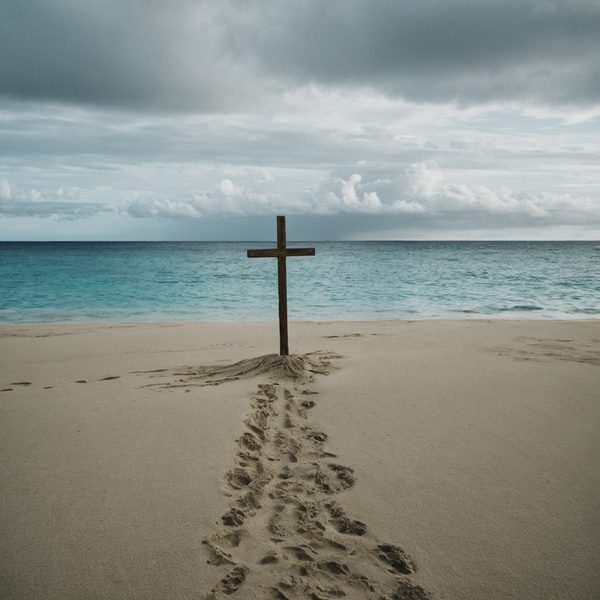
Jerry Pillay, General Secretary of the World Council of Churches (WCC), told Pacific church leaders meeting in Fiji that the Christian message has profound resonance in the region because it speaks directly to lives shaped by the sea, historical wounds and the mounting consequences of climate change. In remarks delivered at a Pacific Council of Churches gathering, Rev. Prof. Dr Pillay said the ocean is “both life and danger” for many Pacific peoples and drew that duality into a wider reflection on faith amid suffering.
“For many Pacific peoples, the ocean is both life and danger,” Pillay said. “It feeds, connects, and sustains—but it can also threaten and overwhelm.” He framed that reality as a lens for understanding Jesus’ presence: to “see Jesus in a Pacific context is to recognize Him as present in the midst of the storm—not absent from it.” His comments underscore a pastoral approach that locates God not apart from hardship but within it.
Pillay stressed that Christianity in the Pacific must reckon with historical hurt. “Many islands carry wounds—of colonisation, displacement, loss of land… and climate catastrophe,” he said, noting that these collective scars shape communal memories and present vulnerabilities. Yet he argued those wounds need not determine the future: “The scars remain, but they no longer define the future… they become testimonies of God’s goodness and presence,” he told attendees.
A recurring theme of Pillay’s address was the theological significance of suffering. “The true Christ is known by His scars… God meets us in suffering, not apart from it,” he said, linking the cruciform image of a wounded Christ to Pacific experiences of loss and resilience. That theological framing seeks to move churches beyond simple consolation toward a theology that validates grief while calling for active engagement with the causes and consequences of pain.
Pillay also highlighted the cultural power of storytelling in Pacific communities, arguing that the narrative of Jesus — including his wounds — can meet and transform local stories. “The story of Jesus’ wounds is God’s story of love—a story that meets our own and transforms it,” he said, pointing to story-telling as a bridge between faith and lived experience in the region.
Importantly, Pillay rejected any notion of faith as purely private solace. “Seeing Jesus is never just a private experience… it leads to mission,” he said. His closing appeal was practical: faith must translate into action. That call carries implications for Pacific churches confronting land loss, displacement and the social impacts of environmental decline — areas where religious networks often play crucial roles in relief, advocacy and community cohesion.
Pillay’s address adds to ongoing conversations between regional churches and international ecumenical bodies about how faith communities should respond to the twin pressures of historical injustice and the accelerating climate crisis. By centring the Pacific’s maritime realities, collective memories and storytelling traditions, the WCC leader urged a theology that both consoles and compels, insisting that recognition of Christ in suffering should lead to tangible mission and transformation.
Leave a comment