A new report by the Guam-based Pacific Centre for Island Security says an accelerated US military buildup in Palau is eroding environmental safeguards and sidelining Palauan communities, renewing debate over sovereignty and oversight as a major radar project nears operation. The Micronesia Security Outlook 2025, which includes the Palau chapter authored by Jodean Remengesau of Palau’s Bureau of Agriculture, Fisheries and the Environment, warns that existing “guardrails” in compact arrangements are failing to protect the island nation’s environment and public involvement.
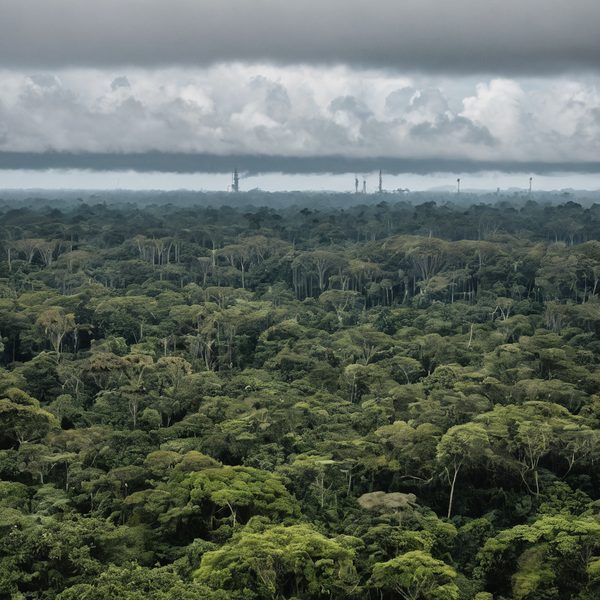
Remengesau’s contribution highlights a series of concrete complaints, including the clearing of land on Angaur for a tactical mobile over‑the‑horizon radar system without required Palauan environmental permits or community consultations. The report says the U.S. military did not obtain an environmental earthmoving permit before disturbing the site, and that shredded tree debris from the clearing was later dumped on residents’ yards, creating conditions that invite invasive coconut rhinoceros beetle infestation — an outcome the compact’s environmental provisions were meant to prevent.
The Angaur controversy has already played out in Palau’s courts. In 2023, Angaur Governor Steven Salii filed suit against Palau’s central government, the Palau Environmental Quality Protection Board, the U.S. government and military contractors over the clearing of 271,807 square metres of land without an environmental impact assessment or permits. The new think‑tank report renews scrutiny of that episode and frames it as symptomatic of broader problems arising from rapid militarisation.
The report also draws attention to how infrastructure proposals have been presented. It notes that an installation of a shoreline radar tower system, initially portrayed as a single, jointly used facility, later materialised as two separate installations — a detail that the authors say undercuts transparency about the scale and purpose of projects sited in Palau. The U.S. military’s $118 million radar project is expected to be operational in 2026, the report notes, placing urgency on resolving outstanding environmental and governance questions.
Palau’s shifting strategic position under the renegotiated Compact of Free Association is central to the dispute. The compact grants the U.S. military exclusive use of Palauan land, waters and airspace while obliging adherence to environmental standards; it also includes an US$890 million aid package to Palau spread over 20 years that began on October 1, 2023. The report concedes that compact funds and broader geopolitical pressures — notably U.S.-China rivalry in the region — incentivise closer security cooperation, but argues that accelerated militarisation risks compromising Palau’s autonomy and long‑standing ways of life.
The publication of the Micronesia Security Outlook 2025 comes as Palauan President Surangel Whipps Jr. completed a historic first state visit to New Zealand, underscoring how Palau is increasingly navigating diplomatic currents beyond its traditional partners. Observers say the convergence of high‑profile diplomatic outreach, new and costly defence infrastructure, outstanding legal challenges and environmental concerns makes this a pivotal moment for Palau as it balances economic and security benefits against community rights and environmental protection.
Leave a comment