
UN climate chief Simon Stiell has warned that rising fossil fuel costs are driving global instability and squeezing economies, calling for urgent, measurable action to avert what he described as “fossil‑fuel driven stagflation.” Speaking at the Petersberg Climate Dialogue in Berlin on Tuesday, Stiell said recent conflicts have “locked‑in much higher fossil fuel costs for months and likely years to come,” a shock that is already pushing up prices, slowing growth and forcing governments into deeper debt.
“These are perilous times,” Stiell told delegates, adding that higher energy prices are “delivering a gut‑punch to every nation and billions of households.” He urged that climate cooperation must be central to responses that address both economic and environmental threats, arguing that an accelerated clean energy transition would restore security and affordability and “return sovereignty to nations and their peoples.”
Marking a shift from negotiation to delivery, Stiell pushed for the Action Agenda — the UN’s implementation vehicle for climate commitments — to be elevated alongside formal talks. “Negotiations are one — and they remain critical. Now, in this era of implementation – we must turn them into projects on the ground,” he said, claiming the Action Agenda has been “mobilizing trillions of dollars within the real economy” and that the clean energy transition is now irreversible. He urged measurable progress ahead of the second global stocktake at COP33.
Stiell highlighted immediate priority areas where implementation can bring rapid climate and economic benefits: energy systems, methane reduction and food systems. He warned that methane is an “ultra‑potent greenhouse gas” and said slashing methane emissions by 2030 would have a “huge impact on putting the brakes on global heating.” He also stressed resilience measures, including early‑warning systems, as vital to saving lives and protecting livelihoods from increasingly destructive weather.
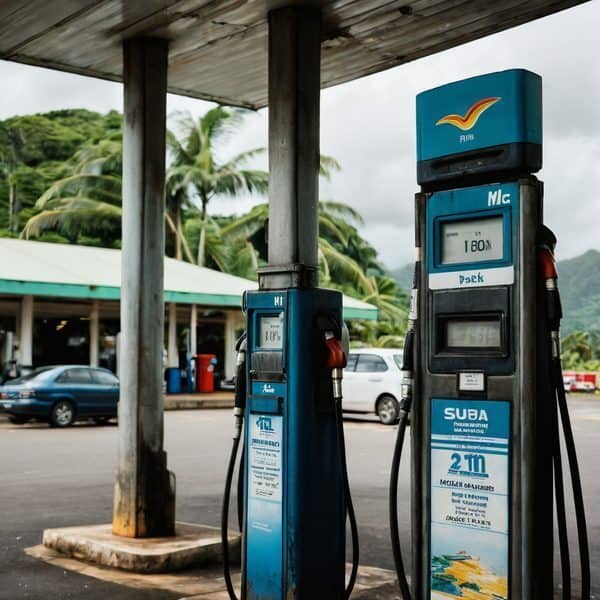
The warning lands amid growing concern in the Pacific about rising fuel and food costs linked to geopolitical tensions in the Middle East and risks to shipping through the Strait of Hormuz. Regional analysts and organisations have for months been urging Pacific island countries to brace for oil‑price volatility; Fiji and other Pacific leaders have repeatedly pressed for climate justice and predictable finance to support a fair transition away from fossil fuels. Stiell’s call for “far more finance flowing into developing countries” echoes those demands.
The Petersberg address reinforces a diplomatic push — echoed elsewhere by UN Secretary‑General António Guterres — to “unleash the renewables revolution” and to translate pledges made under the Paris Agreement into concrete investments and on‑the‑ground projects. For small island and developing states facing tight budgets and high import costs, the emphasis on implementation and development finance frames the coming months as a critical window to secure funding and projects that can blunt the economic shock of high fossil fuel prices while accelerating the low‑carbon transition ahead of COP33.