
BERLIN, 21 April 2026 — United Nations Climate Change Executive Secretary Simon Stiell warned at the Petersberg Climate Dialogue on Tuesday that a spiralling fossil fuel crisis, exacerbated by the Iran war, is driving global instability and squeezing households and governments alike. Stiell said the spike in fossil fuel prices has delivered a “gut‑punch to every nation and billions of households” and is feeding what he called “fossil‑fuel driven stagflation” across world economies.
Speaking at the opening of the Berlin forum, Stiell painted a stark picture of the economic fallout: rising prices, falling growth, mounting public debt and shrinking policy space that undermine national sovereignty and social protections. “Fossil‑fuel driven stagflation is now stalking economies – driving up prices, driving down growth, pushing budgets deeper into quagmires of debt, and stripping away governments’ policy options and autonomy,” he said, urging climate cooperation as a central tool to counter both economic and environmental threats.
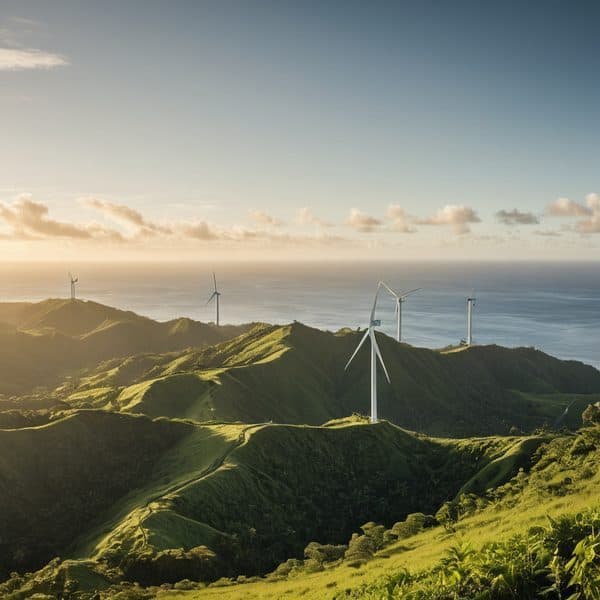
Stiell reiterated that accelerating the clean energy transition is essential not only for climate goals but for energy security and affordability. “Clean energy offers security and affordability – returning sovereignty to nations and their peoples,” he said, adding that while negotiations under the Paris Agreement have yielded landmark commitments, the focus must now shift to implementation. “Negotiations are one – and they remain critical. Now, in this era of implementation – we must turn them into projects on the ground,” he told delegates.
A key plank of Stiell’s message was the Action Agenda, which he said has been “mobilizing trillions of dollars within the real economy” and driving an irreversible shift to clean energy. He called for elevating the Action Agenda to sit alongside negotiations, stressing that scaling up projects and finance in both the global North and South is vital. Stiell demanded “far more finance flowing into developing countries” and stronger government cooperation to deliver measurable outcomes.
Looking ahead, Stiell set a tangible benchmark: he wants measurable progress before the second global stocktake at COP33 in 2028 so that the commitments made at COP28 are demonstrably on track. He highlighted priority areas where rapid action would yield outsized benefits — energy systems, methane reduction and food systems — and urged immediate steps to cut methane by 2030, calling the gas “an ultra‑potent greenhouse gas” whose rapid abatement could slow near‑term warming. He also underscored the need for resilience investments, noting the life‑saving value of early warning systems.
Stiell’s intervention comes as Pacific Island countries and other developing economies face immediate shocks from higher fuel and fertiliser costs. Regional analysts have warned that volatility in routes such as the Strait of Hormuz and geopolitical tensions in the Middle East are already raising energy bills and food import costs for island states. Pacific leaders, including Fiji’s recent calls for climate justice and support for a managed transition away from fossil fuels, will be watching whether the finance and implementation Stiell demands materialise into concrete projects and funding flows.
At the Petersberg Dialogue, UN Secretary‑General António Guterres also urged nations to “unleash the renewables revolution,” underscoring a coordinated push for rapid deployment of clean energy technologies. Stiell’s remarks signal a shift in the UN climate agenda from negotiation to delivery, with an explicit timeline and economic framing intended to broaden political support ahead of COP33.