renewable energy
-
UN Climate Chief Pushes Fast Clean-Energy Rollout as Fossil-Fuel Stagflation Threatens Budgets
Rising fossil-fuel costs and global shocks are described as a new form of stagflation threatening budgets and households. A senior UN climate official argues for moving from negotiations to rapid on-the-ground clean-energy action, backed by trillions already flowing into the real economy to secure energy, economy, and resilience.
-
UN climate chief urges immediate clean-energy push as fossil fuel costs strain economies
Fossil-fuel costs are tightening the global economy and hitting vulnerable communities hardest. A top UN climate official says the moment for action is now, urging an immediate shift to clean energy, methane cuts, and stronger resilience. The next steps could redefine energy security and economic stability amid growing climate pressures.
-
Stiell warns fossil-fuel price surge risks stagflation, urges rapid clean-energy rollout at Petersberg Dialogue
Fossil-fuel prices are fueling global instability, warns a top UN climate official. The call: move from promises to real, on-the-ground clean-energy action—and ramp up funding for those most exposed to climate shocks.
-
UN climate chief warns fossil-fuel price spike could last years, urges rapid clean-energy shift
Rising fossil-fuel costs driven by conflict threaten global economic stability for months—perhaps years, a top UN climate official warns. He says this “fossil-fuel driven stagflation” tightens policy space and underscores the urgency of accelerating the energy transition and ramping up climate finance.
-

UN Climate Chief Urges Rapid Action and Finance Push to Cut Methane by 2030 and Accelerate Clean-Energy Projects
Rising fossil-fuel costs and global instability threaten economies and security worldwide, pushing climate talks toward urgent action. A top UN climate official urges fast, concrete steps—reforming energy systems, slashing methane, and delivering resilience finance—before the next review. The warning highlights how vulnerable regions, like small island states, stand to bear the heaviest costs.
-
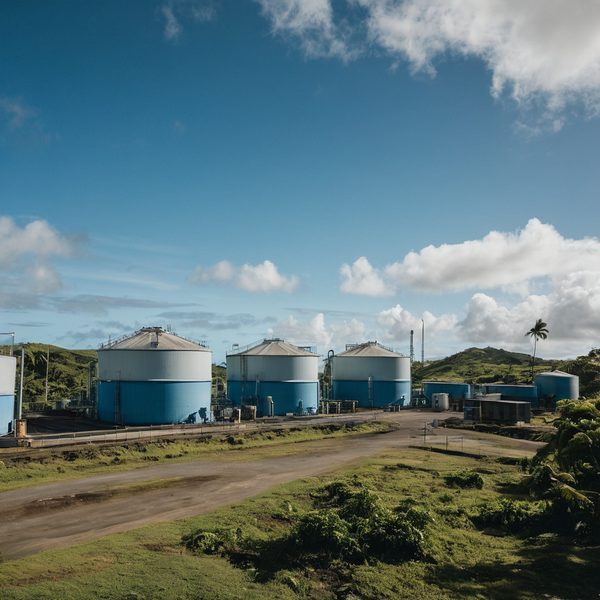
Fiji urged to boost fuel security and fast-track renewables to curb imported inflation as oil prices climb
Rising global fuel prices could ripple through Fiji’s economy far beyond shortages, threatening inflation and household purchasing power. A senior former minister warns that quick reforms—stronger fuel reserves, diversified imports, and a faster shift to renewables—could blunt the impact and shield everyday costs.
-
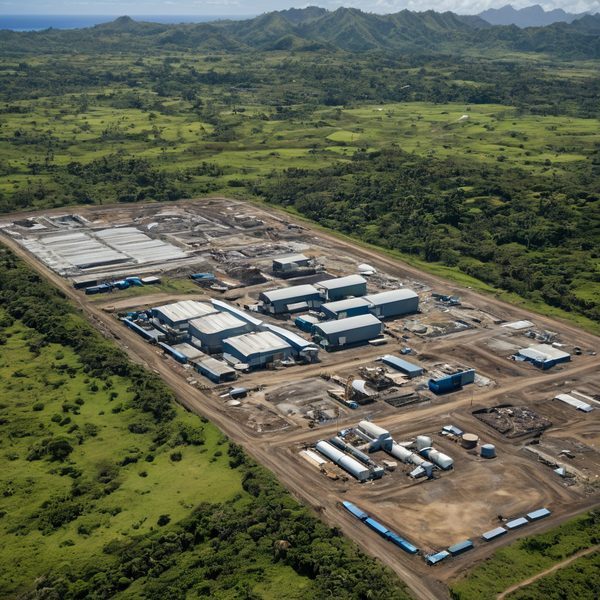
Public consultations begin in Fiji as Vuda waste-to-energy project advances after EIA submission
Vuda’s proposed waste-to-energy plant has entered the public consultation phase after its environmental impact assessment was filed. The plan promises local jobs and a new energy source by processing non-recyclable waste, but it has sparked fierce opposition over emissions, coastal heritage, and environmental risks as stakeholders debate the project’s future.
-
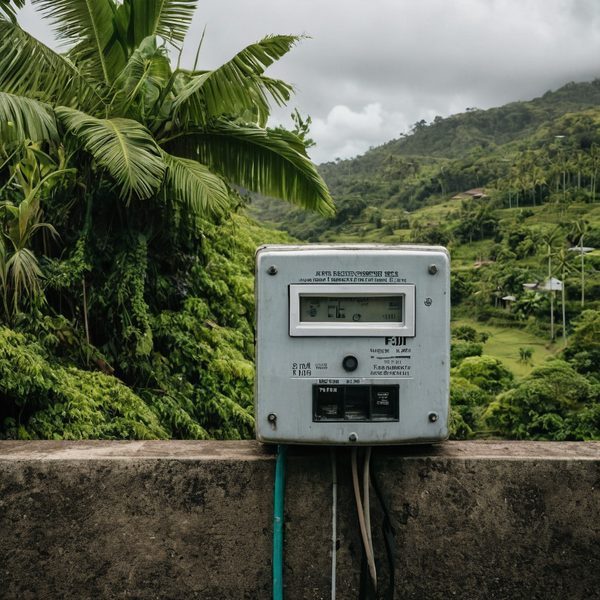
Fiji urges households to curb electricity use as fuel-price surge strains Energy Fiji Limited
Energy prices are surging worldwide, putting Fiji’s power system under pressure. EFL is urging households and businesses to cut energy use now as costs rise and demand grows, while pushing ahead with renewables to reduce dependence on imported fuel. The short-term impact on bills and the grid is unfolding.
-

Pacific presses for fast, real finance to back a fossil-fuel-free Pacific at Port Vila meeting
Ambitious renewable targets in the Pacific depend on real, rapid finance—without bureaucratic delays. The Port Vila Call for a Just Transition pushes for funding that reaches communities and speeds up practical projects, as island leaders set their sights on a global fossil-fuel transition conference later this month.
-
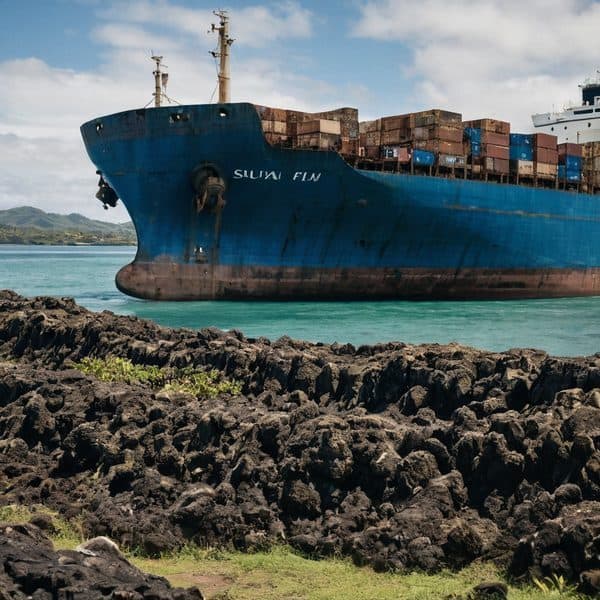
Pacific Shipping Lifeline Under Strain as Decarbonisation Push, Security Alerts and Health Crises Hit Island States
Across the Pacific, a string of fast-moving shocks tests island resilience—from fragile shipping lifelines and urgent climate action to security warnings and health emergencies. As governments chart new responses, the region faces a pivotal moment where governance, climate and commerce collide at sea.