New national data and fresh results from a mobile outreach show Fiji’s HIV epidemic has intensified sharply and that targeted, after-hours services are finding infections that conventional clinics miss.
Official figures show new HIV diagnoses surged 281 percent between 2023 and 2024, totaling 1,583 new cases in a single year. Young people are disproportionately affected: 60 percent of new infections are among 15-to-29-year-olds. Ethnic patterns in the early part of 2025 are also stark—93 percent of those diagnosed in the first half of 2025 were iTaukei Fijians—underscoring how the epidemic is concentrated in particular communities.
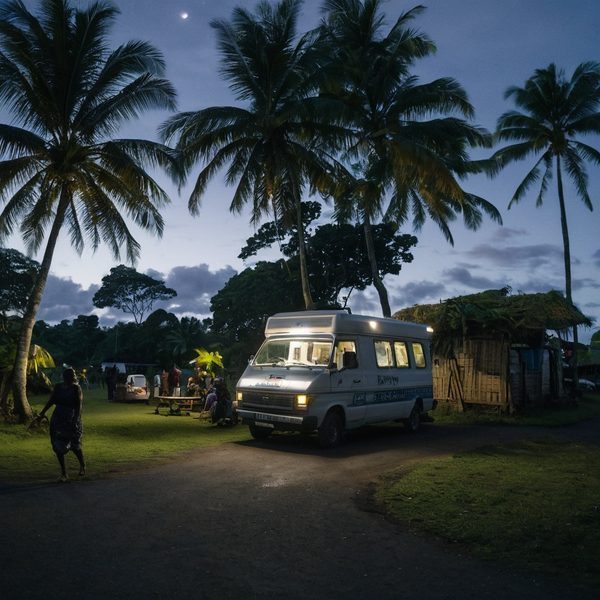
Against that backdrop, Medical Services Pacific’s Moonlight Program — a mobile, peer-led night clinic supported by a Fiji sub‑grant of $FJD125,000 through the International Planned Parenthood Federation’s Pacific HIV programme (funded by Australia’s DFAT and New Zealand’s MFAT) — has released performance data for December 2025 to March 2026 that illustrate both the scale of the challenge and the potential of outreach models. Over those four months MSP conducted 464 HIV and STI tests across three divisions, recording a reactive case rate of 8.9 per cent. For the majority of clients, those tests were their first ever.
Program demographics align closely with national trends. Forty-one per cent of those tested were under 25, matching the youth bias in new infections, while the gender breakdown was roughly balanced: 48 percent male, 47 percent female and 5 percent identifying other genders. MSP reports 44 clients were referred to the Ministry of Health for HIV management and antiretroviral therapy initiation during the quarter — a critical step in prevention and treatment cascades and a metric often used to measure linkage-to-care effectiveness.
MSP and partner organisations stress that the Moonlight Program’s high reactive rate is evidence of precise targeting rather than poor screening. The van-based clinic operates during late hours and is staffed by outreach teams that include peer educators from SAN Fiji and the Rainbow Pride Foundation Fiji, organisations trusted by sex workers and LGBTQI+ communities. Those relationships, programme staff say, are central to bringing people who would not use daytime public clinics into testing and care pathways. In several instances clients were accompanied directly to Ministry facilities to begin treatment, reducing the drop-off that commonly occurs between diagnosis and therapy initiation.
Public-health observers note the Moonlight outcomes dovetail with broader concerns about intersecting crises. Recent government and civil-society reporting has linked rising HIV infections to the nation’s escalating drug problems, particularly methamphetamine use, which has complicated prevention efforts and increased risk among key populations. The concentrated infections identified by Moonlight — and the youth-heavy age profile — highlight where prevention, harm reduction and youth-friendly services must be intensified.
This quarter’s results provide a concrete example of donor-funded, community‑led outreach producing measurable case-finding and linkage to care. Health authorities and funders will need to weigh whether to scale similar mobile, peer-staffed services across more divisions and sustain referral support, given the scale of the epidemic increase and the program’s capacity to reach populations overlooked by conventional health facilities.
Leave a comment