HIV
-

French Polynesia rolls out free condom dispensers in urgent HIV prevention drive amid rising local cases
An urgent HIV prevention push is unfolding in French Polynesia as locally transmitted cases rise and the age range widens. Free condom dispensers are going up across Tahiti and the outer islands in a discreet, universal effort to curb transmission amid a surge in other STIs. With contact tracing stretched by digital dating and anonymous…
-

Fiji HIV Prevention: Advocates Urge Keeping Abstinence in the Toolkit Amid Push for Inclusive, Culturally Sensitive Messaging
An advocate warns that abandoning abstinence in Fiji’s HIV prevention could alienate faith-based communities and weaken the national response. The debate centers on balancing traditional values with modern strategies, urging inclusive, culturally sensitive messaging and a layered approach that informs without judgment. A call for unity and practical options for all segments of society.
-

Fiji’s Moonlight Mobile HIV Testing Targets Youth, Improves Linkage to Care
In Fiji, a late‑night mobile outreach called the Moonlight Program is mapping HIV where clinics don’t reach and steering people into care when it matters most. By meeting communities—youth, Indigenous groups, nightlife crowds—where they are, this approach is reshaping testing and treatment beyond traditional health services.
-

Fiji advances toward needle-and-syringe program to curb HIV with legal checks and community engagement underway
Fiji is finalising a needle and syringe program aimed at reducing HIV among high‑risk groups. Officials say success will hinge on legal clarity, strong community buy‑in, and careful coordination of enforcement as they iron out details before any rollout.
-

Fiji HIV: 68% of New Infections in 15–40-Year-Olds, Health Officials Urge Routine Testing
New health data show HIV infections in Fiji are increasingly occurring among the country’s young and economically active—shaping a critical call for routine testing. With stigma keeping many from seeking care, officials emphasize early diagnosis and accessible treatment as essential steps to curb transmission and protect households.
-
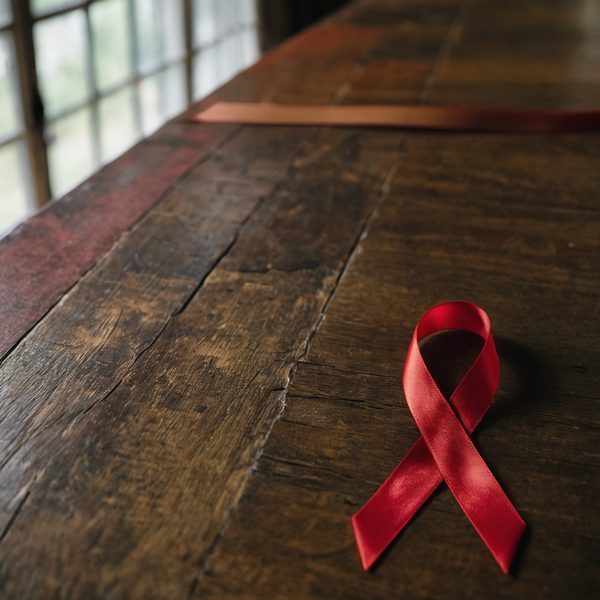
Ratu Epeli Nailatikau Remembered as a Hands-On Leader in Fiji’s HIV Response
Ratu Epeli Nailatikau wore a red ribbon every day, turning quiet acts into a powerful message of dignity for people living with HIV. This tribute highlights a leader whose hands-on approach—from clinic visits to ensuring treatment access—helped normalize HIV in Fiji and across the Pacific. A reminder that steadfast compassion can shape policy, visibility, and…
-

Fiji HIV diagnoses soar 281% as Moonlight mobile clinic targets youth and underserved communities
New data from Fiji show the HIV epidemic intensifying, with infections rising and young people hit hardest. A mobile, peer-led night-clinic outreach is identifying cases conventional clinics miss and guiding people into care, underscoring both the scale of the challenge and the promise of community-driven solutions.
-

HIV Advocate Urges Pacific Media to Report Ethically and Protect Marginalised Communities
An HIV advocate reveals how even compassionate coverage can backfire, turning personal stories into public scrutiny and harm for marginalised communities. He urges journalists to report with accuracy and care, balancing truth with the wellbeing of those they profile.
-

Fiji braces for rising HIV and TB cases, relies on existing workforce and digital tools for integrated care
Fiji is bracing for a coming surge in HIV and tuberculosis that could stretch the health system across all levels. With the growing caseload, every healthcare worker will play a role, as authorities push for integrated care and new digital tools to keep patients on track through long‑term treatment. A coordinated, system‑wide response is taking…
-

Maire Bopp: Pacific HIV Advocate Whose 1998 Disclosure Sparked Regional Change
Maire Bopp’s courage to speak openly about living with HIV helped redefine the Pacific’s approach to stigma, testing, and care. Her intimate, resilient story became a catalyst for a new generation of activists pushing for real change.