A new Guam-based security report says Palau’s accelerating role in U.S. military plans has sidelined legal and environmental safeguards and fuelled growing local dissatisfaction — an issue that has gained fresh attention as Palau’s president, Surangel Whipps Jr., undertakes the country’s first-ever State visit to New Zealand.
The Pacific Centre for Island Security’s Micronesia Security Outlook 2025, published this month, raises concerns that the guardrails written into Compacts of Free Association are proving ineffective as military infrastructure is rapidly installed. Jodean Remengesau, director of the Bureau of Agriculture in Palau’s Ministry of Agriculture, Fisheries and the Environment and the author of the Palau section, argues the U.S. has “missed and fell short of fulfilling its duties and responsibilities under the compact” by failing to meet Palau’s environmental rules in some build-up activities.
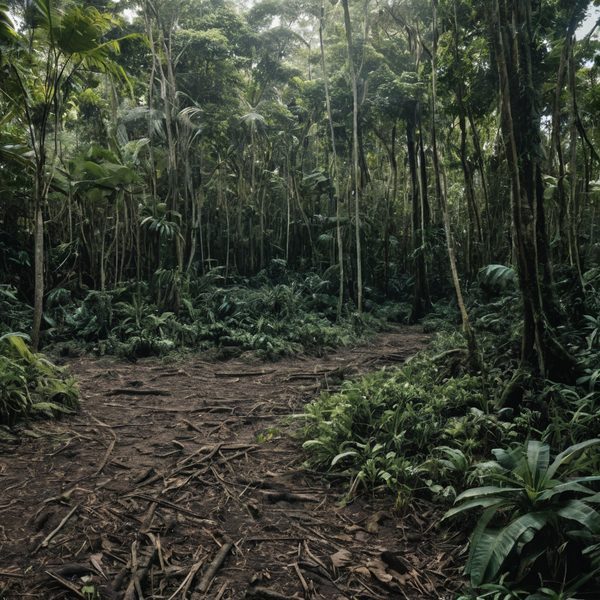
Remengesau’s report highlights a disputed clearance on Angaur, one of Palau’s 16 states, where he says the U.S. military cleared land for a tactical mobile over-the-horizon radar site without obtaining an environmental earthmoving permit or holding required community consultations. The report describes large piles of shredded tree debris — which it says created a risk of coconut rhinoceros beetle infestation — and claims that in a rushed response the waste was dumped on residents’ yards rather than handled through the environmental processes the compact was designed to guarantee.
The Angaur complaints already reached the courts in 2023, when Governor Steven Salii sued Palau’s central government, the Palau Environmental Quality Protection Board, the U.S. government and its military contractors. Salii’s suit alleged the clearing of 271,807 square metres of land without an environmental impact assessment or the necessary permits, according to the report. The litigation remains a central element of local resistance to some of the projects underpinning Palau’s growing strategic importance.
Those projects are part of a deeper shift in Palau’s relationship with the United States. Under a renegotiated compact that took effect on 1 October 2023, the U.S. pledged an US$890 million package over 20 years and retains responsibility for Palau’s defence. The report notes Palau’s heavy fiscal reliance on compact funds and other foreign aid means the islands are likely to see increased U.S. military use of territory and facilities — a prospect that has prompted debate over sovereignty and environmental protection.
One high-profile project is a US$118 million radar installation the report says is expected to be operational this year. What was initially presented as a single shoreline radar tower for joint use by Palau and the U.S. military, the report contends, effectively developed into separate facilities, exacerbating local concerns about transparency and control over land and resources.
The report frames the tensions against a backdrop of intensified U.S.-China strategic competition in the region, saying Palau’s geopolitical position makes it a focal point of broader security objectives. It warns that without stronger adherence to compact environmental stipulations and better community consultation, accelerated militarisation risks compromising the island nation’s autonomy and environmental wellbeing.
Palau’s historic State visit to New Zealand — the first of its kind by a sitting Palauan head of state — takes place as these debates over development, defence and environmental stewardship are playing out at home and across the region. The report by the Pacific Centre for Island Security brings those disputes into sharper relief and is likely to figure in discussions among Pacific partners monitoring the balance between security commitments and local rights.
Leave a comment