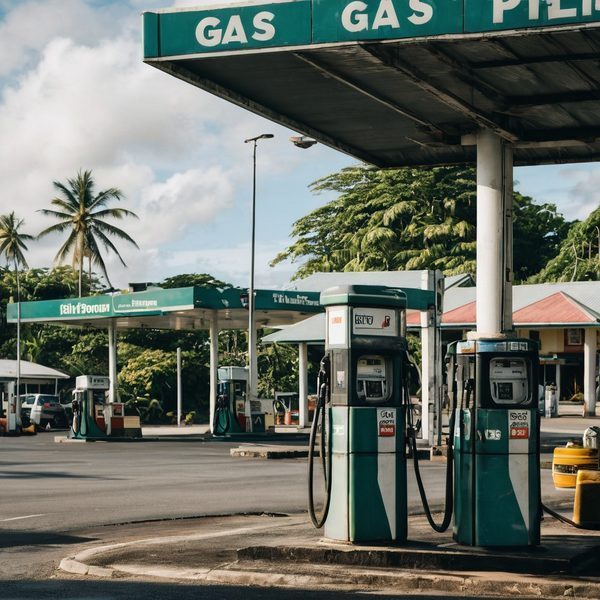
Retail prices across Fiji are poised to rise further as international fuel and freight pressures work their way into the cost of imported goods, the president of the Suva Retailers Association warned on Tuesday. Jitesh Patel said retailers are bracing for more upward pressure on operating costs even though local fuel supplies remain steady, and that most of the increase will eventually be passed on to consumers.
“We are actually expecting the price to go up because the fuel supply is there, but the price we’re buying it, that has gone up,” Mr Patel said, underscoring Fiji’s exposure as a small, import-dependent country. He pointed to supply constraints in Singapore — the source of most of Fiji’s fuel — and rising global demand as primary drivers pushing import costs higher.
Patel said retailers are already monitoring indications that international wholesale prices are increasing, citing reports from markets such as China and India where some product prices have risen by as much as five to 10 per cent. Those upstream increases, he warned, will filter into retail prices locally as shipping and logistics costs climb in tandem.
The Fiji Trades Commission, Patel said, has signalled that freight charges are on the move. “It will go up and has already started going up by air, by sea,” he said, describing freight and logistics as compounding factors that squeeze margins for importers and retailers alike. Higher freight costs typically raise the landed cost of goods, a pressure felt particularly strongly in island economies that rely on regular shipments.
Retailers are taking steps to contain costs internally; Patel said businesses are tightening controls on fuel use and other operating expenditures to blunt some of the impact. Nevertheless, he warned that such efficiencies can only do so much and that most of the price pressure will be passed through to consumers in the coming weeks and months.
As a practical note to households, Patel urged consumers to conserve energy — recommending simple actions such as switching off lights and unused electrical switches — as one way to reduce overall fuel and energy demand across the economy. His comments represent the latest development in an emerging cost-of-living story for Fiji, where fluctuations in global energy markets and shipping rates have a direct and rapid effect on everyday prices for goods and services.
Leave a comment