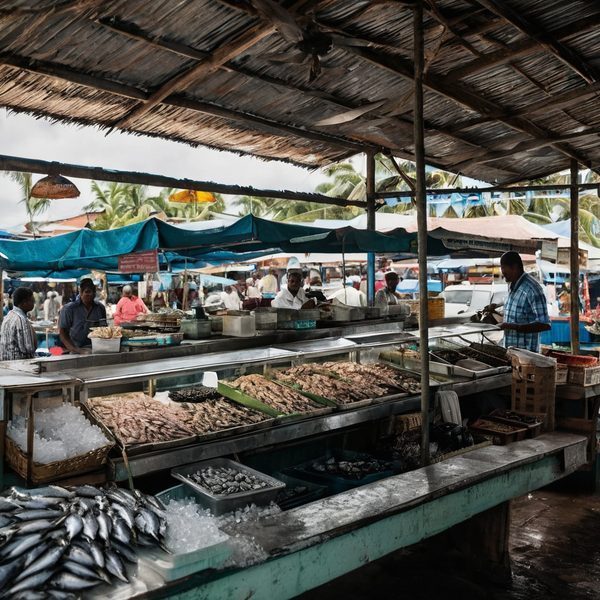
Vendors at the SEAQAQA market say a sudden drop in fresh fish supply has hit their businesses and the affordability of ready-made food parcels, as local fishermen stay ashore because of rising fuel costs. Market seller Anaseini Masiyalewa described the shortage as a direct result of increasing fuel prices that have made it uneconomical for small-scale fishers to go out to sea.
“Fishermen are not going out to fish because of the increase in fuel prices. This has also affected our business because we usually buy fish from them for our food parcels,” Ms Masiyalewa said, underlining how tightly linked the local seafood trade is to coastal households who depend on daily fresh catches. Vendors at SEAQAQA normally source fresh fish each morning to prepare affordable protein portions included in food parcels sold to working families and marketgoers.
Ms Masiyalewa said the supply of fresh fish to the market had “dropped significantly,” forcing many sellers to alter their operations. Some vendors have switched to offering frozen fish to fill the gap, but frozen products are coming at a higher cost, which is then passed on to customers. The price rise and reduced availability of fresh seafood have squeezed margins for small vendors and made protein less accessible for lower-income buyers who rely on food parcels.
The shortage has also discouraged customers from visiting the market in the numbers vendors usually expect, further depressing daily takings. “We have seen a decline in customer turnout since the supply of seafood had reduced, affecting our daily income and overall sales,” Ms Masiyalewa said. For several market operators who live day-to-day on small profits, the combined effect of fewer customers and more expensive stock threatens their ability to continue offering low-cost meal options.
The situation at SEAQAQA mirrors concerns from fishing communities nationally where fuel price rises increase operational costs for artisanal fishers. Small boats and short-haul fishers are particularly sensitive to fuel price movements because fuel is a major portion of trip costs; when fuel becomes expensive, many opt to remain ashore until conditions improve. For market vendors dependent on those catches, the knock-on effects can be immediate.
Vendors say they are monitoring the situation and adjusting where they can—reducing the number of food parcels made, relying temporarily on frozen stock, or increasing prices—but warn these are short-term fixes. The shortages come at a time when many households are already balancing tight budgets, and vendors fear a prolonged disruption will erode both customer loyalty and their livelihoods.
This is the latest development from SEAQAQA’s market traders, who are urging attention to the supply chain pressures that start at sea and quickly ripple through local food markets. Vendors say the shortage will persist while fuel costs remain elevated and fishermen continue to limit trips, making the restoration of consistent, affordable fresh fish supplies contingent on changes in operating costs for those at sea.
Leave a comment