PALAU — A new security report and recent diplomatic moves have put an intense spotlight on the United States’ expanding military footprint in Palau, raising fresh questions about environmental safeguards, transparency and local consent as the Pacific island nation navigates heightened great-power rivalry.
The Guam-based Pacific Centre for Island Security’s Micronesia Security Outlook 2025 warns that safeguards meant to protect Palau’s environment and sovereignty have been undermined by an accelerated military buildup that has left many Palauans “out of the loop.” The report’s Palau section was authored by Jodean Remengesau, director of the Bureau of Agriculture in Palau’s Ministry of Agriculture, Fisheries and the Environment, who argues the U.S. has not met environmental obligations set out under the Compact of Free Association. “The U.S military had missed and fell short of fulfilling its duties and responsibilities under the compact of the U.S with Palau,” he writes.
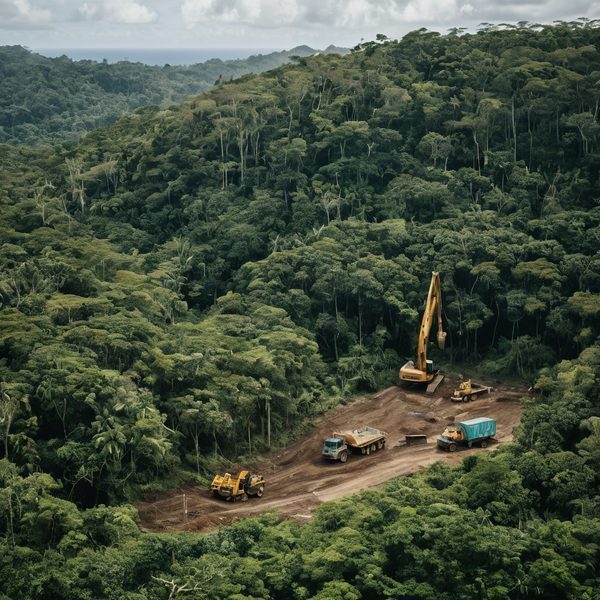
Among the concrete complaints documented in the report is the clearance of 271,807 square metres of land on Angaur for a U.S. tactical mobile over‑the‑horizon radar site without an environmental earthmoving permit, required community consultations, or an environmental impact assessment. Remengesau cites local reports that shredded tree debris from the clearing was dumped in residents’ yards and left conditions favourable for invasive pests such as the coconut rhinoceros beetle — outcomes that Palauan environmental rules and compact stipulations were designed to prevent.
The construction on Angaur has already produced legal fallout. In 2023, Angaur Governor Steven Salii filed a lawsuit against Palau’s central government, the Palau Environmental Quality Protection Board, the U.S. government and its military contractors, alleging violations of Palau’s environmental laws and compact agreements over the land clearing. The court action remains a central indicator of local resistance to aspects of the military programme.
The report arrives as Palauan head of state Surangel Whipps Jr. made a historic first State visit to New Zealand — a diplomatic milestone underscoring Palau’s efforts to broaden regional ties even as it deepens security cooperation with Washington. The timing is significant: under the renegotiated compact, the U.S. pledged an US$890 million package to Palau over 20 years, a cycle that began on October 1, 2023, and which makes a substantial portion of Palau’s national budget reliant on compact funds.
The U.S. radar project in Palau is valued at about US$118 million and is expected to be operational this year, according to the report, reflecting a broader pattern of stepped-up U.S. activity across Micronesia amid strategic competition with China. The think tank cautions that while Palau’s geopolitical position may inevitably draw it into international security arrangements, the pace and manner of infrastructure deployment — including promises of mutual use and later expansions — have fuelled dissatisfaction and mistrust among local communities.
The Pacific Centre for Island Security’s findings add to an evolving debate in the region about balancing security partnerships with environmental protection, legal accountability and community consent. For Palau, the coming months — with legal challenges still active, a major radar installation nearing operation and new diplomatic engagements underway — will be decisive in shaping how those competing priorities are managed.
Leave a comment