New Zealand’s prime minister has moved to calm concerns that a regional fuel squeeze could stop Pacific leaders travelling to the Pacific Islands Forum in Palau, saying there is “no immediate risk” while signalling Wellington stands ready to help if pressures worsen.
Christopher Luxon told reporters on Thursday that “at this point we don’t see any risk of that. There is no risk to any fuel disruption for us and that’s a good thing. But August is a long way away.” His comments are the clearest reassurance to date from a Pacific partner about the travel logistics for the Forum leaders’ meeting, which brings together heads of government across the region to discuss security, climate and development priorities.
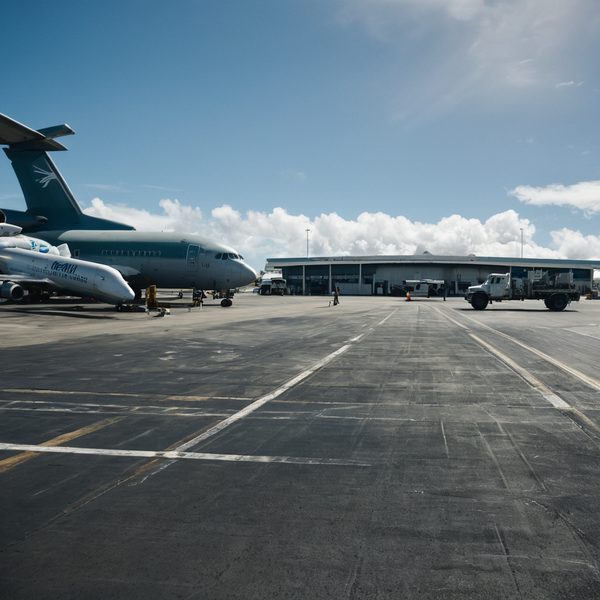
Palau’s president, Surangel Whipps Jr., echoed that confidence following a recent visit to New Zealand, telling Pacific Mornings he did not expect the fuel crisis to affect attendance. “I don’t think that [the fuel crisis] should affect [leaders] coming to PIF,” Whipps said, while expressing gratitude to partners including New Zealand, Australia and the United States for being prepared to transport leaders if required. New Zealand has stepped into that role before — helping fly leaders to the Forum in Tonga in 2024 and again to Honiara in September 2025 — underscoring a short-term contingency already practised by partners.
Foreign Minister Winston Peters framed the assurances within a wider strategic picture, saying the upcoming meetings in Palau and New Zealand will be “an important moment for the region.” Peters warned the Pacific faces a “very challenging global strategic environment” and urged that the region’s interests are best advanced through unity. The New Zealand government has not yet confirmed its final delegation for Palau; Wellington is also part of the Forum’s rotating leadership and will host next year.
The tone of calm from Wellington and Palau arrives against fresh evidence that the Middle East crisis is already reverberating in the Pacific. Reporting by the UN News Centre and regional analysts points to higher global fuel prices, interruptions to shipping routes and emerging electricity uncertainty for island states that are heavily import-dependent. For countries such as Fiji, Sāmoa, Tonga and Niue, long, complex travel routes rely on limited hub connections through Guam, Japan and the Philippines — vulnerabilities that can quickly translate into missed meetings or smaller delegations if fuel costs spike or flights are cut.
What is new in this update is the explicit government readiness to use transport assistance again and the public pushback against early alarm: leaders are being told to plan to attend while contingency options are being prepared. That matters because the Forum summit in August is a key diplomatic moment when Pacific leaders are expected to co-ordinate responses not only to price shocks but to geopolitical pressures, infrastructure needs and climate action — issues that Peters cited as central to the Forum’s work.
The bulletin also noted a separate study ranking the Hawaiian monk seal as the marine mammal most at risk of extinction from plastic pollution, a reminder that the Pacific’s environmental vulnerabilities remain immediate even amid geopolitical and fuel-related worries. For now, governments and partners will be watching fuel markets closely over the coming months, balancing public reassurance with logistical contingency planning to ensure full representation at the Forum.
Leave a comment