Palau’s growing unease over an accelerated U.S. military presence was laid bare this week as a Guam-based security think tank released a report questioning whether existing safeguards are being upheld — even as Palau’s president made a historic first State visit to New Zealand.
The Pacific Centre for Island Security’s Micronesia Security Outlook 2025, whose Palau section was authored by Jodean Remengesau of Palau’s Ministry of Agriculture, Fisheries and the Environment, says guardrails in U.S.–Palau arrangements intended to protect the island nation’s environment and sovereignty “are rendered ineffective” by the pace of militarisation and by limited local consultation. “The U.S military had missed and fell short of fulfilling its duties and responsibilities under the compact of the U.S with Palau,” Remengesau writes in the report.
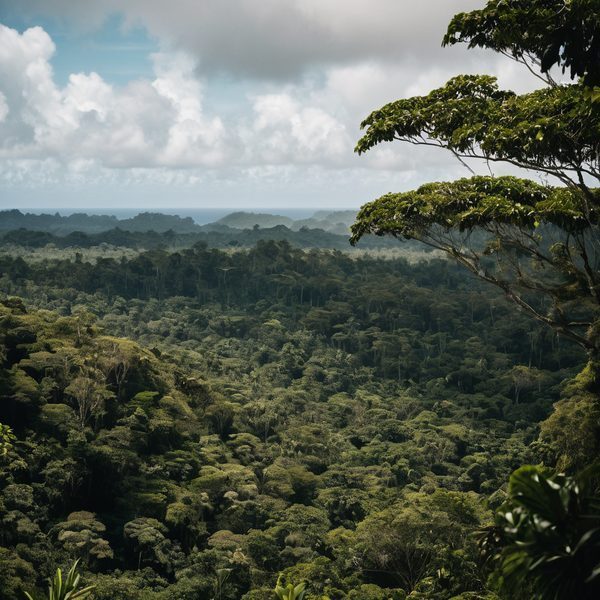
The report highlights a high-profile example on Angaur, one of Palau’s 16 states, where land was cleared for the first site of a tactical mobile over‑the‑horizon radar without what Remengesau says were legally required environmental earthmoving permits or community consultations. The debris from clearing, he says, created conditions favourable to the invasive coconut rhinoceros beetle; attempts to dispose of shredded tree material reportedly resulted in piles being dumped on residents’ yards. In 2023 Angaur Governor Steven Salii filed a lawsuit naming Palau’s central government, the Palau Environmental Quality Protection Board, the U.S. government and military contractors, alleging the clearing of 271,807 square metres without an environmental impact assessment or permits.
Those environmental and legal concerns come against the backdrop of a renewed Compact of Free Association with the United States, which grants the U.S. military exclusive use of Palauan land, waters and airspace while requiring compliance with Palauan environmental rules. Under the compact renegotiation, the United States pledged an US$890‑million assistance package to Palau over 20 years, money that began flowing on October 1, 2023. The report notes that Palau’s heavy reliance on compact funds and foreign aid increases the likelihood of expanded U.S. military use of the islands.
Strategic dynamics between Washington and Beijing continue to shape activity in Palau. The U.S. Department of Defense’s US$118‑million radar project in Palau — cited in the report and by other regional observers — is expected to be operational in 2026. The report also says an infrastructure proposed as a single mutually used shoreline radar system ultimately manifested as two separate installations, a detail that has stoked local mistrust over transparency and the scale of U.S. basing arrangements.
Palauan President Whipps’ State visit to New Zealand, the first of its kind, coincides with the report’s release and may signal expanding diplomatic efforts by Palau to secure international partners and public support as domestic debate intensifies. The PCIS findings underline a widening gap between defence planning at the strategic level and community expectations on environmental protection and sovereign decision‑making.
The latest development makes clear that militarisation is now a central political issue inside Palau: legal challenges from state leaders, detailed environmental complaints from government officials, and diplomatic outreach abroad together mark a shift from technical project disputes to contested questions of governance, environmental stewardship and national identity.
Leave a comment