A new Guam-based security report says Palau’s accelerating military build-up is bypassing domestic safeguards and leaving Palauans out of the decision-making loop, renewing concerns over environmental harms and sovereignty raised since work began on U.S. installations in the island nation.
The Pacific Centre for Island Security’s Micronesia Security Outlook 2025, published this year, includes a Palau chapter authored by Jodean Remengesau, director of the Bureau of Agriculture in Palau’s Ministry of Agriculture, Fisheries and the Environment. Remengesau argues that provisions in the Compact of Free Association designed to protect the environment and Palauan sovereignty have been rendered ineffective by the pace and scale of U.S. activity on Palauan land and waters.
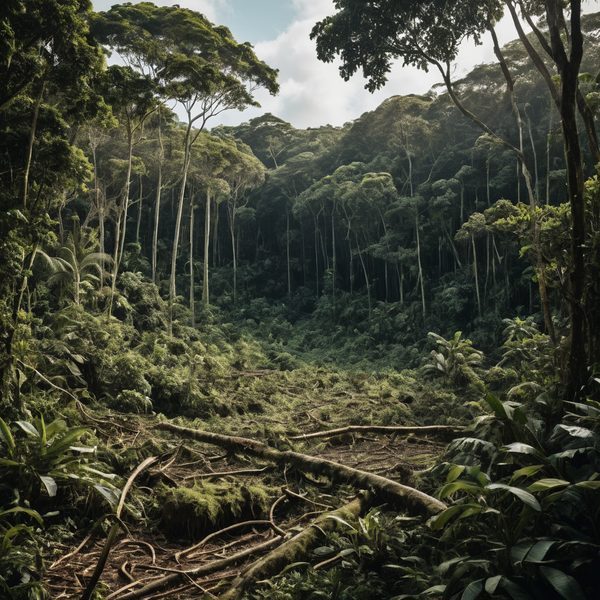
The report highlights a specific instance on Angaur, one of Palau’s 16 states, where U.S. military contractors cleared land for a tactical mobile over‑the‑horizon radar system without first obtaining an environmental earthmoving permit or holding community consultations required under Palauan law. According to the report, debris from the clearing – “piles of shredded tree debris” – created conditions that invited invasive coconut rhinoceros beetle infestation and were later dumped on residents’ yards in a rushed attempt to manage the problem.
That incident underpins a broader legal challenge. In 2023 Angaur Governor Steven Salii sued Palau’s central government, the Palau Environmental Quality Protection Board, the U.S. government and U.S. military contractors, alleging violations of Palau’s environmental laws and the compact after 271,807 square metres of land were disturbed without an environmental impact assessment or required permits. The lawsuit remains a key reference point in discussions about compliance and oversight, the report notes.
The Micronesia Security Outlook also places the environmental and legal disputes in the context of Palau’s expanded strategic role in U.S. Indo‑Pacific planning. Under the renegotiated compact, the United States pledged an US$890 million assistance package to Palau over 20 years that began on October 1, 2023, and the compact affirms U.S. defence responsibilities for the islands. The report warns that with a substantial share of Palau’s national budget reliant on compact funds and foreign aid, pressures to accommodate U.S. military requirements are likely to increase.
Remengesau is blunt about the consequences: “The U.S. military had missed and fell short of fulfilling its duties and responsibilities under the compact of the U.S with Palau,” he writes. The report also points to the wider geopolitics that have driven recent activity, noting that U.S.–China tensions have set the stage for greater military investment in Micronesia.
Among the projects cited is a US$118 million U.S. military radar installation in Palau that the report says is scheduled to be operational this year. That project and related construction have become focal points for questions about transparency, environmental compliance and the balance between security partnerships and island sovereignty — questions the report says remain unresolved as militarisation accelerates.
Leave a comment