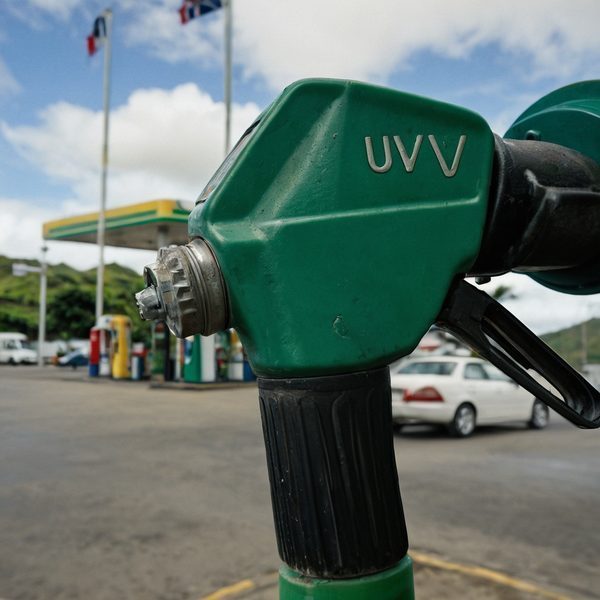
Wellington — New Zealand Prime Minister Christopher Luxon has said there is no immediate risk to Pacific leaders travelling to Palau for the Pacific Islands Forum (PIF) in August, but warned his government is prepared to step in if rising fuel pressures across global supply chains worsen. Luxon’s comments on 16 April follow weeks of concern in the region about the knock-on effects of the Middle East crisis on fuel prices and transport links.
“At this point we don’t see any risk of that. There is no risk to any fuel disruption for us and that’s a good thing. But August is a long way away,” Luxon told reporters, adding that New Zealand stood ready to assist although it had not yet received any requests for help. New Zealand has previously intervened to ferry Pacific leaders to forum meetings — notably to Tonga in 2024 and Honiara in September 2025 — underscoring how island states often rely on partner support to overcome fragile travel links.
Palau President Surangel Whipps Jr., who visited New Zealand last week, echoed the cautious optimism. Whipps told Pacific Mornings he did not expect the fuel situation to prevent leaders attending PIF and publicly thanked New Zealand, Australia and the United States for offering transport support. The Forum leaders’ meeting, scheduled for August 2026 in Palau, remains the region’s most important political gathering and will see Pacific heads of state discuss economic resilience, security and climate priorities.
New Zealand Foreign Minister Winston Peters stressed that the Palau meeting comes at a delicate strategic moment for the region. “The region faces a very challenging global strategic environment, and in this context, Pacific countries best advance our shared interests when we work together, showing strength through unity,” Peters said in a government release referenced by Luxon’s media remarks. The New Zealand government has not yet finalised its delegation to Palau and will continue monitoring fuel markets and travel routes through Guam, Japan and the Philippines — hubs many smaller Pacific nations depend on for long-haul connections.
The reassurance comes against broader reporting that the Middle East conflict is already affecting the end of global supply chains, contributing to higher fuel costs and intermittent electricity pressures across parts of the Pacific. UN News and regional business bulletins over recent weeks have flagged the “connectivity shock” faced by island economies as oil prices incorporate a geopolitical premium and shipping routes face disruption. For now, officials say planned attendance at the Forum will proceed, but that contingency arrangements and increased coordination among partners remain prudent.
Other developments in the Pacific noted in the same bulletin on 16 April point to continuing policy responses across the region. Tonga has launched a five-year multi-hazard strategy focused on risk communication and community engagement, signalling greater emphasis on preparedness. Separately, a new study highlighted in the regional digest ranked the Hawaiian monk seal as the marine mammal most at risk of extinction from plastic pollution, underscoring the environmental vulnerabilities the Forum is likely to address alongside geopolitical and economic concerns.
With months to go before leaders converge in Palau, governments across the Pacific say they will watch fuel markets closely and keep diplomatic lines open with partners ready to assist if travel pressures escalate. The assurances from Luxon and Whipps amount to a temporary calming of immediate fears, but they also reinforce long-standing regional realities: Pacific attendance at multilateral gatherings depends not only on political will but on a fragile web of transport and logistical support.
Leave a comment