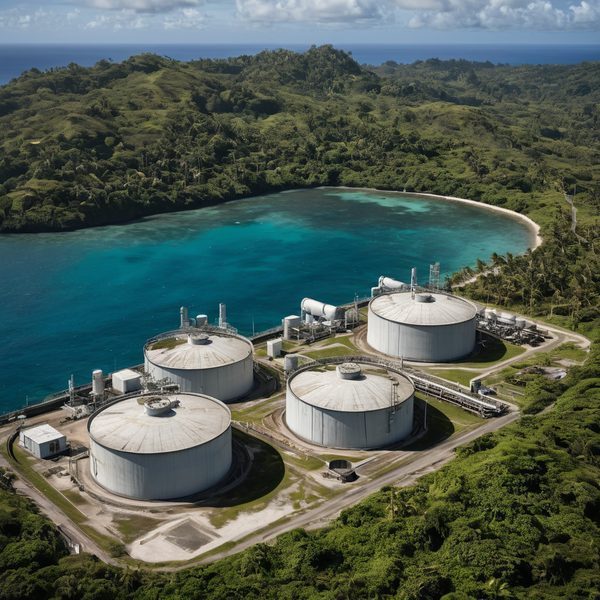
WELLINGTON, 16 April 2026 — New Zealand Prime Minister Christopher Luxon has told reporters there is no immediate risk to Pacific leaders travelling to the Pacific Islands Forum in Palau this year, while warning the situation could change and pledging that Wellington stands ready to help if fuel pressures in the region intensify.
“At this point we don’t see any risk of that. There is no risk to any fuel disruption for us and that’s a good thing. But August is a long way away,” Luxon said on Thursday, adding that no Pacific leaders had yet requested assistance. He said New Zealand has contingency plans and support “ready to step in” should the region’s fuel supply and travel routes come under greater strain in the coming months.
Palau’s President Surangel Whipps Jr, who visited Aotearoa last week, echoed that confidence. “I don’t think that [the fuel crisis] should affect [leaders] coming to PIF but we’re very grateful to New Zealand, Australia and the United States who are willing to go around and pick up leaders and bring them to PIF,” Whipps told Pacific Mornings. His comments underline Palau’s determination to host the Forum despite disruptions to global energy markets triggered by tensions in the Middle East.
The Forum leaders’ meeting — the region’s premier political gathering — has taken on added logistical complexity this year as several island states rely on long, circuitous travel routes through hubs such as Guam, Japan and the Philippines. Those routes are sensitive to fuel price spikes and limited flight connectivity, a reality highlighted by recent adjustments from regional carriers. Fiji Airways has already trimmed services amid rising fuel costs, a move that affects onward connections from Fiji to smaller Pacific capitals.
New Zealand has stepped in before when travel links faltered, flying leaders to the Forum in Tonga in 2024 and again in Honiara in September 2025. Foreign Minister Winston Peters framed the Palau meetings and next year’s Forum events in New Zealand as a strategic moment for the region. “The region faces a very challenging global strategic environment, and in this context, Pacific countries best advance our shared interests when we work together, showing strength through unity,” Peters said in a government press release.
The latest assurances from Wellington follow repeated warnings in March from regional regulators and watchdogs that the Middle East escalation could push global oil prices higher and expose Pacific import-dependent economies to price shocks. Early March reporting flagged risks to electricity generation, transport costs and food supply chains if oil flows through the Strait of Hormuz were further constrained. The New Zealand update is therefore the first firm, public statement from a major partner that attendance at the Palau Forum is expected to proceed as planned — but that contingency support remains available.
Beyond Forum logistics, the Pacific is feeling ripple effects of the global energy squeeze and other pressures. The bulletin carrying Luxon’s comments also noted separate regional developments: a Papua New Guinea hotel owner plans to sue the Australian government for about US$11 million over unpaid refugee accommodation costs; Tonga has launched a five-year multihazard strategy for risk communication and community engagement; and a new study ranks the Hawaiian monk seal as the marine mammal most at risk of extinction from plastic pollution. Together, these items paint a picture of a region managing interlocking vulnerabilities — from fuel and travel to climate and environmental threats — as leaders prepare to meet in Palau in August.
Leave a comment