A new analysis of security developments in Micronesia warns that an accelerated United States military buildup in Palau is eroding safeguards meant to protect the island nation’s environment and sovereignty, a concern coming to a head as Palau’s leader, Whipps, makes a historic first State visit to New Zealand this week. The Guam-based Pacific Centre for Island Security’s Micronesia Security Outlook 2025, whose Palau chapter was written by Jodean Remengesau of Palau’s Bureau of Agriculture, Fisheries and the Environment, lays out fresh complaints about how U.S. projects have been implemented on Palauan soil.
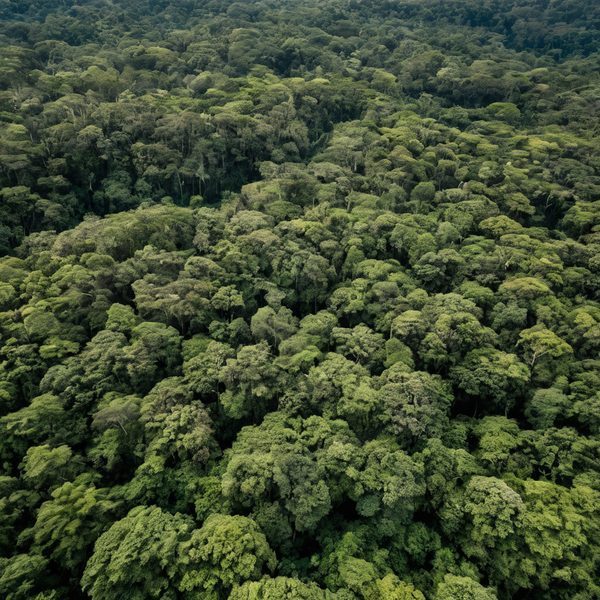
Remengesau’s chapter argues the Compact of Free Association — which grants the U.S. broad access to Palau’s land, waters and airspace while obliging adherence to environmental standards — has not prevented harmful practices during recent military works. The report says the U.S. military cleared land on Angaur for a tactical mobile over-the-horizon radar site without obtaining an environmental earthmoving permit or holding required community consultations. It describes piles of shredded tree debris at the site, later dumped on residents’ yards, creating conditions that could invite invasive coconut rhinoceros beetles.
Those local complaints have already produced litigation. In 2023, Angaur Governor Steven Salii sued Palau’s central government, the Palau Environmental Quality Protection Board, the U.S. government and military contractors, alleging the clearing of 271,807 square metres of land in Angaur took place without an environmental impact assessment and without proper permits. The Pacific Centre report cites Salii’s legal action as evidence that statutory protections are not being enforced to the satisfaction of affected communities.
The piece underscores the trade-offs Palau faces under its renegotiated compact with the United States. Under that agreement the U.S. pledged an US$890 million assistance package to Palau over 20 years, a cycle that began on October 1, 2023, and provides for U.S. defence of the islands. Because compact funds and other foreign aid constitute a large portion of Palau’s national budget, the report cautions, the country is likely to see increased U.S. military activity and infrastructure on its territory.
Among the projects drawing scrutiny is a U.S. radar installation the report values at about US$118 million and says is expected to be operational in 2026. The report also notes community concerns that a shoreline radar system originally presented as a single mutual-use infrastructure was later reconfigured into distinct installations — a development that residents and some officials say was not fully disclosed or consulted on.
The analysis situates these developments within broader geopolitical competition in the Indo-Pacific, arguing that rising U.S.-China tensions have catalysed a rapid expansion of security infrastructure in Micronesia. It warns that the “accelerated militarization” threatens the peace and sovereignty Palauans once understood, while acknowledging the practical reality that closer security ties bring financial support and defence guarantees.
Whipps’ State visit to New Zealand, billed as the first of its kind, gives added diplomatic weight to the moment: Palauan leaders are simultaneously deepening regional partnerships and confronting difficult domestic debates over the local environmental and governance impacts of strategic infrastructure. The Pacific Centre’s report and the unresolved Angaur court case make clear the issue is now as much about rule‑of‑law and environmental compliance at home as it is about grand strategy abroad.
Leave a comment