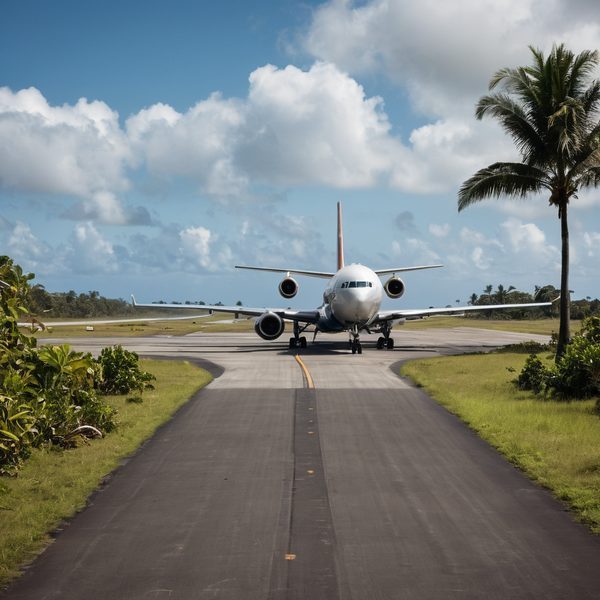
WELLINGTON, 16 April 2026 — New Zealand Prime Minister Christopher Luxon said on Thursday there is currently no risk to Pacific leaders travelling to Palau for this year’s Pacific Islands Forum, but he warned Wellington is ready to help if worsening fuel pressures make travel harder across the region.
“At this point we don’t see any risk of that. There is no risk to any fuel disruption for us and that’s a good thing. But August is a long way away,” Luxon told reporters, noting that while no Pacific leaders have yet asked for assistance, New Zealand stands prepared to step in should the situation deteriorate. Many island delegations rely on limited international connections through hubs such as Guam, Japan and the Philippines, making long-haul travel to Palau particularly vulnerable to supply and price shocks.
Palau’s President Surangel Whipps Jr., who visited New Zealand last week, sought to calm concerns, telling Pacific Mornings he did not expect the fuel situation to prevent attendance at the Forum. “I don’t think that [the fuel crisis] should affect [leaders] coming to PIF,” Whipps said, and welcomed offers of logistical help from Australia, the United States and New Zealand to “go around and pick up leaders and bring them to PIF.”
Luxon’s comments come amid growing alarm across the Pacific over higher global fuel prices and disrupted supply chains tied to the Middle East crisis. United Nations reporting and regional watchdogs have flagged rising costs and the knock-on effects for electricity, transport and food prices in import-reliant island states. New Zealand has already provided practical support in recent years — flying leaders to the Forum in Tonga in 2024 and again to Honiara in September 2025 — a precedent Wellington points to as evidence of its willingness to help if required.
Foreign Minister Winston Peters underlined the diplomatic stakes, saying the upcoming gatherings in Palau and later in New Zealand are “an important moment for the region.” Peters added that Pacific countries must present a united front in a fraught global strategic environment, where disruptions to logistics and energy supplies could compound wider security and economic pressures.
For now, government officials say leaders are expected to make the journey to Palau as planned, and no travel advisory changes have been announced. But the comments from Luxon and Whipps mark the latest development in an evolving logistical conversation: with months to go before the Forum, Pacific capitals and external partners are monitoring fuel markets and contingency transport options closely.
Other region-wide developments were flagged in Thursday’s bulletin. Tonga launched a five-year multi-hazard strategy focused on risk communication and community engagement, an initiative aimed at strengthening local resilience to shocks that include energy and supply disruptions. Separately, a new study highlighted the broader environmental fallout of plastic pollution, ranking the Hawaiian monk seal as the marine mammal most at risk of extinction from plastics — a reminder of the diverse, compounding threats facing Pacific communities and ecosystems.
Leave a comment