Fiji recorded a new milestone in tourism in March 2026, with provisional figures showing 71,765 visitor arrivals for the month — a sharp 32.4 percent increase from February’s 54,219 arrivals. The rise marks the latest development in a sustained rebound in inbound travel and underlines growing demand for the islands from long-standing source markets.
Australia remained the dominant source market, supplying 30,964 visitors, or 43.1 percent of total arrivals in March. New Zealand was the second-largest contributor with 12,483 visitors (17.4 percent), while the United States supplied 10,881 visitors (15.2 percent). Together those three markets accounted for the vast majority of visitors to Fiji in March 2026.
Other notable markets included Continental Europe (2,808 visitors, 3.9 percent), Canada (2,626, 3.7 percent), China (2,233, 3.1 percent) and the United Kingdom (1,398, 1.9 percent). The mix of markets highlights a broadening geographic reach beyond the traditional trans-Tasman and North American sources, even as Australia, New Zealand and the United States continued to drive most arrivals.
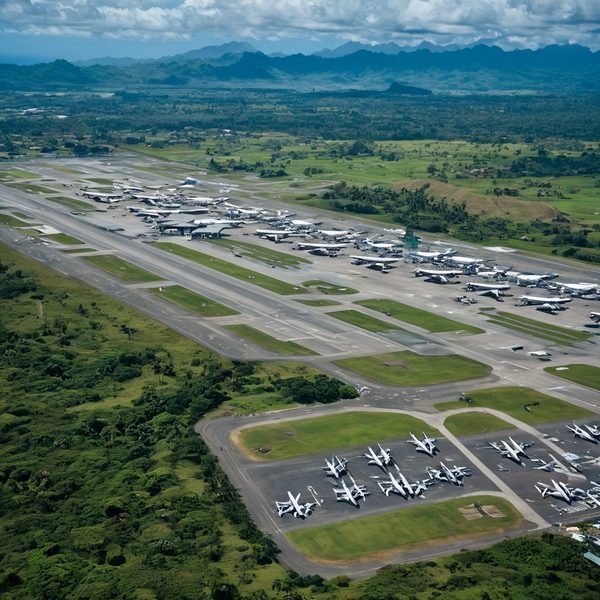
The mode of arrival was overwhelmingly by air, with 70,518 visitors flying into Fiji in March. Sea arrivals totalled 1,247, the majority of whom were seamen on fishing vessels (1,243); only four visitors arrived by private yacht. The high proportion of air arrivals underscores the central role of commercial air services in supporting international tourism to the islands.
Visitor purpose data show that leisure travel dominated the March intake: 78.0 percent of arrivals cited holidays as their main reason for visiting. Visiting friends and relatives accounted for 6.7 percent, while business travel made up 3.0 percent of arrivals. The strong holiday proportion points to continued appetite for Fiji’s resort and leisure offerings as travel patterns normalise.
The provisional March figures are the latest indication that demand for Fiji remains robust, with traditional markets in Australia, New Zealand and North America fuelling the recovery. Tourism industry stakeholders and policymakers will be watching forthcoming releases for confirmation of the trend and its implications for airline capacity, hotel occupancy and seasonal planning as the sector seeks to consolidate gains.
Leave a comment