Prime Minister Sitiveni Rabuka has announced a targeted $56 million (US$39.95 million) reprioritisation of existing government funds to help households, businesses and essential services cope with rising fuel costs, while stressing that Fiji’s fuel supply itself remains stable. The Cabinet approved the redeployment on April 21 as the government moves to blunt the domestic impact of sharp global price increases driven by the Middle East conflict and disruptions to shipping through the Strait of Hormuz.
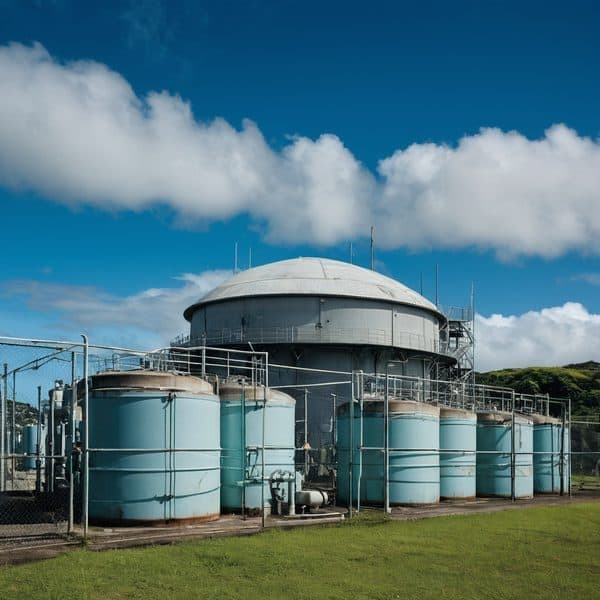
Providing the latest stock figures, Rabuka said that as of April 19 Fiji held about 45 million litres of fuel on land, with a further 22 million litres expected to arrive before the end of the month — giving an April total of roughly 67 million litres, or close to half of national storage capacity. Daily consumption is running at about 2.5 million litres, he noted, and stocks are expected to draw down to around 40 million litres — some 29 percent of capacity — by the end of April. Rabuka described that decline as routine, part of the normal supply cycle required to receive and discharge the next shipments safely.
The prime minister sought to reassure the public there is no domestic shortage. "We are currently operating in Phase 1 — a normal supply situation, but under pressure from high global fuel prices," he said, underscoring that the spike in pump prices stems from international market forces rather than local scarcity. Rabuka attributed recent increases to the war in the Middle East, disruptions to shipping routes and higher global purchasing costs denominated in US dollars. He repeated government guidance that the independent price regulator, the Fijian Competition and Consumer Commission (FCCC), set a price rise on April 1 and warned a further adjustment is likely in May to reflect higher import costs.
Looking ahead, Rabuka said suppliers have already committed to delivering about 118 million litres in May. Once those shipments are received, national fuel stocks are expected to rebound to over 59 percent of storage capacity, further bolstering the government's contention that supply remains secure. The May deliveries are positioned to relieve short-term inventory pressure and support continuity for transport, freight and critical public services.
The $56 million package is not new borrowing, Rabuka emphasised; Cabinet approved the redeployment from within the 2025–2026 budget by shifting funds from projects delayed this fiscal year. He said the immediate priorities for the support are protecting livelihoods, maintaining essential services and assisting the most vulnerable groups affected by higher fuel and transport costs, although he did not detail specific programmes or eligibility criteria at the announcement.
This update follows earlier government and regulator warnings in March that turmoil in the Strait of Hormuz and broader geopolitical tensions could push global crude and refined product prices higher — a trend already feeding through to Pacific markets. The latest figures and the emergency budget reallocation mark the government’s most concrete response to date, aiming to smooth the transition for consumers and businesses while the country weathers international price volatility.
Leave a comment