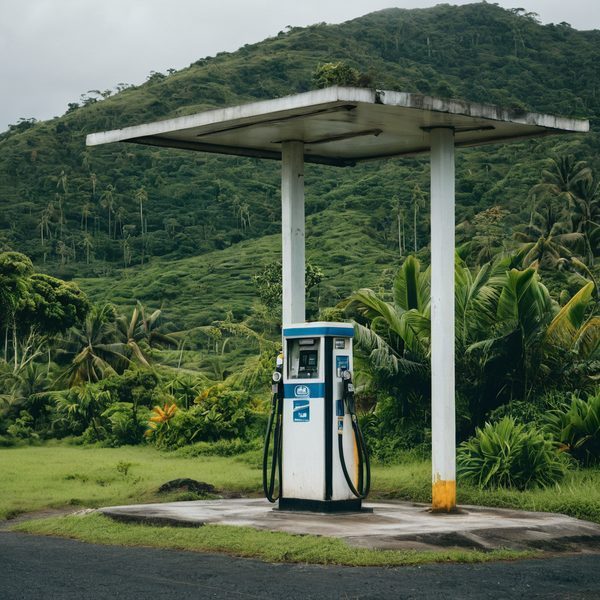
PORT VILA/SUVA, 17 April 2026 — Vanuatu’s climate change adaptation minister Ralph Regenvanu has publicly criticised Australia’s continued reliance on fossil fuels and said his country will “definitely” seek help from China as Pacific nations scramble to manage an unfolding regional fuel crisis. Regenvanu told SBS News that Vanuatu has fuel reserves only until the end of June and residents should expect fuel and food price rises from May, underscoring the immediate economic pressure facing island states at the end of global supply chains.
Regenvanu’s comments come as Prime Minister Anthony Albanese tours Southeast Asia to secure fuel assurances for Australia, and with Canberra set to hand down its federal budget in three weeks. Regenvanu urged Australia to accelerate a renewable transition and backed proposals circulating in Canberra for a 25 per cent gas export tax — a measure that has gained traction with the crossbench and the Greens amid disruptions to oil shipments through the Strait of Hormuz. Australia’s Energy Minister Chris Bowen has emphasised that the priority is securing supply while also pushing for diversification into renewables, telling reporters “no war can impede the flow of sun to Australia.”
The warnings from Vanuatu sit alongside stark developments across the Pacific. The Marshall Islands has declared a state of economic emergency, at least one Papua New Guinean fuel supplier has begun rationing, and Tuvalu ordered government staff to work from home as the region braces for constrained deliveries and rising costs. Regenvanu said Vanuatu has not yet formally asked Australia for energy assistance but did not rule out doing so, and confirmed his government will “definitely” reach out to China as an additional partner.
In Tonga, three separate developments mark fresh domestic upheaval. The kingdom’s finance minister resigned after being convicted of bribery — a rare and high-profile political fall that follows court proceedings concluded this month. Tonga’s health authorities also declared a national dengue outbreak as cases spread across the islands, prompting public health alerts and efforts to contain transmission. Separately, Tonga has validated its national climate loss data to strengthen resilience planning, an administrative step intended to direct reconstruction and adaptation funding more effectively.
Fiji has issued a fresh travel advisory amid rising tensions in the Middle East and has taken immediate cost-of-living measures at home: the government announced a suspension of overtime payments as part of fuel cost measures designed to buffer public finances. Climate and development advocates in Fiji renewed calls this week for better-targeted climate aid — arguing that funding must be channelled to resilience and transition projects rather than simply increasing headline aid totals.
The cluster of developments frames an urgent regional moment: energy security concerns are intersecting with public health crises and political instability, while long-running calls for climate justice and a rapid fossil fuel phase-out gain new resonance. Regenvanu’s public backing for tougher Australian export policy and his openness to Chinese help underline shifting diplomatic calculations in the Pacific as island governments weigh immediate needs against long-term climate commitments. With Canberra’s budget due in three weeks, Pacific leaders and communities will be watching closely for any policy changes on gas exports and support for island resilience.
Leave a comment