
UN climate chief Simon Stiell warned on April 22 that the world is in “perilous times” as rising fossil fuel costs and global instability squeeze economies and threaten progress on climate goals, urging an urgent shift to clean energy and greater investment for developing countries. Speaking at the Petersberg Climate Dialogue in Berlin, Stiell said the “latest war” has locked in higher fossil fuel costs “for months and likely years to come,” a development he said delivers “a gut‑punch to every nation and billions of households.”
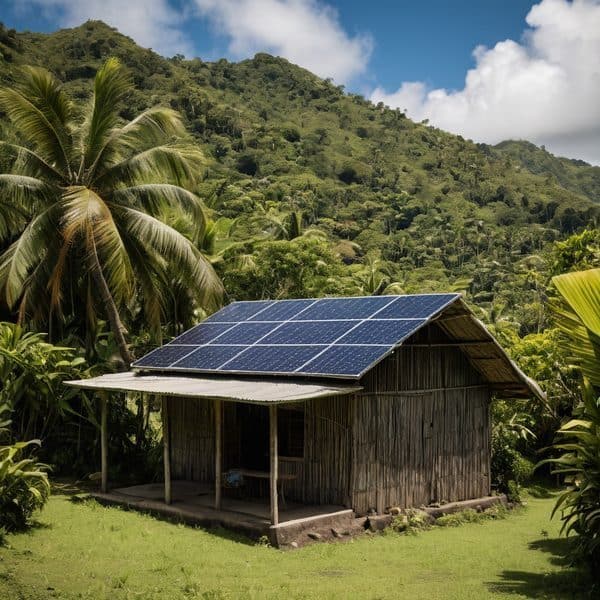
Stiell framed the fallout from geopolitical conflict as more than a short‑term market shock, warning that “fossil‑fuel driven stagflation” is pushing up prices, slowing growth, deepening sovereign and household debt, and narrowing governments’ policy choices. He argued the response must combine climate cooperation with tangible implementation, saying negotiations remain “critical” but must now be matched by “projects on the ground” that deliver security and affordability through clean energy. “Clean energy offers security and affordability – returning sovereignty to nations and their peoples,” he said.
Highlighting a push toward implementation, Stiell called for the Action Agenda to be elevated “to share centre‑stage with negotiations,” crediting it with “mobilizing trillions of dollars within the real economy” and describing the clean energy transition as “now irreversible.” He stressed that the Agenda’s power must be unlocked across both the global North and South, and demanded “far more finance flowing into developing countries” to ensure equitable and effective transitions.
Stiell singled out methane reduction and food systems as priority areas, urging steep cuts in methane by 2030 to slow near‑term warming and calling for stronger resilience measures such as early warning systems. “Methane is an ultra‑potent greenhouse gas. Slashing emissions by 2030 will have a huge impact on putting the brakes on global heating,” he said, adding that resilience investments save lives and safeguard livelihoods.
The comments come as Pacific Island nations — including Fiji — are already grappling with higher fuel and food costs after recent Middle East tensions and market volatility pushed up oil prices. Regional reporting this year warned that surging global fuel prices and risks to shipping routes imperil energy security and make difficult trade‑offs for small island states. Stiell’s call for increased finance and fast, on‑the‑ground clean energy deployment speaks directly to those concerns, offering a route to reduce exposure to fossil fuel price shocks and strengthen long‑term resilience.
Stiell tied his appeal to the UN’s timetable for review, noting landmark commitments at the first global stocktake at COP28 and urging measurable progress ahead of the second global stocktake at COP33. His remarks at the Petersberg Dialogue reinforce a growing push among UN officials and vulnerable countries for implementation and finance to match climate ambitions, signalling that the debate at coming international meetings will centre less on targets and more on delivering projects, funds and emissions reductions now.