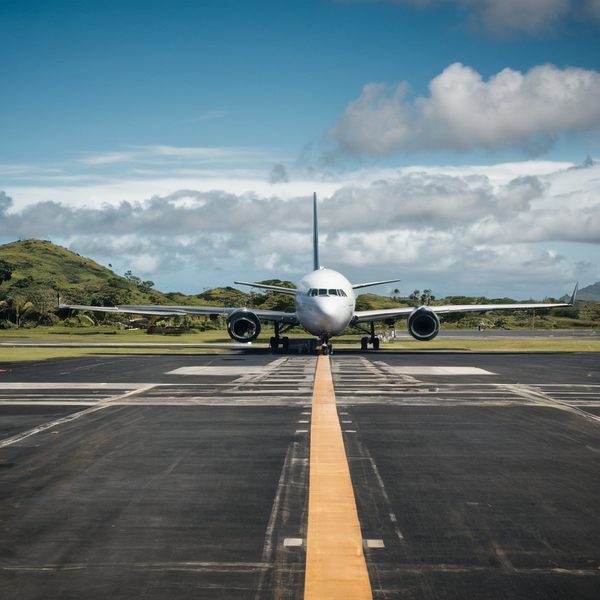
WELLINGTON/SUVA — New Zealand Prime Minister Christopher Luxon has moved to calm immediate fears that rising fuel prices and supply-chain strains linked to the Middle East crisis will prevent Pacific leaders from travelling to Palau for this year’s Pacific Islands Forum (PIF), while signalling Wellington stands ready to step in if pressure on fuel and air services worsens.
Speaking to reporters on April 16, Luxon said there was “no immediate risk” to travel for the August summit but cautioned that “August is a long way away.” He confirmed that, although New Zealand has contingency support prepared, no Pacific leader had so far asked for assistance. The prime minister pointed to previous instances when Wellington provided transport support — flying leaders to the Forum in Tonga in 2024 and to Honiara in September 2025 — as evidence of what could be arranged if needed.
Palau’s president, Surangel Whipps Jr., who visited New Zealand last week, echoed Luxon’s assessment. Whipps told Pacific Mornings he did not expect the fuel situation to deter attendance and expressed appreciation for the willingness of New Zealand, Australia and the United States to help “go around and pick up leaders and bring them to PIF” if required. The Forum leaders meeting, scheduled for August, remains the prime diplomatic event for the region and a key forum for coordinating responses to shared challenges.
Foreign Minister Winston Peters framed the readiness to assist as part of a broader strategic imperative. “The region faces a very challenging global strategic environment, and in this context, Pacific countries best advance our shared interests when we work together, showing strength through unity,” he said in a government release. The New Zealand government has yet to publish a final list of attendees for Palau, underscoring that planning continues amid uncertain logistics.
The latest reassurances come against a backdrop of growing anxiety across the Pacific about oil-price shocks and fragile transport links. A United Nations analysis this week warned that disruption from the Middle East crisis is already reverberating down supply chains, raising fuel costs and threatening electricity reliability in the region. Earlier reporting in March flagged similar risks: Fiji and other island states, which import all their fuel, could face rapid price and supply impacts if tensions around the Strait of Hormuz persist.
Pacific travel is particularly vulnerable because many leaders and officials rely on limited international air connections routed through hubs such as Guam, Japan and the Philippines. That dependence means even modest spikes in aviation fuel or the loss of a single air link can cascade into cancelled flights and stranded delegations — a reality made plain by past Forum meetings when external assistance became necessary.
The bulletin of regional developments on April 16 also highlighted other resilience challenges facing the Pacific: Tonga launched a five-year multi-hazard strategy focused on risk communication and community engagement, while a new study ranked the Hawaiian monk seal as the marine mammal most at risk of extinction from plastic pollution. For now, organisers and governments say leaders are expected to make the journey to Palau as planned, but officials across the region say they will be closely monitoring fuel markets and transport capacity in the months ahead and stand ready to mobilise support if the situation deteriorates.
Leave a comment