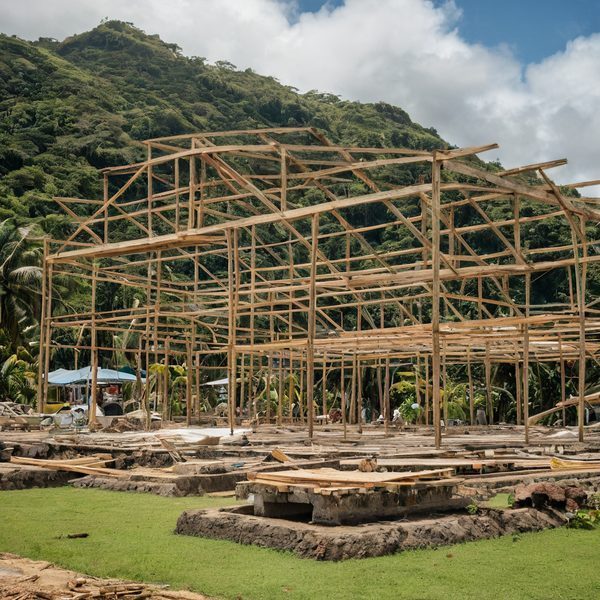
A new multi-million dollar market development in Seaqaqa is expected to transform trade in Fiji’s Macuata region, with local farmers tipped to “rake in hundreds of dollars” once the facility is completed, Labasa Town Council chairperson Paul Jaduram said on Wednesday. Jaduram described the project as a strategic investment to improve access between rural producers and buyers, and to strengthen transport links that currently hinder timely movement of produce.
“The upgraded facilities would provide a safer and more organised environment for both sellers and customers,” Jaduram said, noting the market’s design will make it easier for people travelling from surrounding rural areas to bring goods and connect with transport services. He said the development aims to reduce congestion and improve the overall flow of business operations, addressing a recurring complaint from vendors who contend that cramped, informal trading spaces limit sales and add to post-harvest losses.
Beyond immediate trading improvements, Jaduram emphasised broader economic benefits for small local businesses. “The project would also create new economic opportunities for small local businesses,” he said, adding that improved transport links would ease travel for daily commuters and strengthen connectivity between Seaqaqa and nearby communities. The market is being promoted as a central hub for trade in the Macuata region, expected to concentrate activity that is now spread across multiple informal sites.
The announcement is the latest development in ongoing efforts to shore up income and market access for Fiji’s rural producers. Recent national discussions — including consultations on kava regulation and calls for farmer-centred policy measures — have highlighted how price volatility and limited market infrastructure leave many growers exposed. Local leaders say the Seaqaqa market is part of a practical response to those long-standing concerns by creating a more predictable, safer trading environment.
Project specifics such as the precise construction timeline, funding breakdown and the companies involved were not disclosed in Mr Jaduram’s statement. Council representatives have framed the market as a long-term investment in community livelihoods and services, asserting communities across Macuata will benefit from increased income opportunities and improved services once the facility is operational.
For farmers and vendors in the Seaqaqa and wider Macuata area, the new market could change daily operations: easier access to transport services promises quicker turnover of perishable goods, while a more organised site could reduce the time sellers spend navigating congestion and locating buyers. If the facility delivers as envisioned, it will also create ancillary opportunities for micro-enterprises supplying packaging, transport and food services to market users.
Labasa Town Council’s comments put a spotlight on the local-level infrastructure responses now being promoted as complements to policy reforms aimed at protecting growers. Officials say the market will play a “key role in driving growth and development across the wider Macuata region,” but further details from the council or project partners will be required to assess how quickly and fully those benefits will materialise.
Leave a comment