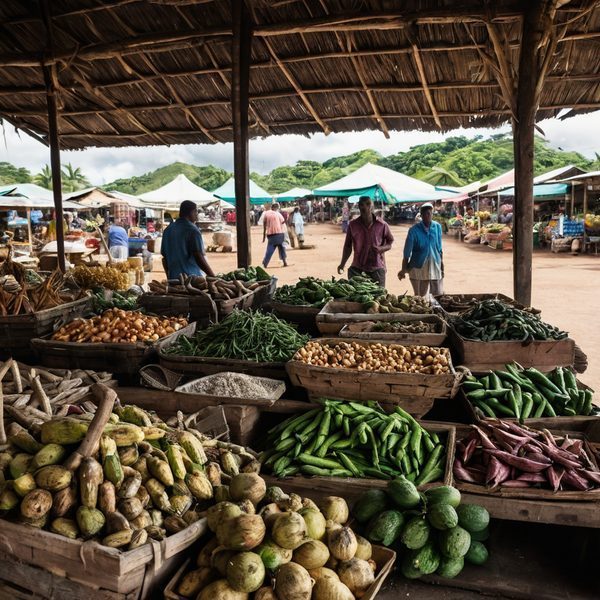
Rising fuel costs are set to push up the price of vegetables at the Seaqaqa market outside Labasa, vendors warned, as higher transport bills squeeze farmers and reduce the frequency of produce deliveries. Market seller Tulai Dituraga said the knock-on effects are already being felt by stallholders and shoppers, and that some staple root crops and leafy vegetables will likely become more expensive in the weeks ahead.
“The increase in fuel prices has really affected us,” Dituraga said. “Farmers are paying more for diesel and petrol, and this is already impacting how often they can bring their produce to the market. To hire vehicles to come to the market is expensive.” She said the additional costs for transporting goods from rural farms will, sooner or later, be passed on to consumers if fuel prices remain high.
Vendors at Seaqaqa — a key trading spot that serves Labasa and surrounding Vanua Levu communities — reported customers had begun to notice small price increases compared with previous weeks. Dituraga singled out staples such as dalo, cassava and bele as items likely to show gradual rises, noting that reduced delivery frequency can tighten supply and push upward pressure on prices even before vendors fully adjust their margins.
Stallholders said they are trying to strike a careful balance between staying in business and keeping food affordable. “We need to increase our prices to make a profit,” Dituraga said, but added that most sellers are reluctant to raise rates sharply for fear of losing customers. For now, she said vendors will continue to monitor the situation and make incremental price changes rather than abrupt hikes.
The local development reflects broader warnings from consumer authorities that increases in global oil prices tend to flow through to domestic fuel costs and then to other sectors, including food. Fiji imports all of its fuel, which can make transport-dependent supply chains vulnerable to international price shocks. When fuel costs rise, smallholder farmers who rely on hired vehicles to bring produce to markets are often among the first affected.
Shoppers and market operators will be watching fuel price movements closely in the coming days and weeks. If transport expenses remain elevated, vendors say the small price changes already visible among some sellers could become more widespread, particularly for bulky or low-margin crops that are costly to move. For now, Seaqaqa’s vendors are keeping adjustments cautious, aiming to preserve both livelihoods and local access to fresh produce.
Leave a comment