Former cabinet minister Mereseini Rakuita told a BBC Media Action training on gender sensitivity in Suva that the barriers holding women back from political leadership are not just legal or procedural, but woven into the everyday social systems that shape influence and decision-making. “Invisible systems work against women because they were built by men for men,” Rakuita said, warning that unless those systems are corrected, women will keep facing the same obstacles as Fiji approaches the 2026 election.
Rakuita singled out the social spaces where political relationships are forged as particularly exclusionary. She described late-night community visits and informal gatherings — the places where trust is built and deals are often struck — as effectively off-limits to many women. “The late night visits to communities are not OK for women to be doing, especially not on their own,” she told the panel, stressing that expectations around mobility and safety cut women out of key networking opportunities.
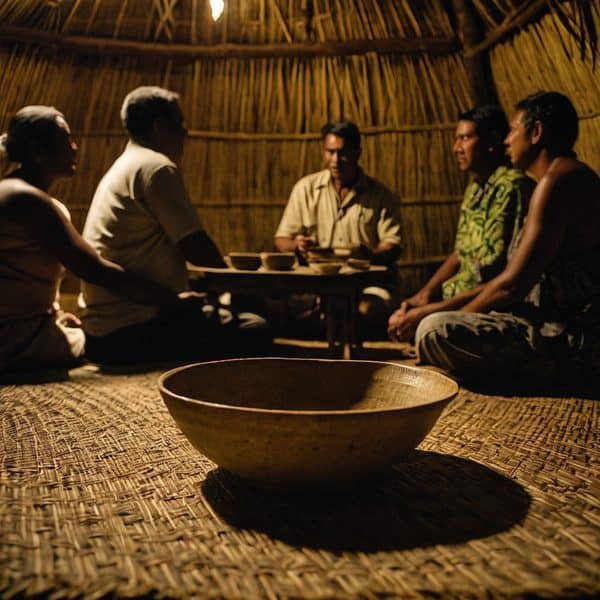
Kava sessions, Rakuita said, remain central to political networking but are frequently inhospitable to women. She offered a personal example to underline the point: although she disliked kava before entering politics, she learned to drink it to connect with male colleagues because that is where decision-making power concentrated. “I was a woman who had to take on kava. I hated kava before politics, but going into that field I had to find a way to connect with men because I knew that’s where decision-making power came,” she said.
Her remarks at the BBC Media Action event add concrete cultural detail to an ongoing conversation about women’s underrepresentation in Fijian politics. Activists and women’s groups have repeatedly raised concerns that, even as women enter male-dominated professions, political leadership remains out of reach. Earlier coverage from women’s advocates highlighted the broader problem of inadequate representation in parliament; Rakuita’s intervention pinpoints how everyday cultural practices reinforce those disparities.
Rakuita argued that the burden too often falls on women to adapt to male-centered norms rather than on institutions to change. “Unless and until we fix the underlying systems, correct it, make it truly equal, women will keep going through these hoops,” she said, framing systemic reform as essential if female political participation is to be more than token. Her comments framed the 2026 election as a critical juncture — a point at which both cultural norms and formal systems will shape whether progress accelerates or stalls.
The BBC Media Action training focused on gender sensitivity, bringing together voices from across public life to discuss practical barriers women face in politics and media. Rakuita’s testimony underscores a recurring theme from advocates: tackling representation requires addressing invisible rules of engagement as much as changing laws or quotas. Without shifts in how political life is organised — the times, places and behaviours that convey influence — women will continue to be compelled to leave their comfort zones simply to participate.
Leave a comment